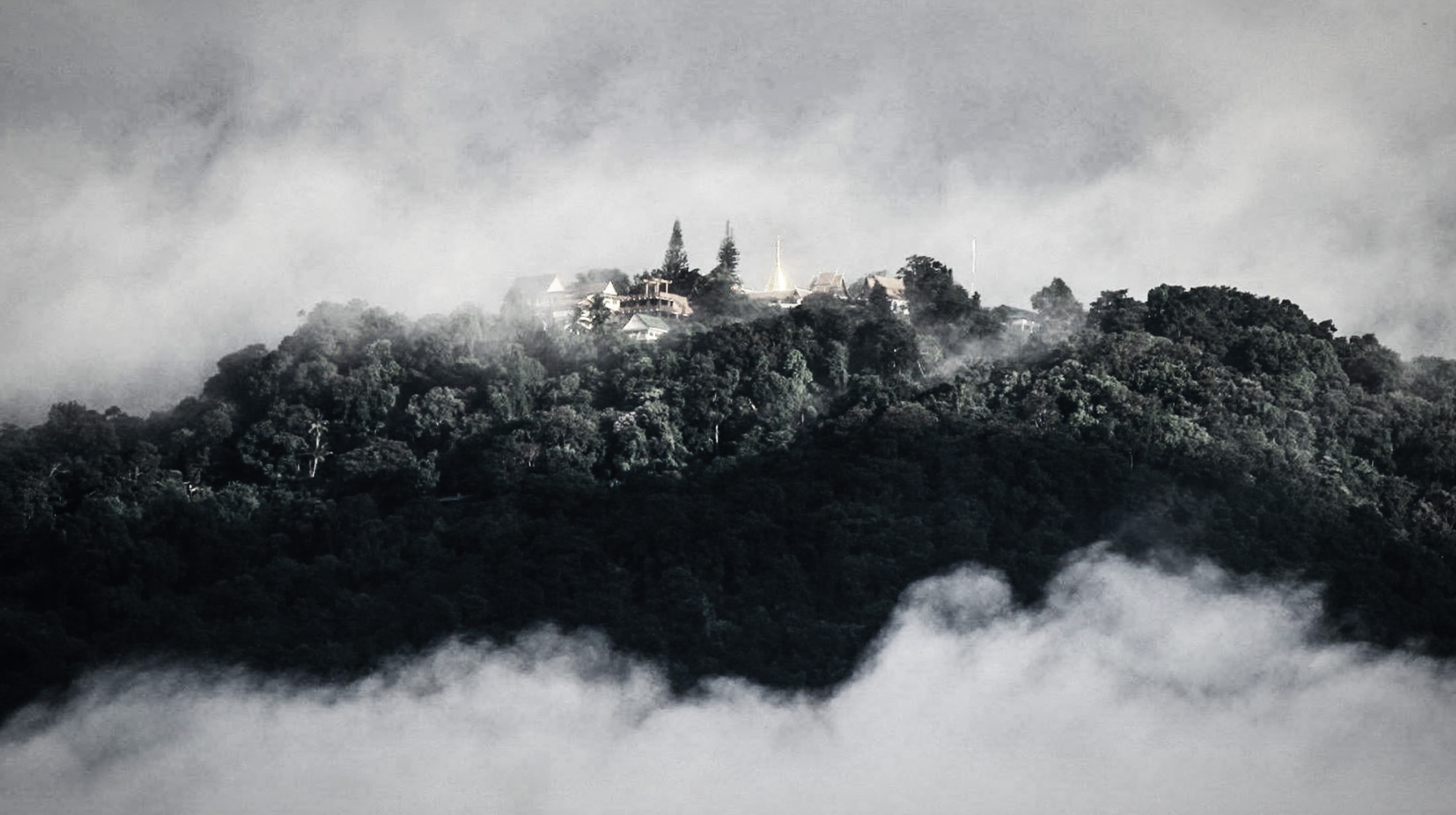
Doi Suthep in the mist
A Local's Complete Guide

CHIANG
MAI

The North Doesn't Perform. It Waits.

01 . Introduction

The North Moves
Differently.
So Will You.

Chiang Mai is already sitting there when you arrive. Unhurried. Unbothered. A cup of kafae boran cooling on the table, Doi Suthep keeping quiet watch from the west like it has for seven centuries. It doesn’t rush out to meet you. It doesn’t perform. It simply is — and waits, with the particular patience of something that has outlasted empires, to see if you’re worth knowing.

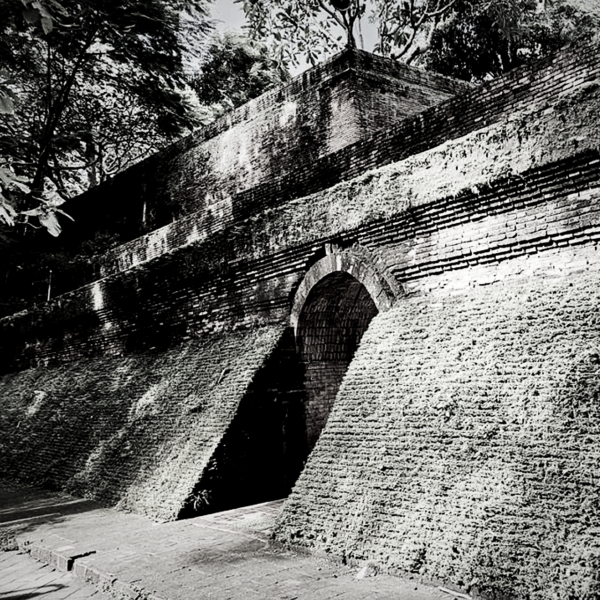
That founding confidence never quite left. You feel it in the way the old city walls still hold their corners. In the way locals speak Northern Thai — Kham Mueang — like a quiet declaration of identity. In the way a 700-year-old temple sits between a coffee shop and a noodle stall and nobody thinks that’s remarkable. Because here, that’s just Tuesday.

The Old City has sat inside its moat since 1296 — not as a relic, but as a living centre of gravity that the rest of the city orbits without question. Seven centuries of wats, markets, alms routes, and morning fog. Still turning. Still unhurried.

Doi Suthep doesn’t overlook Chiang Mai. It watches over it. There’s a difference — and the city has always known which one it is.

It has the soul of an ancient kingdom, the warmth of a Northern people who never needed to announce it, and the pace of somewhere that decided long ago that rushing is for other people.

It has been performing, beautifully, for itself — for 728 years.

We offer you one thing. Slow down.

02 · The City at a Glance

Chiang Mai
ByNumbers

Before you fall completely in love (which you will), here are the facts. Numbers first, feelings you already have.

1296

year Founded · AD

Older than most European capitals. Has opinions about it.

300+

Temples

That’s roughly one temple per 2,400 people. 

2,565

Doi Inthanon · M

Thailand’s highest point. the views are infinite, and your legs will file a formal complaint.

28-32

Temperature · °C

Cool, clear, perfect. The city at its most smug.

500+

Coffee Shops

Thailand’s specialty coffee capital. Your cortisol never stood a chance.

838+

Elephants

More elephants than traffic lights. Chiang Mai has its priorities perfectly sorted.

03 · Soul of Lanna

Quietly Confident. Ancient. Unhurried

There is a reason Chiang Mai feels different the moment you arrive. Not the mountains. Not the temples. Not even the air, which is genuinely better. It’s the people. And to understand the people, you need to understand one thing first.

"Khon Mueang identity is like a silk thread."

Soft and elegant to the touch. Warm in your hands. Easy to underestimate. Pull it and it holds — quietly, without drama, without announcement — with a tensile strength that has outlasted kingdoms, absorbed centuries, and remained, impossibly, entirely itself.

You will feel this within your first twenty-four hours. You just won’t have the words for it yet. We’re giving you the words now.

ᨩ᩠ᨿᨦᩉᩲ᩠ᨾ᩵
01

Gentle
Speech
& Manners

Kam Mueang  (คำเมือง) — the Northern dialect — is not just a language. It is a personality. Six tones, naturally melodic, it flows like water over river stones. Spend a day listening to it and you’ll notice something: raised voices are almost absent. Bluntness is considered not just rude but genuinely baffling — why would you say a hard thing harshly when you could say it gently, or better yet, let silence carry it? This is Kreng Jai — consideration for others so deep it shapes every interaction. The Khon Mueang won’t tell you you’re wrong. They won’t tell you the restaurant you’ve chosen is terrible. They will simply, warmly, suggest there might be somewhere better — and quietly ensure you end up there.

Deep
Hospitality

A merit-making ceremony. A wedding. A house-warming. A funeral. It doesn’t matter — the Khon Mueang response to all of them is the same: feed people, look after people, show up. The spirit of mutual aid here isn’t cultural programming. It’s something closer to instinct.
นํ้าใจ๋
02

You will experience this as a visitor in small moments you almost miss. The neighbour who appears with fruit you didn’t ask for. The temple caretaker who notices you’re confused and wordlessly walks you to where you need to be. The guesthouse owner who remembers, three days later, that you mentioned you liked khao soi — and has found you the best bowl in the neighbourhood. This is not the tourism industry being professional. This is Khon Mueang being themselves. 

03

The Original
Slow Life

Before slow living became an Instagram aesthetic, Chiang Mai was already living it — and calling it something simpler: “จ้าๆ ม่วนๆ” Slowly, but happily. Enjoyable and comfortable. Peace over competition. Presence over productivity. You will feel rushed here by absolutely nothing. The morning market doesn’t hustle you. The temple doesn’t have a time limit. The coffee shop — and there are magnificent ones — doesn’t need your table back. The city operates at a pace that isn’t lazy. It’s considered. Every unhurried moment a quiet argument that this, right here, is enough. Give it two days and your shoulders drop. Give it four and you start wondering, uncomfortably, what exactly you were rushing toward back home.

Language

Kham Mueang — Our Own Language

Kham Mueang is not a northern Thai dialect. It is a language with its own script — Tua Mueang — its own tones, its own literature, and 700 years of continuous use. When an elderly Chiang Mai local speaks to you in Kham Mueang, you are hearing something that survived annexation, colonisation attempts, and the entire 20th century. That deserves a moment of recognition.

Architecture

Lanna Temples Face The Mountain

Lanna temple architecture is unmistakable once you know what to look for: the low, sweeping multi-tiered rooflines that almost touch the ground; the Naga serpent balustrades that guard every staircase; the gilded Kalae gable carvings shaped like crossed buffalo horns; the Wihan hall that faces east toward Doi Suthep, not toward the river, not toward Bangkok. Every design choice is intentional. Every one of them points home.

Cuisine

Lanna Food Is A Separate Cuisine

Lanna food is not “Thai food but spicier.” It carries Shan, Burmese, Yunnan Chinese, and indigenous hill tribe influences that central Thai food doesn’t have. Khao Soi is not curry noodles — it has a specific Burmese-Shan origin story. Sai Oua is not pork sausage — it is a Lanna herbal preparation with its own spice profile. Nam Prik Noom is not dipping sauce — it is a cultural institution. These dishes have grandmothers attached to them.

"It feels like home.
Even if you've never been before.
Especially if you've never been before."
Hataitip · Native Perspective
Chiang Mai Neighbourhoods — Thaitop
04 · Neighbourhoods

728 years old.
Ten personalities.
Zero apologies.

Chiang Mai isn't a place you visit. It's a person you recognise. And like any deeply complex person, you don't experience all of them at once. You catch different dimensions depending on the time of day, the mood you arrived in, how long you stayed, whether you were paying attention.
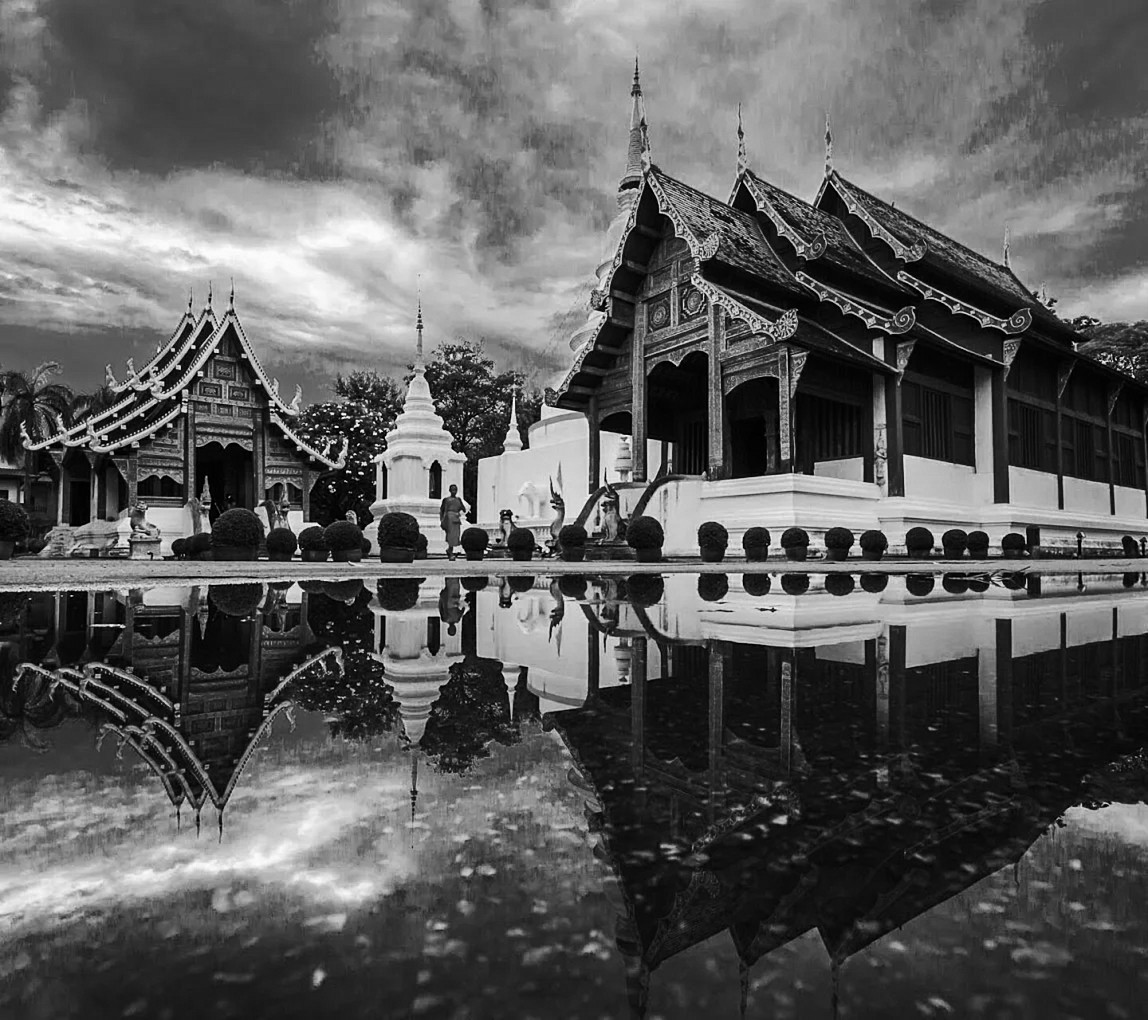
Old City 728 years of quiet magnificence.

Ever walked somewhere and felt the city exhale around you? That's the Old City — and it's been doing it since 1296. The moat wasn't built to keep people out — it was built to hold something precious in. And 728 years later, it's still working, which is more than can be said for most things built in the 13th century. Inside these ancient walls: temples so beautiful they make you feel personally underdressed, sois so quiet you can hear your own thoughts, and a particular quality of golden-hour light that Wat Phra Singh has been magnificent under since 1345 and isn't about to stop on your account. The Old City isn't trying to impress you. It's just been impressive for seven centuries. There's a difference.
Best For
Temple Devotees Spiritual Seekers First-Time Chiang Mai Visitors Nervous Systems Needing A Reset Dawn Photographers
One Thing Locals Do
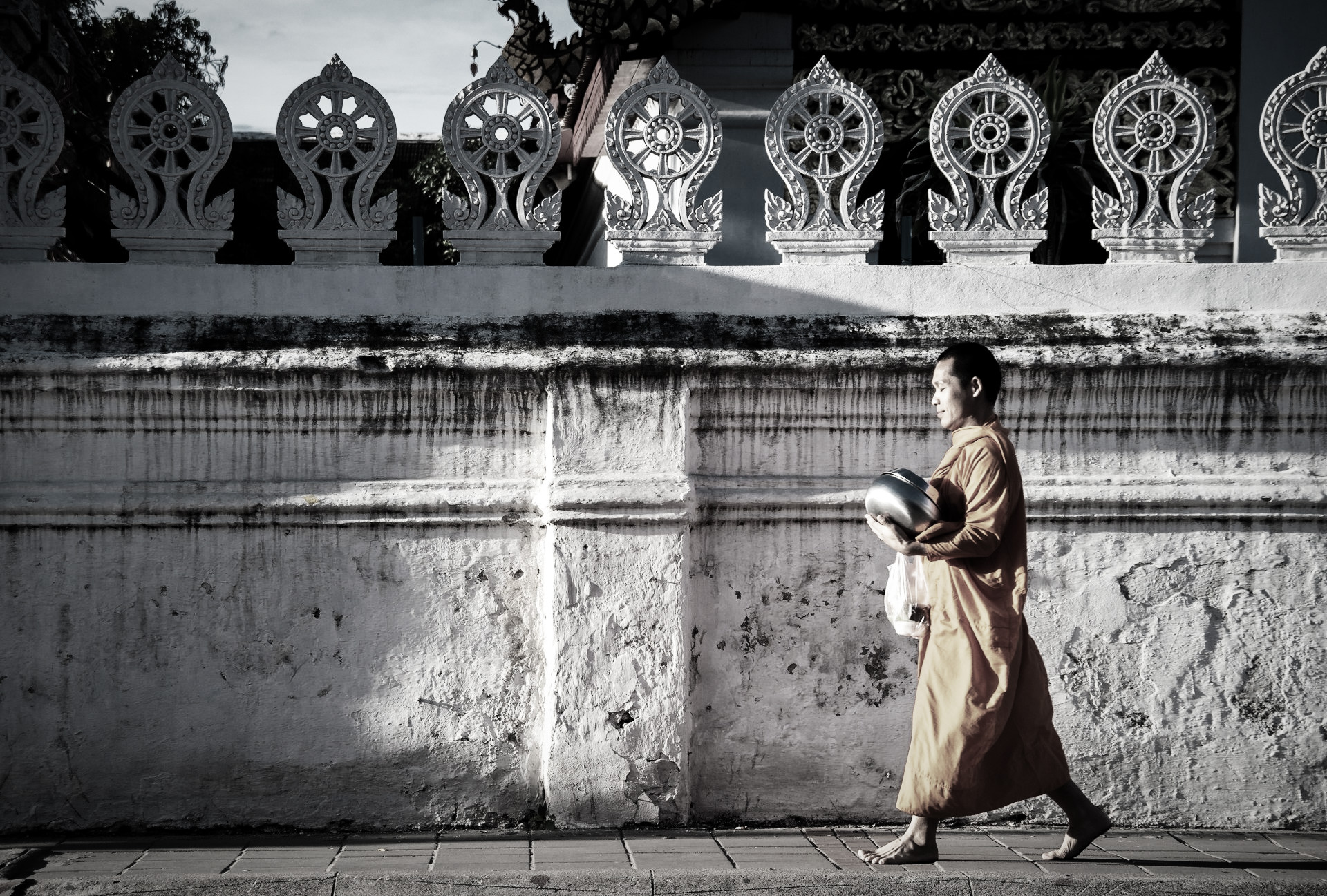
Walk the inner moat road at 6am — monks out doing their alms rounds, the light doing things that professional photographers will tell you can't be planned, and the city still entirely, completely itself before the tour groups arrive. We're talking the kind of silence that costs nothing and is worth everything. Gone by 8am. Set your alarm. Skip the temple entrance rush entirely — Wat Chedi Luang at dawn has the same five-hundred-year-old chedi, zero queues, and monks who actually live there making it feel like the living sacred place it is. Come for the temples. Stay because leaving at golden hour feels genuinely rude.
Don't Bother
Coming mid-morning on a Sunday expecting peace. The Sunday Walking Street transforms Wualai Road and the Old City into a glorious, gentle chaos — wonderful, but a different experience entirely. Also: renting a scooter to explore inside the moat walls. These sois are made for walking. The city reveals itself at foot speed, not wheel speed.
Old City Edges, Chiang Mai
Old City
Edges
Not quite inside. Not quite outside. Exactly right.

What happens at the edges is always more interesting than what happens in the middle. Four moat roads frame the Old City like a sentence nobody finishes reading — and that unfinished quality is exactly the point. Moon Muang hums with guesthouse energy and the particular camaraderie of travellers who've just discovered they love Chiang Mai. Wualai glitters quietly with silver workshops saving their drama for Saturday Walking Street. But the western and northern moat roads? Residential. Unhurried. Holding the best incidental encounters in Chiang Mai — the kind where you meant to walk somewhere specific and arrived somewhere better instead. Still inside the ancient city's gravitational pull, but already doing something slightly different with it. The Edges don't announce themselves. They reward people who actually look.
Best For
Curious Wanderers Accidental Discoverers Silver Craft Lovers Solo Travellers Anyone Who Finds The Middle Interesting
One Thing Locals Do
Walk the western moat road at dusk — residential, genuinely quiet, zero tourists, Chiang Mai completely unposed. The light on the moat water at that hour is the kind of thing you'll try to describe to people at home and realize halfway through that you can't. Then double back to Moon Muang for dinner at one of the family-run northern Thai restaurants that have been feeding the neighbourhood since before the guesthouses arrived — the ones with the laminated menus and no Instagram presence. Order the gaeng hung lay (the slow-braised Burmese-influenced pork curry that is essentially Chiang Mai in a bowl). You can thank us later.
Don't Bother
The souvenir shops on the eastern moat road — aggressive, overpriced, and selling the same elephant-print everything you'll find cheaper and better inside the actual markets. The Edges are best explored without a shopping list. Leave the agenda at the guesthouse.
Chang Pueak, Chiang Mai
Chang Pueak Hungry and honest and sees no conflict there.

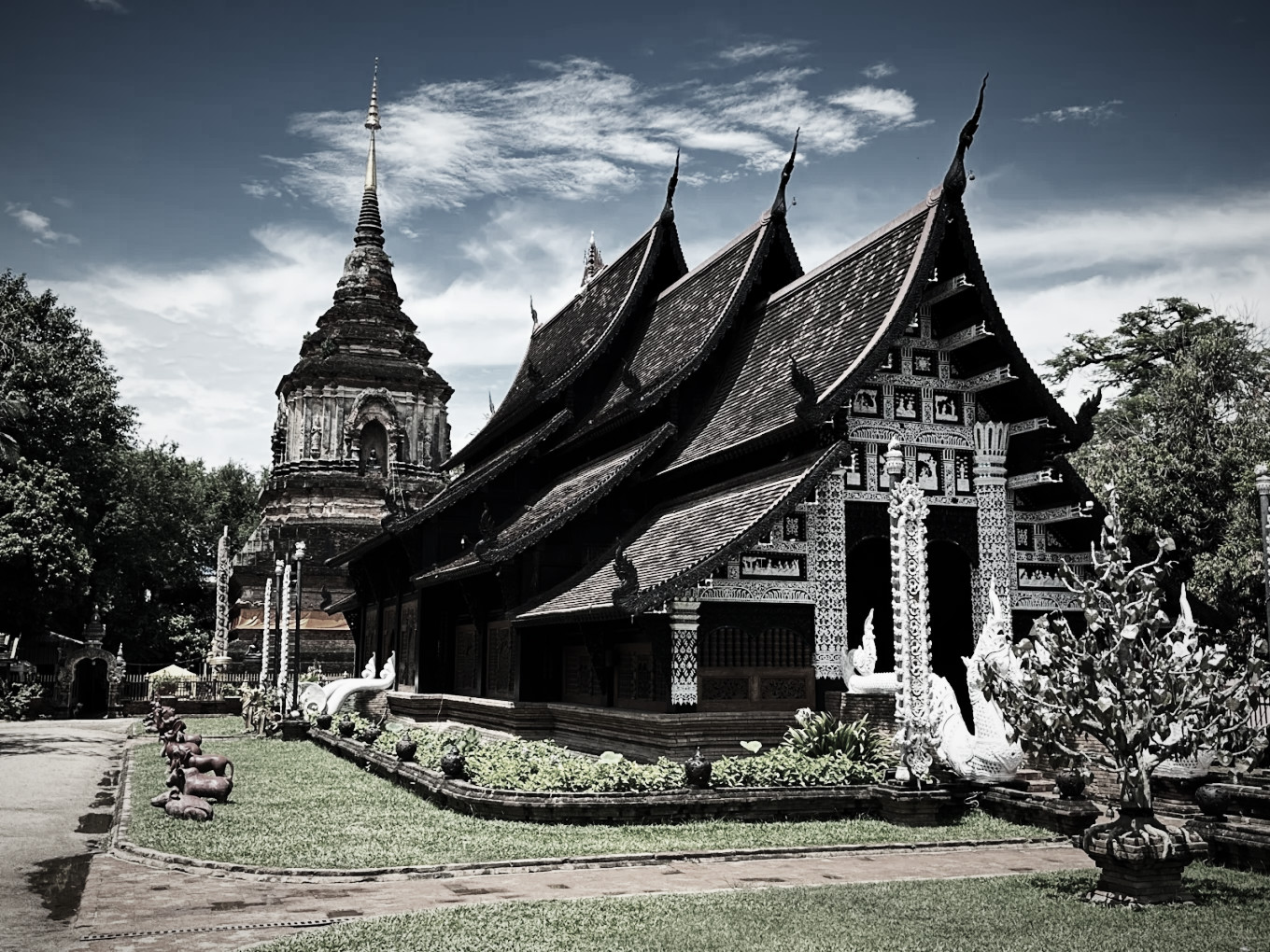
Name a neighbourhood that skipped the aesthetic era entirely and went straight to being genuinely excellent. We'll wait. Chang Pueak is exactly that — the northern gate that was once the royal coronation entrance (auspicious, ceremonial, the kind of gate kings walked through) is now where you stand taking photos before walking ten metres to queue for pork leg served by a woman in a cowboy hat who chops faster than you can say "one more portion please." That's Chang Pueak in one sentence — 700 years of Lanna heritage and the best street food in the city existing side by side without either one finding it remotely unusual. Wat Lok Moli sits nearby in carved teak silence, magnificently unbothered by the wok smoke drifting its way. We love this neighbourhood precisely because it never decided what it was supposed to be.
Best For
Street Food Obsessives Market Lovers Northern Thailand Food Hunters Mountain-Bound Adventurers History That Comes With Dinner
One Thing Locals Do
After sunset, Chang Pueak ignites. But arrive at 5pm — before the queue becomes a life commitment.
  • Start with Khun Ratchanee, the legendary Cowboy Hat Lady who has occupied the same spot for over twenty years. Her khao kha moo — slow-braised pork leg on rice with pickled mustard greens and a soft-boiled egg — is the kind of dish that makes you understand why people move to Chiang Mai and never leave. One plate is 60 baht. You will order two.
  • Follow with Suki Chang Pueak's smoky, fiery wok hei that justifies every minute of the queue. End with Bua Loy Jay Suay's coconut milk softness as a final, gentle full stop. In that exact order. Every time.
  • Don't Bother
    Coming at lunch expecting the full street food experience — Chang Pueak is an evening neighbourhood. It wakes up around 4pm and hits its stride by 6pm. Also: skipping Wat Lok Molibecause it's not on anyone's "top temples" list. That's exactly why you should go. Beautiful, largely empty, and has been standing quietly magnificent since the 15th century.
    Santitham, Chiang Mai
    Santitham Completely unposed.

    Want to know a secret? The best food in Chiang Mai isn't in a restaurant with a menu in English. No performance here. No curated charm, no temples dressed up for visitors, no night market designed with your camera in mind. Santitham is where people who actually live in Chiang Mai actually live — and Thanin Market is their refrigerator. Literally. While tourists queue for overpriced smoothie bowls in the Old City, locals are here buying pockets of khao soi still warm from the morning cook, sai oua straight off the grill, and nam prik noom (roasted green chilli dip — fiery, fragrant, completely addictive) that costs less than your coffee did this morning. Zero English signage. Zero tourist markup. One hundred percent Chiang Mai being completely, unapologetically itself. We grew up eating here. It's magnificent.
    Best For
    Real-Life Chasers Market Lovers Northern Food Hunters Long-Stay Visitors Allergic To Eating For The Algorithm
    One Thing Locals Do
    Thanin Market, 7am grab Moo Ping (หมูปิ้ง) - grilled pork and Khao Niew (ข้าวเหนียว) - Sticky Rice (the vendor wraps it in a banana leaf bag, the most elegant takeaway packaging ever invented) and eat standing up like everyone else. Then spend ten minutes completely lost in the produce section, where things are labelled only in Thai and the vendors will help you identify anything you point at with the patience of people who genuinely love their ingredients. This is how we shop. This is how we eat. It costs almost nothing and it will be the most honest meal of your entire trip.
    Don't Bother
    The café strip on the southern edge of Santitham — it's fine, but it's Nimman-lite, and if you're in Santitham you're here for the real thing. Also: don't arrive after 9am expecting the full market experience. Thanin wakes up early and means it. The best vendors sell out.
    Warorot and Ping River, Chiang Mai
    Warorot Feeding everyone since before anyone can remember.

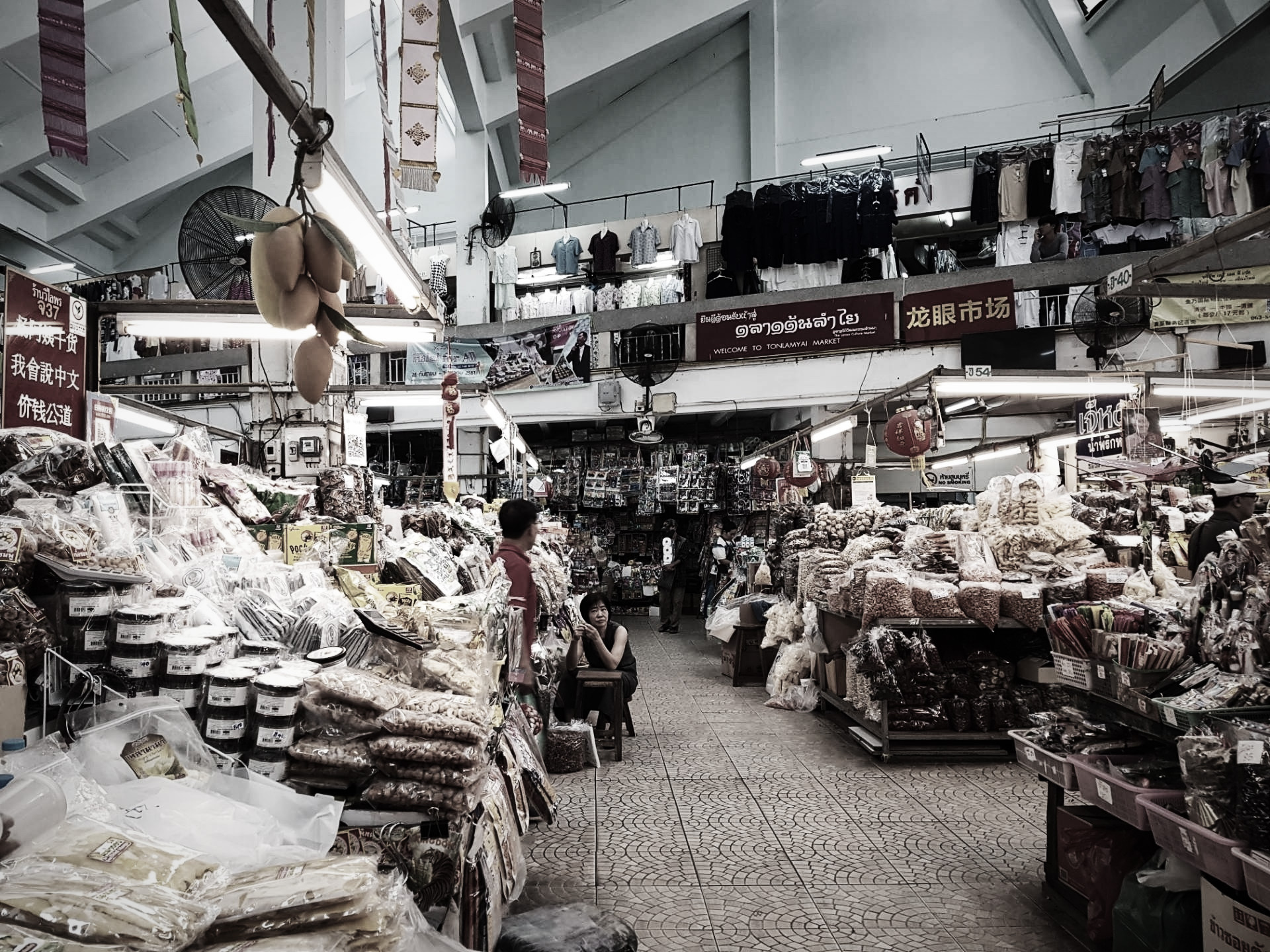
    If Thanin Market is Chiang Mai's refrigerator, Kad Luang is the entire warehouse — and it has been since before your grandmother's grandmother was bargaining here. The oldest, largest market in the North isn't trying to be charming. It simply IS the soul of the city, laid out across an entire city block of organised, magnificent chaos — sai oua made fresh daily, wholesale dried fruits stacked floor to ceiling, medicinal herbs sold by vendors who know exactly what ails you (and will tell you, unsolicited, with enormous warmth). Outside, the Ping River flower market runs 24 hours because beauty, apparently, doesn't keep office hours. The whole area hums at a frequency that's impossible to fake: this is Chiang Mai as a living, breathing organism, not a tourist attraction.
    Best For
    Market Obsessives Textile & Craft Hunters Souvenir Seekers Who Hate Tourist Shops Photographers Anyone Wanting To See Where Chiang Mai Shops
    One Thing Locals Do
    Cut through Kad Luang and find Trok Lao Zhou (ตรอกเหลาโจ้) — Chiang Mai's most overlooked alley, running quietly along Kuang Men Road between Chang Moi and Tha Phae. Bring one giant canvas tote bag. You'll need it. — selling Hmong embroidery and indigenous hill tribe textiles at prices that feel almost guilty. This is where Chiang Mai's designers quietly shop. Real handwork, real provenance, zero tourist markup. When your legs give out — find the big red sign Lao Zhou noodle shop tucked in the quietest corner. Tom Yum broth piping hot, Hakka-style noodles, house-made fishballs with decades of mastery in every bounce. Comfort so specific it feels personal.
    Don't Bother
    The ground floor of Kad Luang closest to the main entrance — it's the tourist-facing layer with slightly higher prices and slightly lower authenticity. Go deeper. Go upstairs. The second floor fabric section alone is worth the trip. The market rewards exploration, not a quick sweep of the entrance stalls.
    Tha Phae, Chiang Mai
    Tha Phae Everyone finds their way back to eventually.

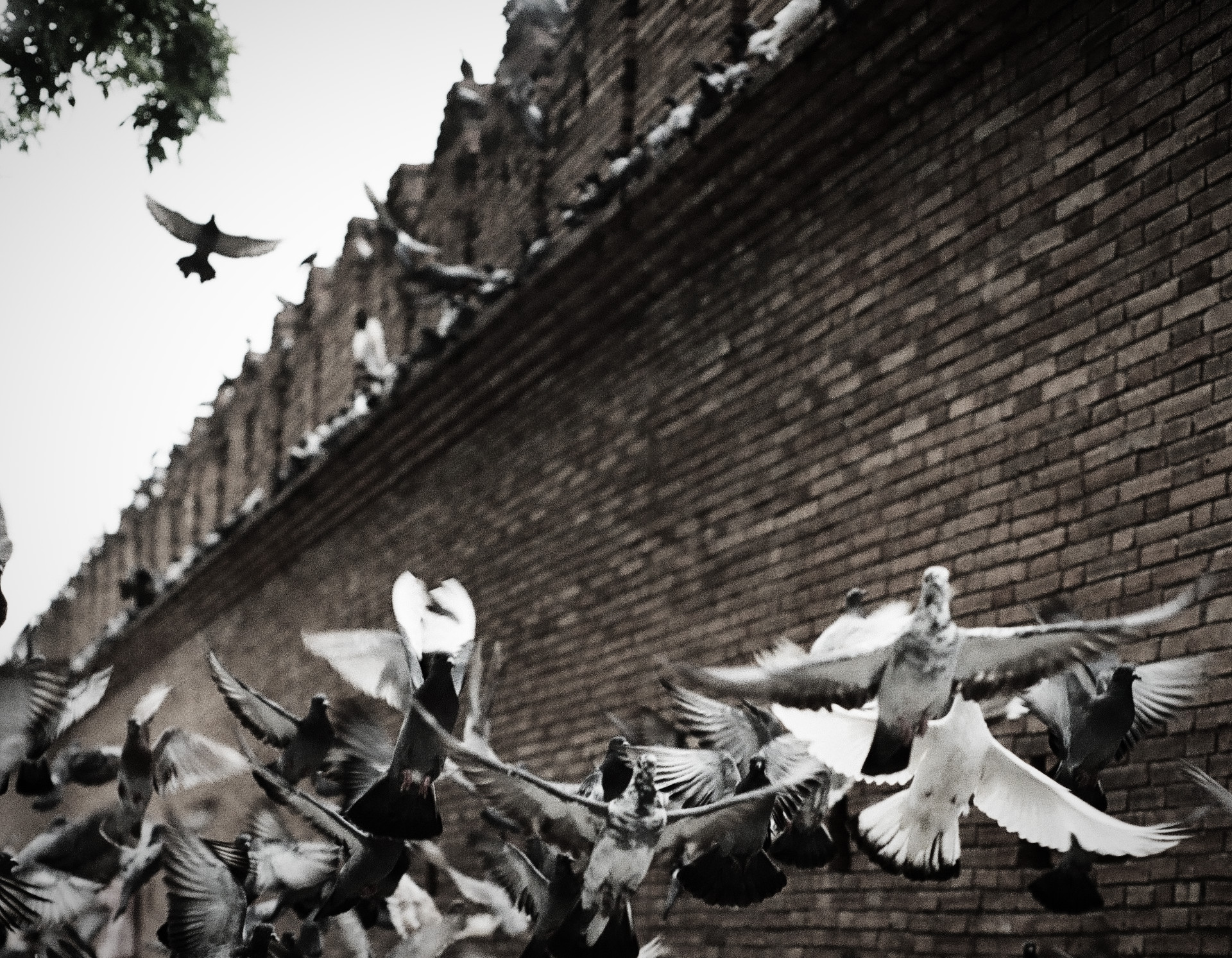
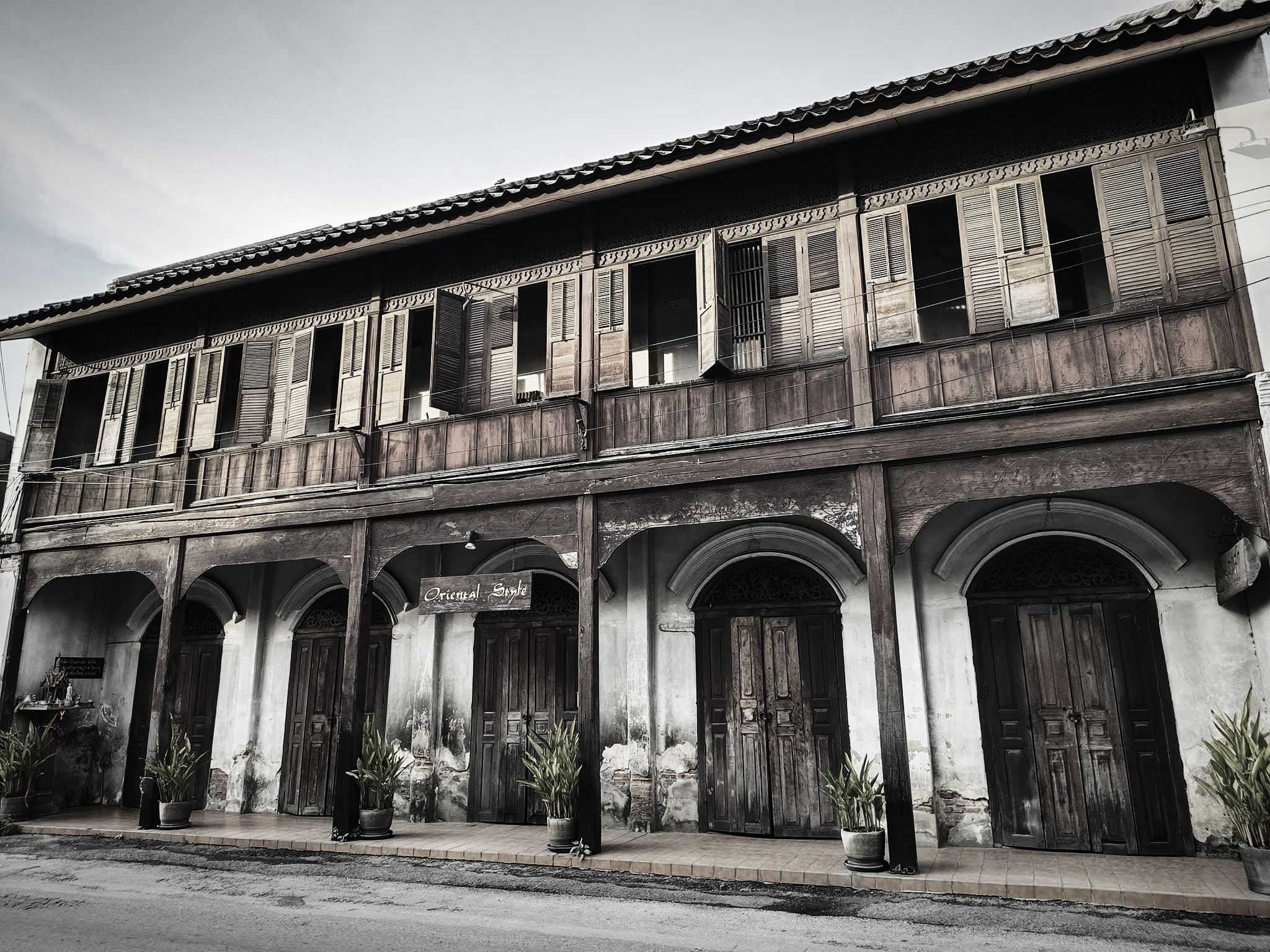
    You know how every city has that one place where all roads seem to lead? For Chiang Mai, it's here. The orange brick Tha Phae Gate has been welcoming people since the 14th century and hasn't once made anyone feel unwelcome — which is a remarkable achievement for a 700-year-old wall. By morning it's soft light and pigeons performing their choreographed chaos for early photographers. By Sunday evening it's walking street markets stretching kilometres through temple-lined roads with handmade crafts, contemporary Lanna fashion, and rare local snacks that don't exist anywhere else in the city. In between? Hidden bookshops, old building cafés, and Chang Moi Road quietly connecting everything to Kad Luang like a secret the map doesn't properly explain. This is where Chiang Mai is most itself: completely at ease with being seven centuries old and somehow still entirely current.
    Best For
    First Timers Sunday Market Devotees Slow Life Seekers Walkable City Lovers People Who Need A Reliable Place To Start
    One Thing Locals Do
    Walk Tha Phae → Chang Moi → Kad Luang on foot, no map, no agenda. This is the best unscripted walking tour in Chiang Mai and it's completely free. The route takes you past heritage shophouses, tiny shrines tucked between buildings like afterthoughts, family noodle shops with no name and extraordinary broth, and the occasional architectural surprise that makes you stop mid-stride. Allow two hours minimum. You will take longer. Then come back on Sunday evening for the Walking Street — the section between Tha Phae Gate and Wat Phra Singh transforms into 1.5km of entirely walkable, genuinely excellent market. Bring cash. Wear comfortable shoes. Eat everything.
    Don't Bother
    The Tha Phae Gate area on a Monday — the Sunday Walking Street aftermath leaves the road quieter and slightly emptier than usual. Tuesday onwards it finds its rhythm again. Also: the tourist-facing massage shops immediately around the gate. Walk two sois in any direction for the same quality at half the price with actual Thai masseurs rather than the tourist rate.
    Nakhon Ping, Chiang Mai
    Nakhon Ping
    Riverside
    Where elegance never really left.

    Imagine a neighbourhood that was once the beating economic heart of the entire North — and instead of becoming a ghost of itself, simply became more beautiful. Once the riverfront quarter where Scorpion-Tailed Boats carried goods upriver from Bangkok and Chinese, Burmese, and European merchants built their lives (and their houses) side by side, Wat Gate wears its history like a perfectly preserved teak house. Which is, conveniently, exactly what it has. Century-old colonial architecture now houses luxury boutique hotels and riverside restaurants where the menus are long and the river views are longer. A community museum inside Wat Ket Karam keeps rare vintage photographs and antique textiles alive with the kind of care that only people who genuinely love a place can manage. The clock here doesn't stop — it just moves at a pace that feels, frankly, more civilised than everywhere else.
    Best For
    Architecture Lovers History Devotees Romantic Travellers Slow Life Seekers Photographers Who Wake Up Early
    One Thing Locals Do
    Stand on Chansam Bridge at late afternoon — Doi Suthep behind you glowing in the haze, the river gold and slow below you, not a single thing required of you. Then walk the riverside road north past the old teak houses, noting the architectural details — the carved gable ends, the raised foundations, the gardens that look like someone has been tending them since the Lanna period and simply never stopped. Visit the Wat Ket Karam community museum — it's free, rarely crowded, and contains photographs of this neighbourhood from the early 1900s that will make you understand exactly what survived and exactly what was saved.
    Don't Bother
    The riverside restaurants right on the main road — they have the views but charge significantly for the privilege of having them. Walk one street back and find the same river atmosphere, local prices, and less performance. Nakhon Ping rewards the people who look slightly past the obvious.
    Nimman, Chiang Mai
    Nimman Young, caffeinated, curated everything.

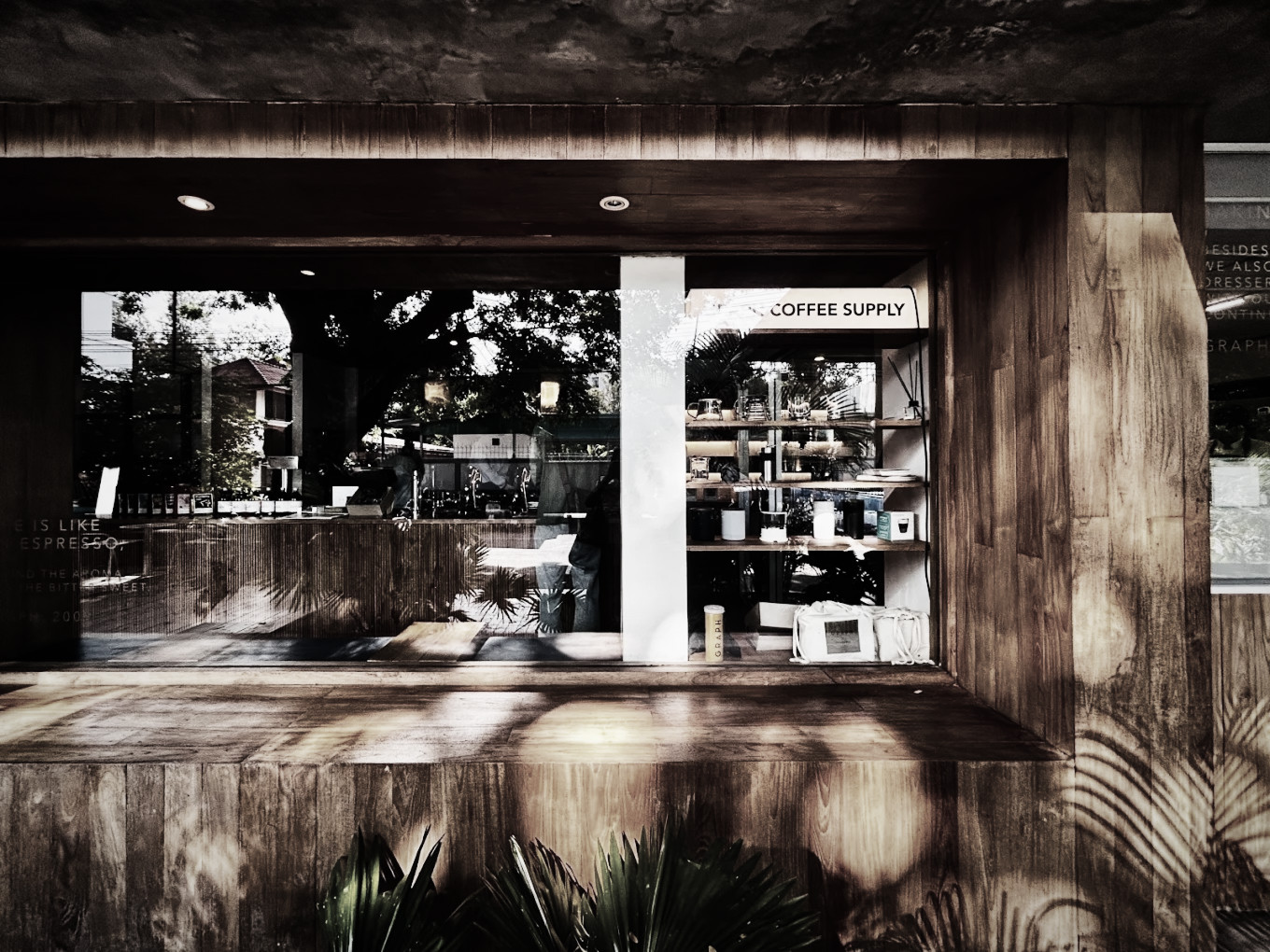
    Nimman is Chiang Mai's most photogenic mood — and it knows it. Every odd-numbered soi hides a café with a world-class barista, a minimalist interior that makes your latte look like contemporary art, and a playlist so good you'll accidentally spend three hours working on your laptop. Every even-numbered soi quietly exhales into boutique hotels and residential calm that feels like a different city entirely. One Nimman does lifestyle mall better than most cities manage. MAYA's rooftop at sunset serves Doi Suthep views alongside your cocktail, completely free of charge, purely out of generosity. It's Chiang Mai's answer to Bangkok's Thonglor — same polished energy, significantly better manners, and a blood pressure reading that won't make your doctor concerned.
    Best For
    Digital Nomads Design Lovers Coffee Connoisseurs Night Owls Anyone Who Needs Doi Suthep Views With Their Cocktail
    One Thing Locals Do
    Odd sois for food and coffee. Even sois for quiet. Never mix them up on a Saturday night. The odd-numbered sois (1, 3, 5, 7, 9, 11, 13, 17) are where the energy lives — each one with a different personality but the same consistent quality. The local rule: start your Nimman day at a café on Soi 9 (the highest concentration of excellent third-wave coffee per square metre of any soi in Thailand, we're fairly certain), eat lunch somewhere on Soi 13 at one of the Thai restaurants that hasn't raised its prices despite being surrounded by the new Nimman, and end at MAYA rooftop for the 6pm golden hour over Doi Suthep. Free. Perfect. Unmissable.
    Don't Bother
    Coming to Nimman looking for "authentic" Chiang Mai in the locals-only sense. That's not what Nimman is and it's not pretending to be. It's Chiang Mai's polished, internationalist self — and it does that extremely well. Expecting it to be Santitham is like going to a jazz bar and complaining there's no heavy metal.
    Wualai, Chiang Mai
    Wualai Ancestral skill in my hands. Still passing it forward.

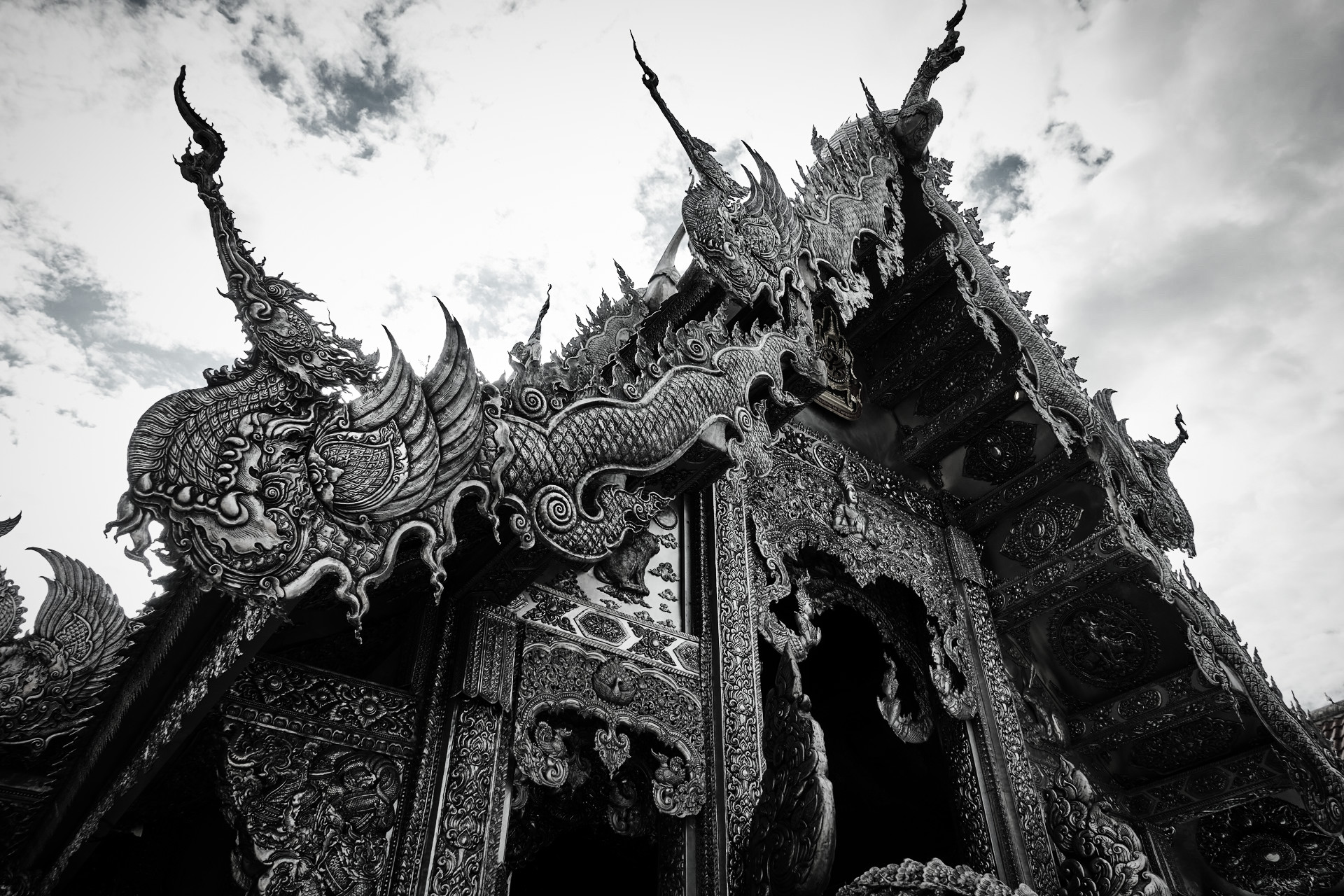
    What does a neighbourhood sound like when it's been doing the same thing — and doing it beautifully — for 700 years? Walk Wualai Road on any weekday and you'll hear it before you see it: the rhythmic clink-clink of silver being worked by hand inside shophouses that decided, collectively, never to change. This is Chiang Mai's most specialised mood — unhurried, deeply skilled, and completely unbothered by trends. Wat Sri Suphan is the crown jewel — an entire ordination hall built from silver, carved by master artisans into something so breathtakingly detailed it looks less like architecture and more like an argument for human patience. At night it glows spectacularly, like Chiang Mai's most understatedly dramatic flex. The Lanna Kingdom decided craftsmanship was worth passing down through generations and simply never stopped passing it down. The Saturday Walking Street is narrower than Tha Phae, more intimate, more honest — the person selling you something also made it with their own hands, which changes everything about the transaction.
    Best For
    Craft & Artisan Lovers Cultural Enthusiasts Slow Travellers Saturday Market Devotees Anyone Who Believes Beautiful Things Should Be Made By Hand
    One Thing Locals Do
    Visit Wat Sri Suphan at dusk on a weekday — the silver glowing in the last light, zero crowds, entirely yours. Then book a silver embossing workshop at one of the Wualai Road shops (most offer 1–2 hour sessions, no experience required, everything provided). Your hands will remember what they made long after your phone photos have blurred into one. This is not a tourist activity — this is the skill that has been keeping this neighbourhood alive for centuries, and the artisans genuinely want to pass it on. The Saturday Walking Street starts at 4pm and runs until 11pm — arrive at 4:30 before the crowds, walk the whole length, and come back to your favourite stall at 9pm when the energy peaks and the vendors are properly warmed up.
    Don't Bother
    Buying silver without asking where it was made. Wualai Road silver is genuinely handcrafted here, by these artisans, in these shophouses. Some of the mass-produced "silver" sold in the tourist night bazaar comes from factories in other provinces. The difference in quality is visible. The difference in meaning is everything. Ask. The good vendors love being asked.
    Wat Suan DOk, Suthep Foothills and CMU, Chiang Mai
    CMU
    Suthep Foothills
    Forgot to be impressive — and became it anyway.

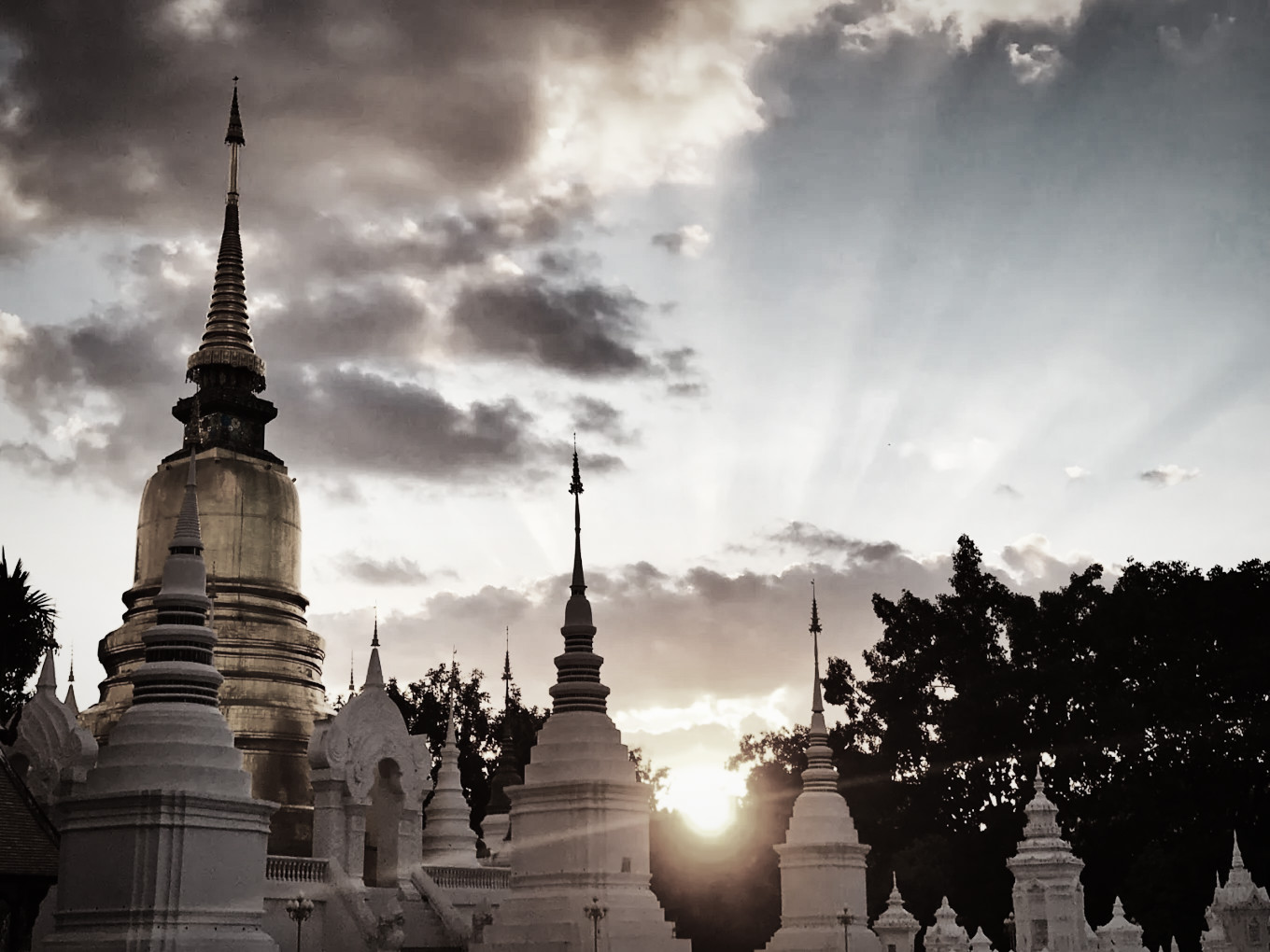
    Here's the thing nobody in a travel guide ever tells you about the Na Mor หน้ามอ / Lang Mor หลังมอ area: this is where Chiang Mai actually laughs. Not the polished, curated laugh of Nimman's cocktail bars — the real one. The loud, unhurried, eating-on-a-plastic-stool-at-9pm-with-nowhere-to-be laugh of a city that knows exactly what matters and has decided it's definitely the food. Na Mor (the front CMU gate) runs on student energy and cheerful chaos — night markets stretching from the university entrance to Malin Plaza, fashion at prices that make you question every purchase you've ever made anywhere else. Lang Mor (the back gate) is quieter, shadier, warmer — Suthep Road transformed every evening into a street food corridor so good that if you visit Chiang Mai and skip it, we're not sure you were really here. And then there's Doi Suthep: the mountain every CMU student stops seeing after three weeks, until a friend visits and stands at Ang Kaew Reservoir and says "wait — you get to look at THAT every day?" Extremely on brand.
    Best For
    Budget Travellers Students & Long Stays Street Food Obsessives Nature Seekers Chiang Mai Without The Performance
    One Thing Locals Do
    Ang Kaew Reservoir, 4:30pm — Doi Suthep glowing behind you, students and their dogs everywhere, the light doing that specific golden thing it does in Chiang Mai at late afternoon that exists nowhere else on earth. Free. Perfect. Completely unmissable. Then descend to Lang Mor for dinner: the back gate street food corridor runs from around 5pm, and the vendors here are cooking for CMU students who know exactly what's good and exactly what should cost 40 baht, not 200. After that, find Wat Umong hidden in the forest behind the university — ancient tunnels beneath a moss-covered pagoda, murals so old they've started returning to the earth, a silence so complete it feels almost illicit this close to a university canteen. Chiang Mai has been hiding this temple in plain sight for centuries.
    Don't Bother
    Joining a group tour up to Doi Suthep from the tourist piers — drive yourself (or grab a songthaew from Chiang Mai Gate for 50 baht) and go at 6am before the tour buses arrive. Wat Phra That Doi Suthep at dawn, with the valley below you in morning mist and monks chanting inside, is one of the genuinely transcendent experiences available in this part of the world. Don't dilute it with a group tour narration track.
    05 · Beyond the city

    You Came This Far.
    Go A Little Further.

    Step outside the moat. The real North is waiting.

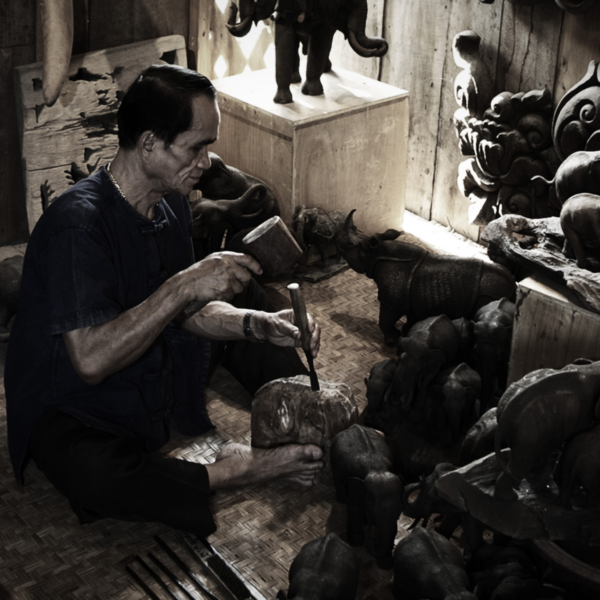
    Wood craving at Ban Tha wai

    HANG DONG

    The District That Exports Beauty And Keeps The Best Bits For Itself.

    Baan Tawai's living museum of woodcraft sits at the heart of a district that rewards the curious — master carvers working live, valleys full of design cafés nobody advertised. This is where Chiang Mai's artists and locals actually choose to live. Hang Dong rewards the curious. It has absolutely no interest in the casual.
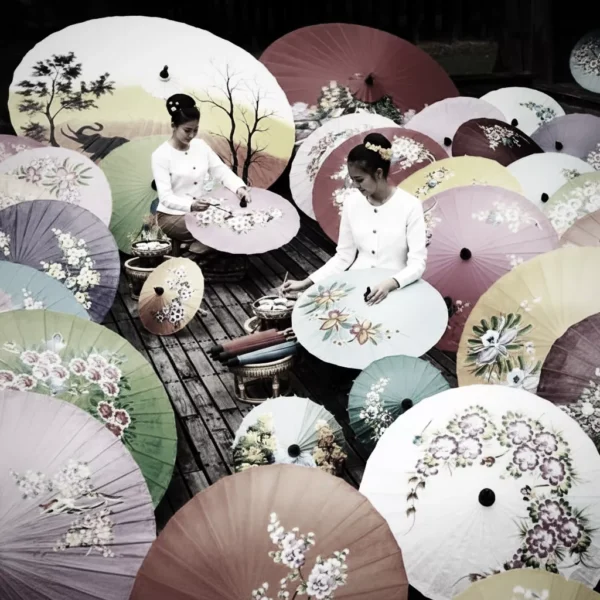
    Umbrella painting at Bo Sang

    San Kamphaeng

    Every workshop on this street is a history lesson that lets you take something home.

    Head east on the San Kamphaeng road and watch Chiang Mai's creative soul reveal itself workshop by workshop. Silk being threaded. Umbrellas being painted. Silver being shaped by hands that learned from hands that learned from hands. This is Lanna craftsmanship in its natural habitat — unhurried, precise, quietly extraordinary.
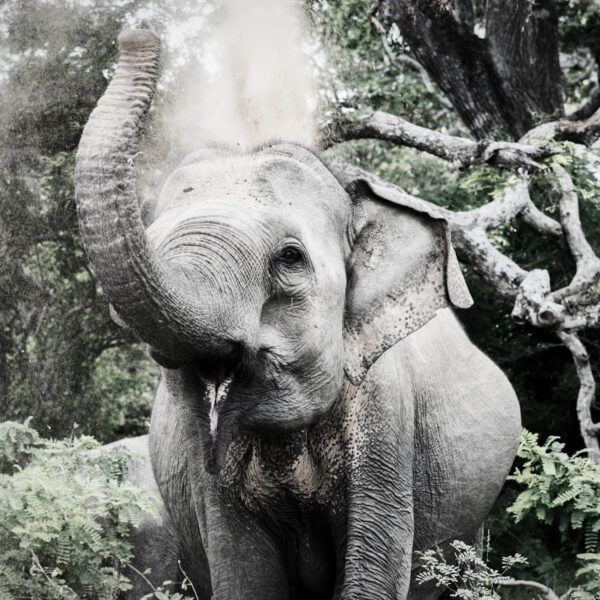
    happy elephant being in his nature

    MAE RIM / MAE SA

    The valley. Nature. Elephants. The city breathing out.

    Mae Rim is where the city loosens its collar. Strawberry farms tumbling down hillsides, elephant sanctuaries where the elephants actually run the show, orchid gardens so absurdly beautiful they feel slightly illegal, and a valley so green it makes your eyes recalibrate.

    Book the ethical sanctuary visit → the ones worth your baht are the ones where you're not riding anything, you're just watching a very large, very content animal ignore you completely. That's the whole appeal.

    Come here when the city feels too much. It always works.
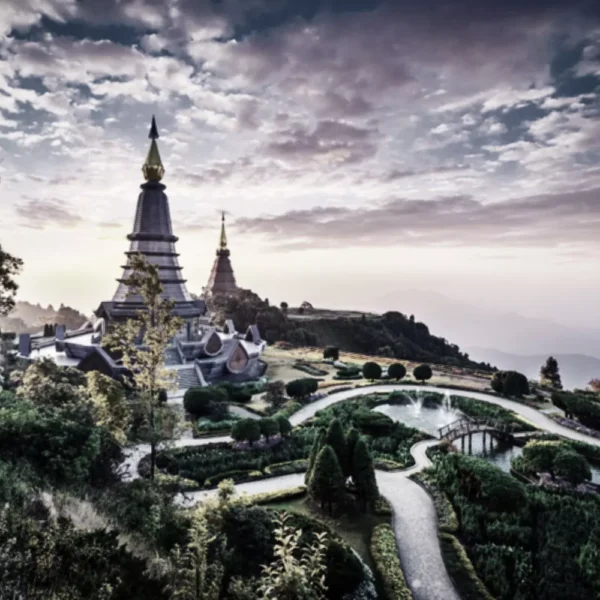
    Twin royal chedis

    DOI INTHANON

    2,565 metres of perspective. Bring layers.

    Two hours south of the city and suddenly you're standing in a cloud. Doi Inthanon — Thailand's highest peak — is Chiang Mai's most dramatic secret, a mountain that contains waterfalls, royal temple complexes, Karen and Hmong hill tribe villages, and a summit so cold in December it occasionally frosts.

    See the full-day Doi Inthanon National Park tour → waterfalls, Twin Pagodas, and hill tribe villages in one loop, because renting a scooter and hoping for the best at 2,565 metres is a choice, just not a good one.

    Everything you thought you knew about Thailand stops applying up here. That's the point.
    06 · Craft & Heritage

    Made by Hand.
    Kept for Centuries.

    Nobody taught these crafts in a weekend workshop. Nobody discovered them on a heritage trail. They survived because families decided, generation after generation, that some things were worth the slowness. That’s not nostalgia. That’s a position. Chiang Mai’s craftspeople have been holding it for centuries. Quietly. Without asking for applause.

    01

    Nantharam community · Wua Lai

    Lacquerware

    Bamboo forests. Lacquer trees. A people always moving. From these three ingredients, Lanna ancestors invented Khruang Khoen — lightweight enough for migration, refined enough for royal ceremonies, spiritual enough for temple offerings. One craft containing an entire civilization’s ingenuity, faith, and eye for beauty.

    02

    Baan Tawai Village · Hang Dong

    WOOD CARVING

    Baan Tawai’s master carvers turn teak into breathing organisms — Khruea Wan vine motifs spiraling across furniture, panels, and architectural pieces exported globally. Look for Kalae rooftop finials and Ham Yon doorway carvings believed to guard homes against evil. Art that protects. Design with spiritual intention.

    03

    Wualai Road

    SILVERWARE

    In Wualai, third-generation smiths still hammer silver from the reverse — a technique older than the city itself. Floral patterns, Jataka tales, zodiac signs pressed into metal with bare hands and inherited instinct. Jewelry that carries Buddhist stories. Bowls that took longer to make than you spent getting here.

    04

    San Kamphaeng · Lao Chao Alley

    TRADITIONAL TEXTILES

    Teen Jok weavers from Mae Chaem pick individual threads with porcupine quills to build patterns of lanterns, swans, and flowing water — symbols of fertility woven into every centimeter. This isn’t fabric. It’s a manuscript in cotton, carrying Lanna’s most auspicious stories on its hem.

    07 · Experiences

    Made to Be Felt,
    Not Ticked Off.

    Not a checklist. A collection of feelings — each one available only here, only in the north, only in the city that never needed anyone’s permission to be extraordinary.

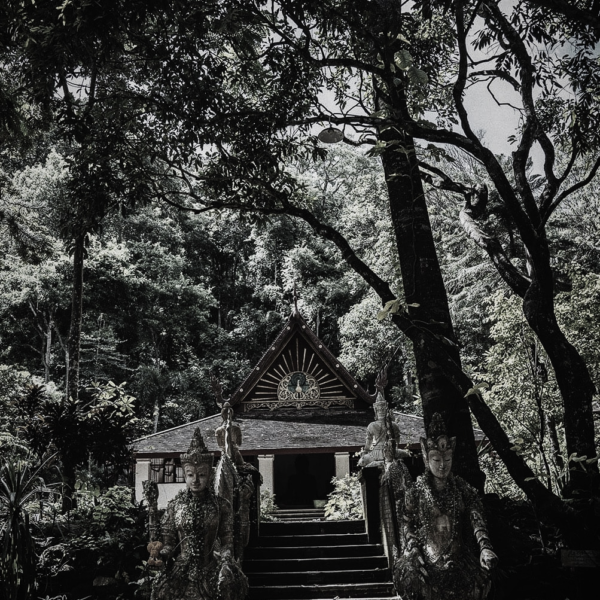
    wat u mong entrance
    Sacred

    Wat Umong

    The Tunnel Temple

    700 years ago, monks carved tunnels into a forested hill so they could meditate in absolute darkness. They still do. Walking into Wat Umong feels less like sightseeing and more like the city quietly pulling you aside for a conversation you didn't know you needed. The forest isn't decoration. It's the whole point.

    วัดอุโมงค์ · Free entry, open 6AM–5PM. Arrive at dawn before anyone else. West of Old City near Suthep Road — follow the trees, not the signs. Read the wisdom notes pinned to the trees by monks. Some will stop you completely.

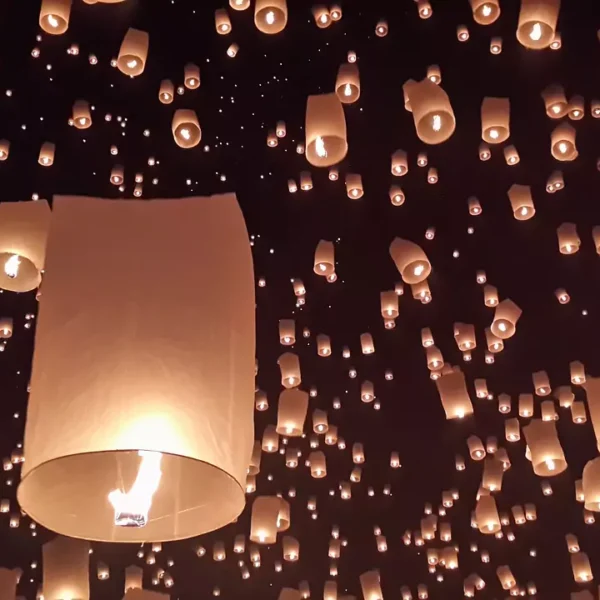
    housands of golden sky lanterns (khom loy) ascend into the dark night sky during the Yi Peng festival, creating a breathtaking and magical display of light.
    Festival

    Yi Peng

    Worshipping the Light

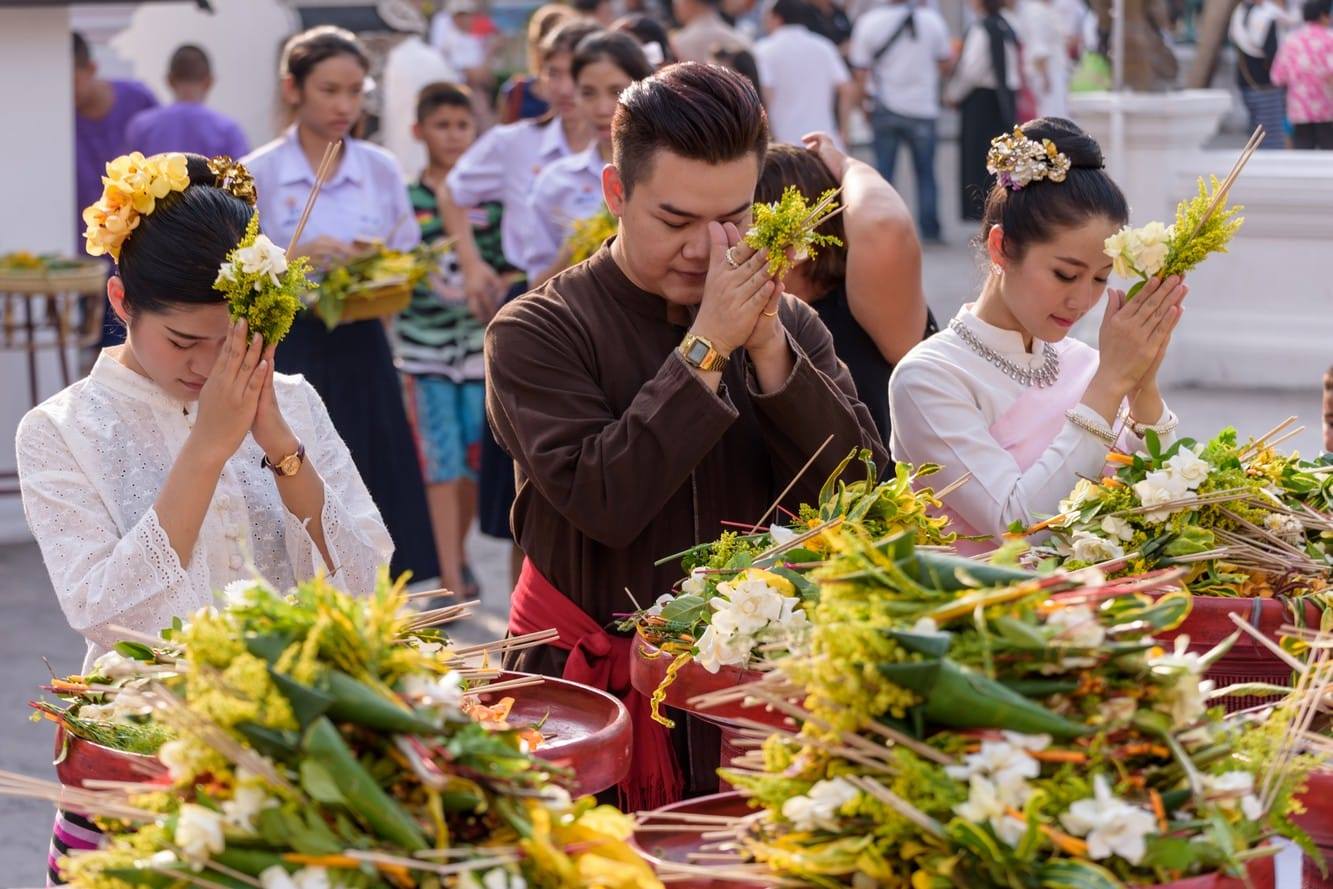
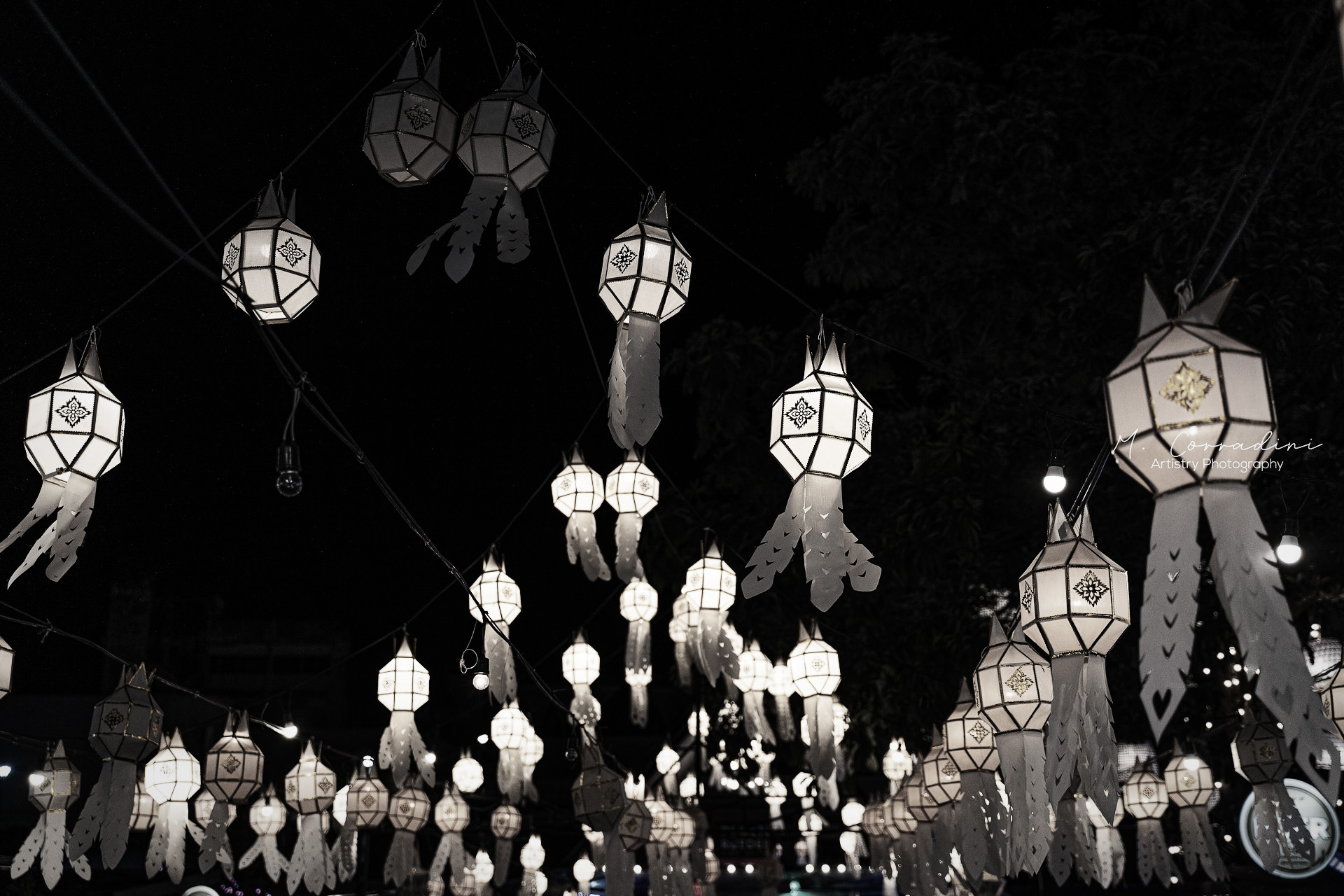
    Before the sky ignites, it begins on the ground. Clay candles line every doorway, fence, and temple path — Lanna people worshipping the light from earth upward. Each lantern released carries sorrow, bad luck, and the weight of everything unspoken — drifting skyward toward the heavenly pagoda. When thousands rise simultaneously, something in your chest finally, quietly, lets go.


    This is a living Lanna Buddhist ceremony — not a light show. Join locals along the Ping River or at temple grounds. Participate with reverence. What you'll feel cannot be photographed.

    Ethical

    Elephant Sanctuaries

    Humbled

    An elephant doesn't perform for you here. It simply exists — magnificently, unhurriedly, on its own terms. You follow at a respectful distance, feeding, observing, understanding slowly that you are the guest and they were always the hosts. Chiang Mai's ethical sanctuaries don't offer an experience. They offer a correction.

    Elephant Nature Park — founded by Khun Lek Chailert, Thailand's most respected elephant conservationist. Book weeks ahead. Full day ฿2,500+. The waiting list exists for a reason.

    Couldn't get a slot? Browse other ethical sanctuaries with availability →Elephant Jungle Sanctuary runs the same no-riding, no-tricks standard, just with a shorter waitlist. Thaitop Assessed. We checked so you don't have to.

    วัดผาลาด Wat Pha Lat
    Hidden Trails

    The Monk's Trail

    Doi Suthep to Wat Pha Lat

    Ascending Doi Suthep is an act of faith. Descending via the Monk's Trail is the journey back to yourself. Every step on ancient roots and stone — birdsong, forest light, saffron cloth wrapped around trees guiding you quietly downhill. This isn't trekking. It's the mountain teaching you that peace was never at the destination. It was always in the walking.

    Start at Doi Suthep temple, walk downhill toward Wat Pha Lat — roughly 40-60 minutes. Follow the saffron-wrapped trees. They are trail markers left by monks. Arrive at Wat Pha Lat to moss-covered pagodas, a waterfall, and the feeling that the world just washed itself clean. Morning only. ฿0. Priceless.

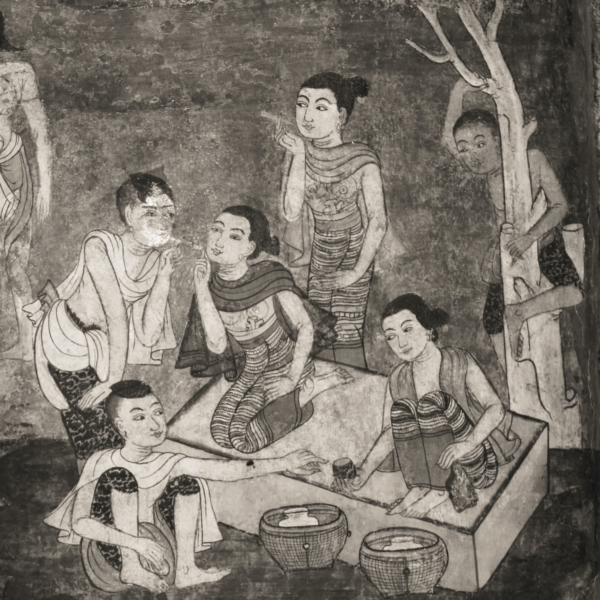
    Lanna mural
    Lanna Heritage

    Lanna Folklife Museum

    Know the hosts. Then the feast makes sense."

    Chiang Mai isn't just Northern Thailand — it's the heart of a 700-year-old kingdom with its own language, calendar, and soul. The Lanna Folklife Museum is your introduction to the hosts before the feast begins. Skip this and you'll enjoy Chiang Mai. Visit first and you'll understand it. There's a profound difference.

    หอพื้นถิ่นล้านนา · Wednesday–Sunday, 8:30AM–4:30PM. Closed Monday & Tuesday. Adults ฿90, children ฿40. Make this your first stop in Chiang Mai — not your last. Everything else makes more sense after.

    08 · Foodie Focus

    This Is What
    700 Years
    Tastes Like.

    Chiang Mai’s cuisine is Lanna’s living legacy: bolder, earthier, fiercer. Seven hundred years of culinary independence built a food culture that answers to nobody — fermented, herbed, slow-cooked, and unapologetically Northern. Its own language. Its own ingredients. Its own rules. One meal here and everything else starts feeling like a polite introduction.

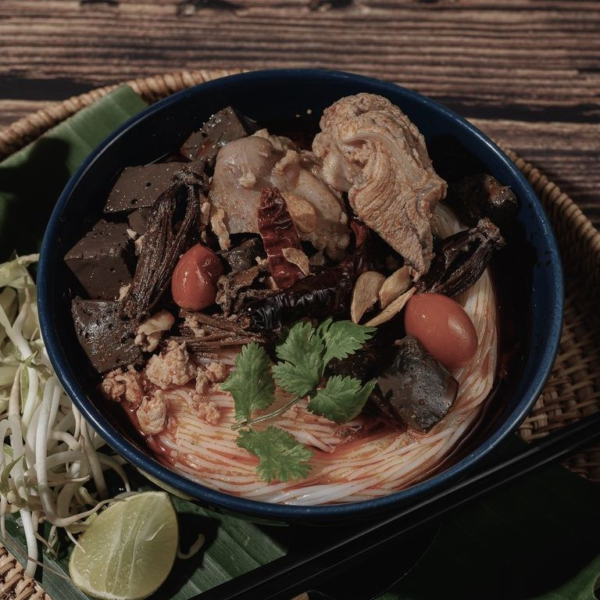
    a vibrant bowl of Khanom Chin Nam Ngiao, a Northern Thai noodle soup
    Like a Local

    KANOM JEEN NAM NGIEW

    ขนมจีนน้ำเงี้ยว

    Fermented rice noodles drowning in a rich, tomato-red broth built on pork ribs, dried chilies, and fermented soybean — this is Northern Thailand's answer to a question nobody thought to ask. Funkier than Khao Soy, bolder than anything on the tourist menu, and completely, stubbornly Lanna.

    Add the fresh herbs yourself — locals pile them high. Don't be shy.

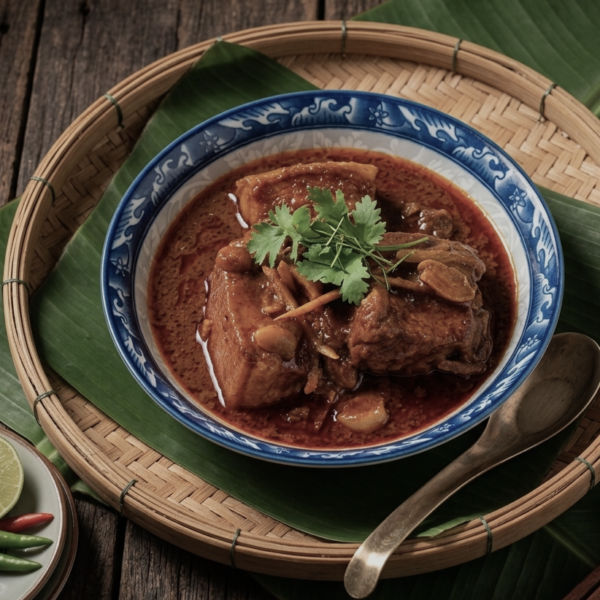
    Gaeng Hung Ley, a classic Northern Thai pork curry
    Like a Local

    GAENG HANG LAY

    แกงฮังเล

    Burmese roots, Lanna soul. Slow-braised pork belly swimming in a dark, tamarind-pulled curry fragrant with ginger and pickled garlic — no coconut milk, no shortcuts, no apologies. This isn't curry in a hurry. This is curry that sat on the stove all morning and knows exactly what it's doing.


    Eat it with sticky rice only. Jasmine rice here is a crime against tradition.

    sai oau
    Like a local

    SAI UA

    ไส้อั่ว

    Lanna herbed sausage packed with lemongrass, galangal, kaffir lime leaves, and enough aromatics to make your nose fall in love before your mouth catches up. Grilled until the skin blisters and cracks. Every market sells it. Nobody makes it like the North. This is the original. Everything else is a cover version.
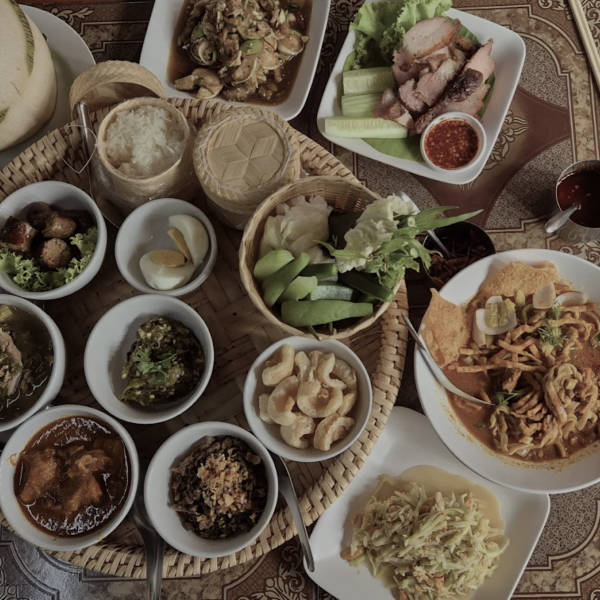

    Buy an extra portion for the road. You won't regret it. You will regret not doing it.

    Lanna food
    original

    Huen Phen

    เฮือนเพ็ญ · The Full Lanna Menu

    Huen Phen doesn't need to introduce itself — it's been feeding Chiang Mai families since before most restaurants on this list were born. Authentic Northern recipes inherited directly from the original creator, served inside a traditional Lanna house that smells exactly like someone's grandmother's kitchen. Because once, it was.
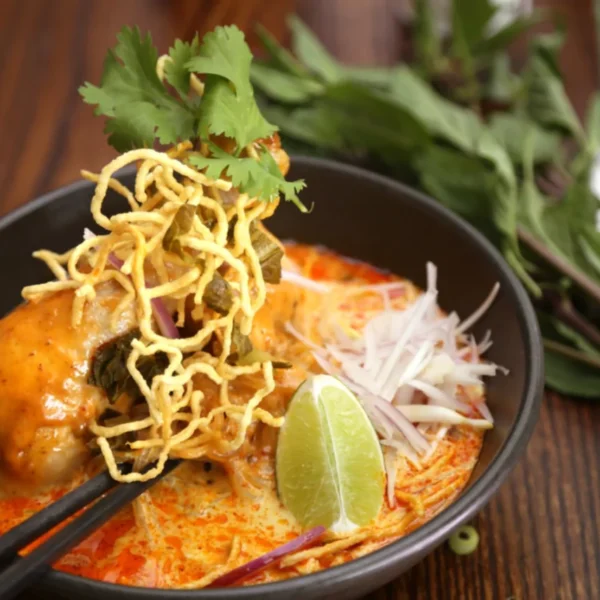

    Ratchamanka Rd · ฿80–400 · Lunch queue moves faster. The evening ambiance inside the Lanna room is worth the wait.

    worth the queue

    Khao Soi Khun Yai

    ข้าวซอยคุณยาย · Grandma's Recipe. Grandma's Hours.

    Hidden in a backyard garden behind Wat Kuan Khama, this is the Khao Soy tourists stumble upon and immediately stop looking. One family, one recipe, four hours a day — and somehow that's never enough. The bowl arrives humble. The first spoonful is anything but.


    Khao Soi Soi 1 · ฿60–80 · Cash only · Arrive at 10AM sharp. By 2PM it's gone — Grandma doesn't do overtime.
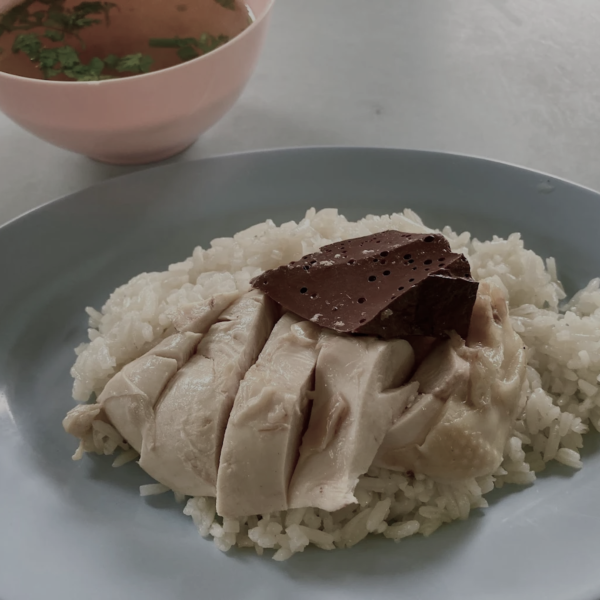
    chicken rice simply delicious
    The Legendary

    Kiat Ocha

    เกียรติโอชา · Chiang Mai's chicken rice institution

    My dad's order. My order. Same chicken, same rice, same wooden shophouse that smells like 1957 and garlic and something you can't quite name. Translucent chicken, garlic-breathing rice, a sauce nobody's ever successfully replicated at home. Kiat Ocha doesn't do trends. It does the one thing, perfectly.

    Order the pork satay. Not optional. The table next to you already knows.

    09 · Getting around

    Getting Lost Here
    Is Not a Bug.
    It's the Feature.

    Chiang Mai is compact enough to be genuinely walkable — and relaxed enough that getting slightly lost is part of the experience. Here’s how the locals actually get around.

    SONGTHAEW (ROD DEANG)

    BEST FOR: EVERYWHERE · THE REAL CHIANG MAI BUS · COMMUNAL CHAOS.


    Sanity Rating:


    The red pickup trucks that run on vibes and negotiation. Hail one, tell the driver where you’re going, agree on a price (20–50 baht in the city). If others are going the same direction, you share. This is not a problem. This is the system. Tourists who expect a direct route will arrive eventually. Locals have been arriving de tour en route for decades.

    MOTORBIKE RENTAL

    BEST FOR: DOI SUTHEP · COUNTRYSIDE · FEELING DANGEROUSLY FREE.


    Sanity Rating:


    150–250 baht a day for a scooter and the audacity to call yourself a traveller. Get your international driving permit — checkpoints around the old city are not shy. Photograph every scratch before you ride. That scooter has lived a full life, and without evidence, its entire autobiography becomes your invoice. The mountains are worth it. The paperwork is not.

    BICYCLE

    BEST FOR: OLD CITY · MORNING MARKETS · PRETENDING YOU LIVE HERE.


    Sanity Rating:


    50–100 baht a day and the most honest way to understand why Chiang Mai’s old city is a perfect square moat. Flat, manageable, forgiving. The morning air before 9 AM is cool enough that cycling feels civilised. After 11 AM the sun will reconsider that assessment. Rent from your guesthouse or any shop along Moonmuang Road. Lock it. Always lock it.

    Walking

    BEST FOR: OLD CITY · GETTING LOST ON PURPOSE · FINDING THINGS THAT HAVE NO ADDRESS.


    Sanity Rating:


    Free. Always available. Never surge-priced. The old city is 1.5 kilometres square — a moat-framed grid that rewards anyone willing to wander down a lane that looks like it leads nowhere. It leads somewhere. It always leads somewhere. The best temple you’ll visit in Chiang Mai will be the one you found by accident while looking for lunch. Your feet knew. Trust them.

    10 · Local Customs

    We Love You.
    Please Don't
    Do This.

    We genuinely love that you’re here. Chiang Mai is older, quieter, and considerably more patient than Bangkok. We have been here for 700 years. We have seen everything. We are still too polite to say any of this to your face. So here we are again.

    SLOW DOWN. WE MEAN IT AS A COMPLIMENT.

    Chiang Mai runs on Lanna time — unhurried, deliberate, and deeply unbothered by your itinerary. ใจ๋เย็นๆ— cool heart — is not a suggestion here. It is the operating system. Your coffee takes longer. Your food arrives when it’s ready. Your tuk tuk driver stops to chat with his cousin. This is not inefficiency. This is Chiang Mai working exactly as designed. People come for three days and stay for three months. The city didn’t slow them down. It cured them.

    THE NORTH'S TEMPLES HAVE MORE RULES.

    Our temples are sacred, living, breathing spaces — not decoratively. The monk mid-meditation is not your content. The ancient wall is not your stepladder. The prayer hall is not your amphitheatre. Shoulders covered. Knees covered. Voice: somewhere between a whisper and a secret. No photography during ceremonies — the moment is not yours to capture. Some inner sanctums are closed to women entirely. Ancient Lanna tradition. The sign means it. Non-negotiable means non-negotiable. 

    DOI SUTHEP CODE

    The Phra That Doi Suthep houses Buddha relics — the most sacred point in all of Lanna. This is not a backdrop. It is the city’s soul, elevated 1,080 metres above your itinerary. Walk clockwise around the pagoda. Always clockwise. Shoulders covered. Knees covered. Non-negotiable. Not a suggestion. Not a vibe. Sarongs are available at the gate if you arrive underdressed. Use one without being asked. Don’t be that person. Compose yourself accordingly.

    POINT YOUR FEET AT ANYTHING SACRED. OR ANYONE.

     Still the lowest part of the body. Still spiritually problematic. Tuck them away during prayers — phap piab style, both legs to one side, feet hidden like they don’t exist. Don’t step on temple thresholds — protective spirits live there and they did not invite your shoes. Don’t prop your feet on tables, point them at Buddha images, or use them to gesture at anything. Be a rectangle. Not a compass. We said what we said.

    STAND STILL AT 8AM AND 6PM

    If you suddenly notice everyone around you has stopped moving — they have. The national anthem plays twice daily and Thais stop to honour it. You are in Thailand. Stop. Stand straight. It takes 90 seconds and costs nothing. Kreng jai — the art of not making yourself someone else’s problem — starts here.

    WEAR ALL BLACK TO A TEMPLE

    Unless you are attending a funeral — in which case, correct — solid black is the colour of grief in Lanna tradition. Light colours. Natural cotton. A pha sin if you’re feeling adventurous. The elders will look at you differently if you wear local cloth. Not suspiciously. With genuine, quiet affection. Pack one extra shirt. It costs nothing. It means everything.

    Ethical Elephant Experiences

    Chiang Mai loves elephants the way we love family — which means we are very particular about who gets near them. No riding. No circus performances. No hooks. Choose sanctuaries focused on genuine welfare and long-term care. If the elephant is doing tricks, that is your answer. Walk away. Choose sanctuaries where elephants walk, mud-bathe, and ignore you completely. That last part means they’re happy. 

    BARGAIN HANDMADE CRAFTS INTO THE GROUND

    The silverwork on Wualai Road took weeks. The Mae Chaem weaving took longer. Neither came from a factory. Bargaining them to half-price isn’t savvy — it’s watching someone’s pride quietly extinguish while you congratulate yourself on saving 40 baht. Pay fairly. You are not just buying an object. You are extending the breath of something that has survived 700 years.

    11 · The Honest Take

    BLESS YOUR HEART.
    READ THIS FIRST.

    We love Chiang Mai. Which is why we refuse to dress it up. The north has no patience for pretending. Here’s what you should actually know before you arrive.

    Real

    CHIANG MAI DISTANCE

    Measured in driver’s mood, not kilometres. The songthaew signs are more like a suggestion. Which truck is going vaguely your direction is a mystery that 40 years of local living has yet to solve. “Mai pai” — not going — can arrive even when the sign clearly says it is. The road to your destination is never a straight line in Chiang Mai. Neither is anything else. Stop measuring. Start wandering. The city reveals itself to people who’ve stopped checking arrival times.

    Real

    EVERYTHING CLOSES EARLIER THAN YOU EXPECT

    Chiang Mai is not Bangkok. It goes to bed. The night bazaar wraps up around 11PM. Your favourite local restaurant closes at 9PM, sometimes 8PM, sometimes whenever the owner decides they’ve had enough — which is their right and also occasionally inconvenient. Plan dinner before you’re hungry. This is the single most important logistical advice in this entire guide.

    Real

    BURNING SEASON

    February to April, farmers across the north burn their fields. The mountains disappear. The sky turns white. Your lungs file a formal complaint. This is the one season we will genuinely tell you to reconsider your timing. If you must come — and we understand, flights are booked, plans are made — pack an N95 mask, not a surgical one. The surgical one is decorative. The air is not.

    Real

    "COLD SEASON" IS ACTUALLY COLD

    November to February, temperatures in Chiang Mai drop to 10-15°C at night. Tourists arrive in linen shirts having read the word “tropical” and make deeply optimistic assumptions. The mountains are colder than the city. Doi Inthanon — Thailand’s highest peak — has seen frost. Pack one layer you’d be embarrassed to need. Need it anyway. Dignity is warm.

    Real

    SONGKRAN. TEMPLE FIRST. WATER FIGHT LATER. WE'LL WAIT.

    Yes, there is a water fight. A magnificent, city-wide, completely joyful water fight. But Songkran in Chiang Mai is Thai New Year first — a sacred ceremony of cleansing, family, and temple offerings. The water is a blessing, not a party trick. Participate in the ceremony before you pick up the water gun. You’ll enjoy the splash infinitely more when you understand what it means.

    Real

    THE CITY IS QUIETLY ASKING YOU SOMETHING.

    Chiang Mai doesn’t reinvent itself like Bangkok. It waits. It watches. It lets the digital nomads come, open their laptops in its coffee shops, fall completely in love, and slowly — almost without noticing — begin to slow down. The city has been doing this for 700 years. Converting the rushed into the unhurried. If you leave still moving at the same speed you arrived, Chiang Mai considers that a failure. It’s patient. It has time.

    12 · Practical Intel

    Everything
    you actually
    need to know.

    Last Updated: July 2026

    Nov — Feb

    Best Time to Visit

    Cool, clear, 18–28°C. The city at its most smug about the weather. High season means crowds, but the air quality makes it worth it.

    Mar - Apr

    Burning Season Warning

    Agricultural fires from surrounding hills create smoke that fills the valley. Air quality can drop to hazardous levels. Locals wear N95 masks. This is real. Most guides gloss over it. We won’t. Check AQI before you book March travel.

    Cash > Card

    Money Reality

    Local markets, songthaews, street food, Sunday Walking Street — all cash. ATMs everywhere, but fees apply. Exchange at SuperRich or Kasikorn Bank for best rates. ฿500/day is comfortable for street food living. ฿1,500 if you’re also doing coffee.

    Chiang Mai Ram Hospital

    Health

    The best private hospital in the north. English-speaking staff, international insurance accepted. For minor things: any pharmacy (ร้านขายยา) — the pharmacists are knowledgeable and can treat most common travel ailments without a doctor visit.

    Airport Transfer

    GETTING IN

    CNX to Old City is 15 minutes, but arrivals-hall Grab pricing is criminal. Book a fixed-price transfer → know your price before you land, not after you’re already annoyed.

    You've Seen 5% of Chiang Mai

    GETTING AROUND

    Moat temples are the trailer. Beyond the moat – Doi Suthep, Doi Inthanon, Mea Khampong, Mon Cham, Mae Rim are the real plot. Book a driver for the day → one price, no haggling, no stranding at dusk.

    Get Online Before You Land

    CONNECTIVITY

    Airport SIM counters mean a queue and a markup. Grab an eSIM before you land → active the second you touch down, zero counter, zero queue.

    Base Camp Matters

    Where to stay

    Old City for temples on foot, Nimman for coffee and cool kids, Riverside for quiet. Location beats “luxury” every time.

    13 · Where Next?

    Nearby
    Hidden Gems

    Chiang Mai is the base camp. These are the destinations that reward people who use it properly.

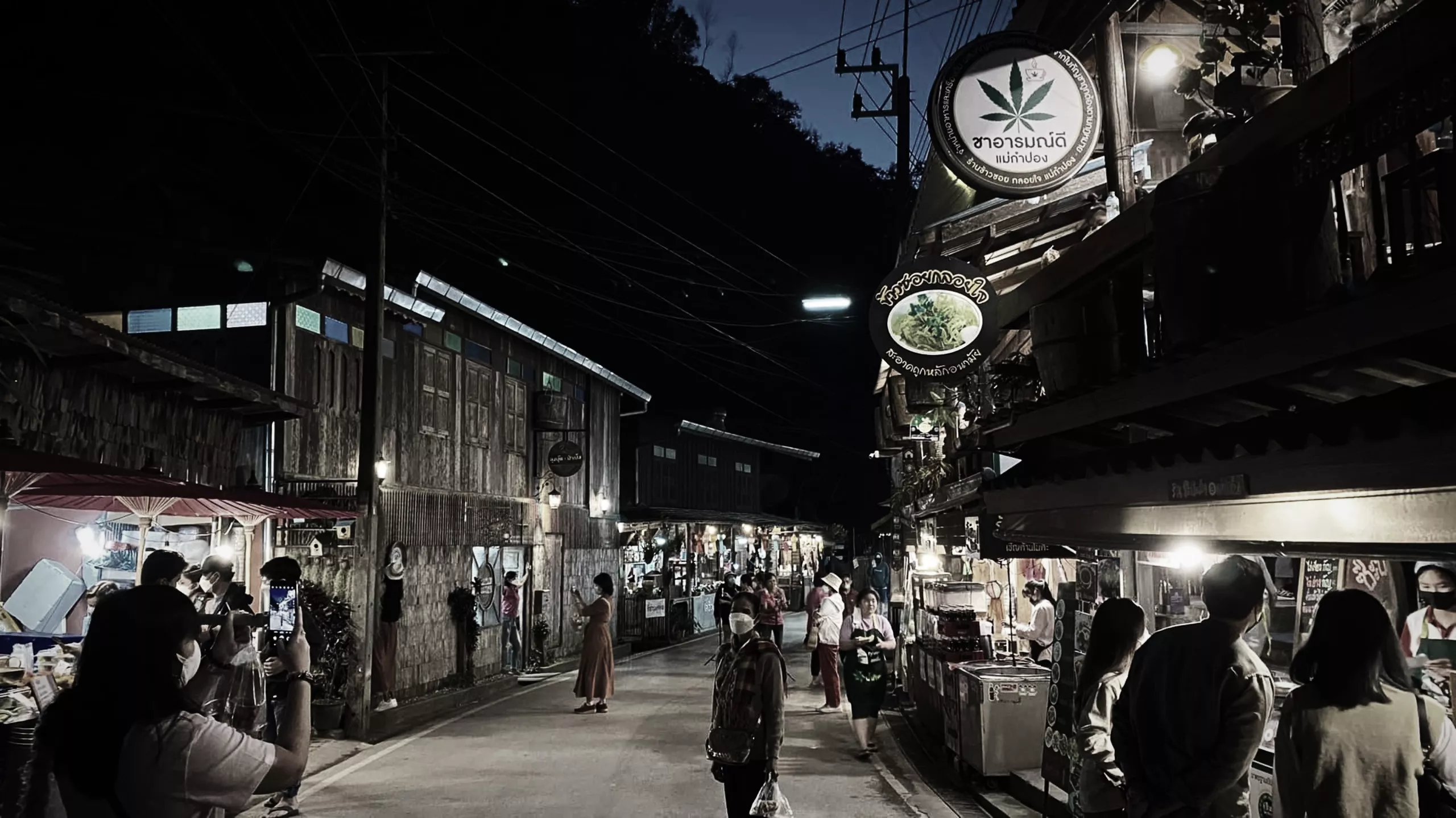
    mea kampong street

    Mea Kampong

    Fog. Coffee. Grandmothers who’ve been hosting strangers since before homestays were trendy. Ninety minutes from the city, Mea Kampong sits wrapped in mountain mist like it’s been keeping a secret — and it has. The kind of quiet that actually quiets you.
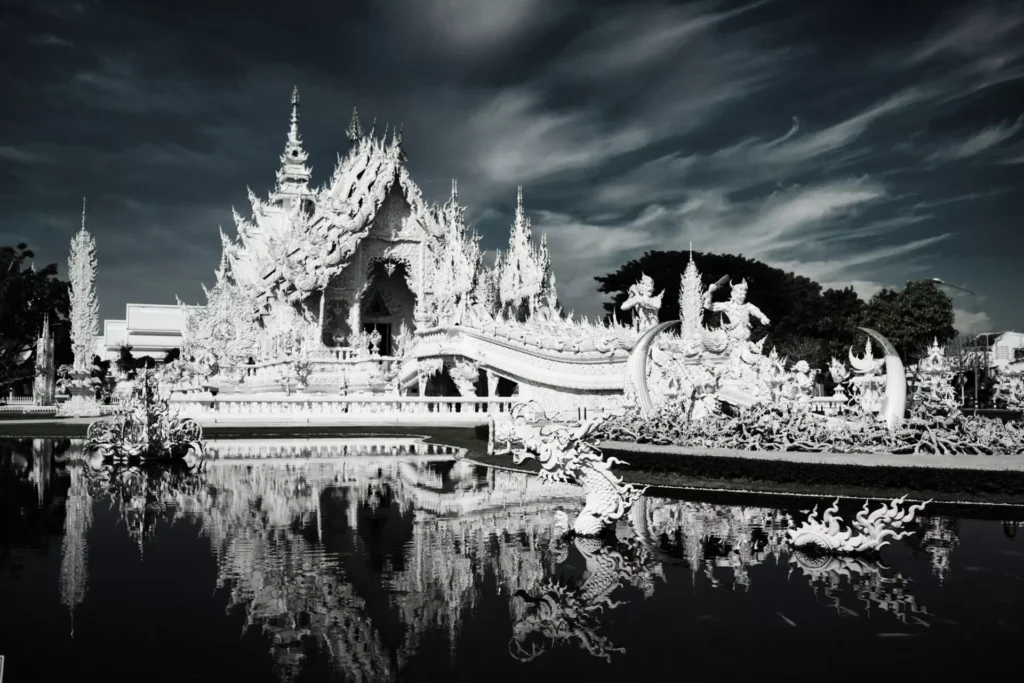
    beautiful reflection of white Wat Rong Khun on water. Simple devine

    Chiang Rai

    The White Temple that breaks every rule of what temples should be. The Black House that breaks every rule of what houses should be. The Golden Triangle where three countries meet and history gets complicated. Chiang Rai doesn’t do ordinary. Best as an overnight. Non-negotiable.
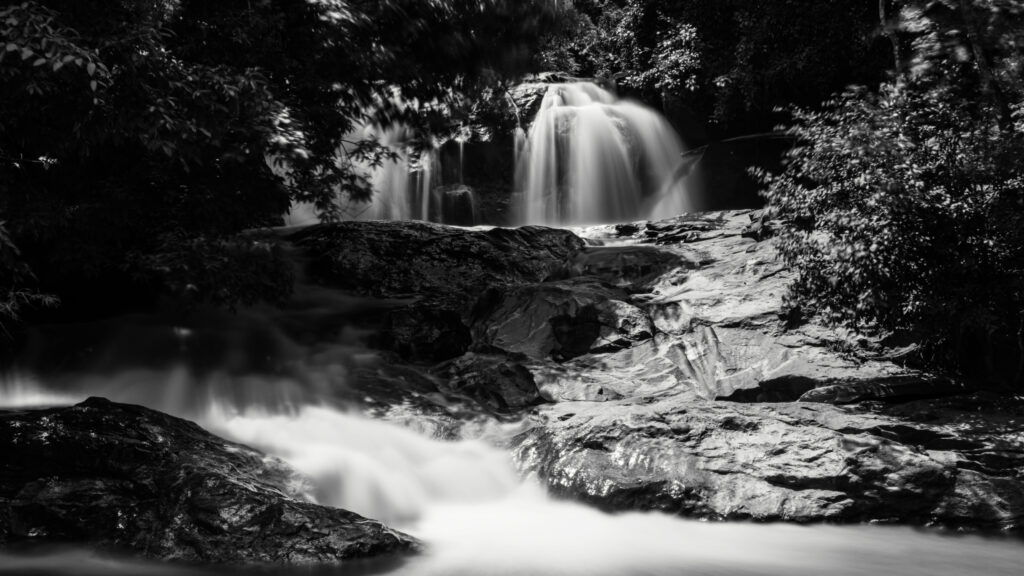
    waterfall at Inthanon National park

    Doi Inthanon

    At 2,565 metres, Doi Inthanon does something Thailand rarely attempts — genuine, dramatic cold. Twin royal chedis emerging from mist. Cloud forest that feels like another country. Hill tribe grandmothers selling strawberries at 2,000 metres with the quiet confidence of people who live above the clouds. Bring a jacket. We warned you.