A Local's Complete Guide

Planning
a Trip to

Thailand

Here's Thailand planning done right: weather you can trust, budgets that make sense, packing lists without the fluff—Thailand logistics explained from Thai perspectives.

01 . The Thai Way

The Land of Smiles

Golden temples, street food that’ll ruin your hometown’s “Thai” restaurant forever, and beaches that make you question if filters are even necessary. Thailand doesn’t just welcome different travelers—it gives each one exactly what they didn’t know they needed.

Planning a trip here can feel like solving a Rubik’s cube blindfolded on a tuk-tuk. Seventy-three browser tabs open, still can’t decide between Phuket and Krabi, and that visa paperwork isn’t filling itself out.

Here’s the thing: we’ve been perfecting sanuk (fun) for centuries, and we’re pulling back the curtain. Think of this as your golden ticket to Thailand—minus the chocolate factory, plus actual paradise and exceptional pad thai.

What’s inside? Foolproof itineraries, packing wisdom that prevents tourist fashion disasters, the best times to visit, visa decoded, and insider knowledge that makes locals nod approvingly instead of chuckling behind their hands.

Ready to turn “someday maybe” into “booking flights right now”? 

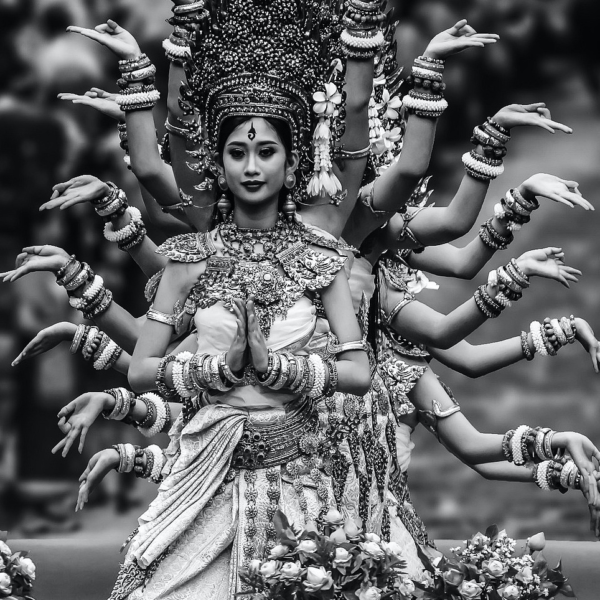
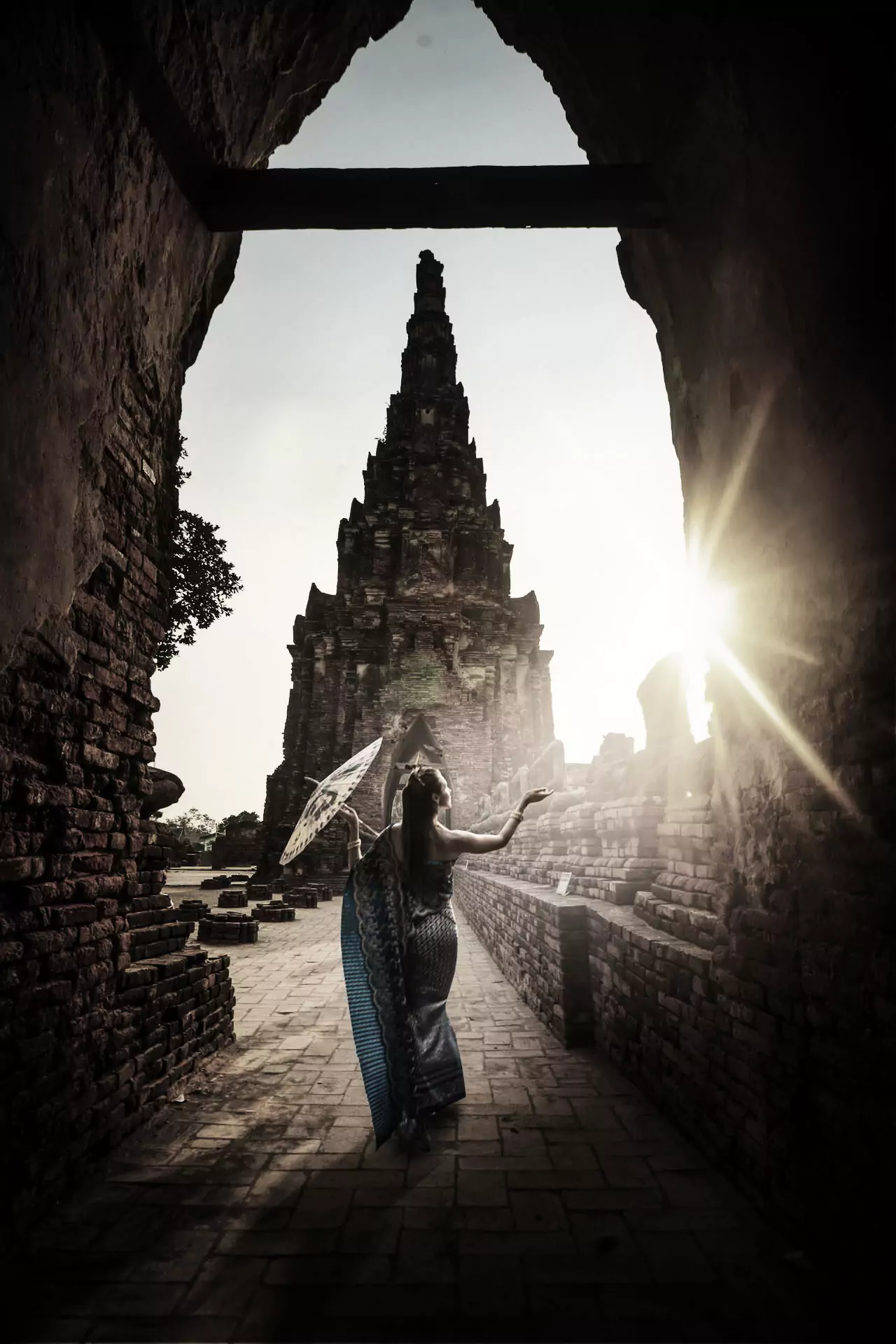
A beautiful Thai woman in traditional national costume walking gracefully through the ancient ruins of Ayutthaya, beautifully representing Thailand's past and living cultural heritage.
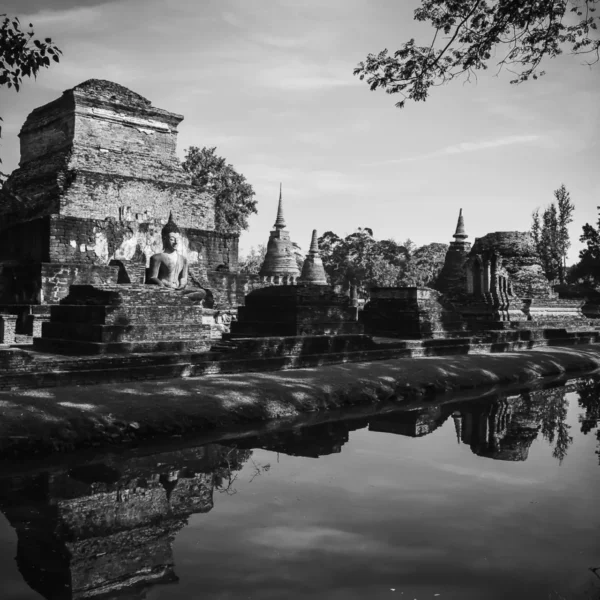
Late afternoon at Wat Chaiwatthanaram in Ayutthaya, where time moves differently. Golden light pours through archways built in 1630, the same light that once bathed Siamese royalty. Here, past and present dissolve into one. This is Thailand beyond the guidebooks.
02 . Understanding the appeal

Why Visit Thailand?

This isn’t just another tropical destination where you tick off temples and call it culture. Thailand is that rare place where every day feels like multiple vacations at once: exploring ancient ruins like an archaeologist, learning family recipes older than your country from a village grandmother, catching sunset colors from a longtail boat that don’t exist anywhere else.

And let’s address the elephant in the room — affordability. While other “dream destinations” demand years of saving, Thailand proves paradise doesn’t need a payment plan:

  • The $8 Michelin Meal – Street food rivaling fine dining
  • The $15 Beach Bungalow – Actual paradise, not a typo
  • The $10 Life-Changing Massage – Available on every corner

But here’s what really makes Thailand impossible to resist: it gets you, whoever you are.

Solo traveler seeking enlightenment? Our monks and meditation retreats have been guiding seekers for centuries. Family showing kids the world is magic? Wait until their faces light up at elephant sanctuaries and night markets. Couple ready to fall in love again? Our sunset beaches were made for this. Foodie on a mission? Every street corner is your classroom. Adventure junkie? Diving with whale sharks, ziplining through jungles, rock climbing limestone cliffs—we’ve got your fix.

Thailand doesn’t just accommodate different travelers—we celebrate them. And everyone who’s been here can’t stop talking about it.

Ready to discover why Thailand’s been stealing hearts for generations?

A Local Perspective

"Thailand is the only place on Earth where you can find enlightenment at sunrise, adrenaline at noon, and the best meal of your life at midnight — all in the same day, all without winning the lottery first."

Hataitip · Founder, Thaitop
03 . weather

Best Time
to Visit Thailand?

Here’s the million-baht question: When should you pack your bags for Thailand? Well, asking about the best time to visit Thailand is like asking which flavor of som tam (papaya salad) is best – it depends on what makes your taste buds (and travel style) sing!

Let’s break down Thailand’s personality seasons, because yes, our weather has more mood swings than a teenager.

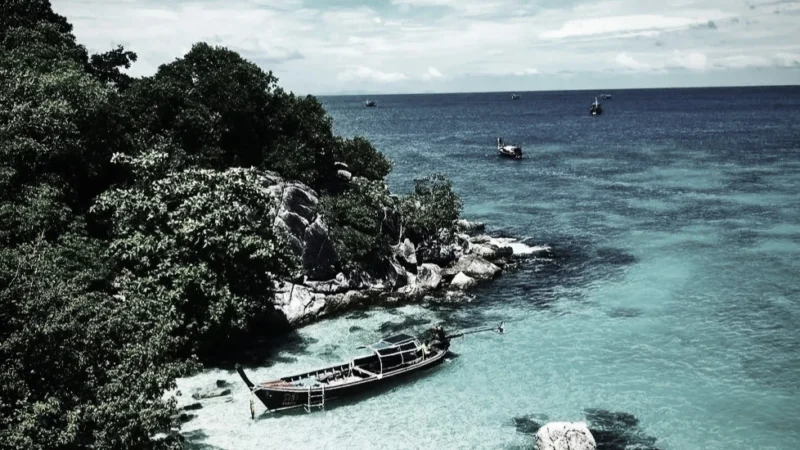
a boat float at quiet corner at Lipe Island
Peak season

Nov — Feb

COOL SEASON

25–30°C

Thailand's red carpet moment. This is when Thailand puts on its Sunday best – think of it as our country’s equivalent of that perfect selfie lighting. The weather is like a gentle hug instead of a sweaty bear hug, with temperatures that make you want to explore rather than hide in air conditioning.

The good news: Perfect weather for temple-hopping, market wandering, and looking fabulous in photos.

The plot twist: Everyone else knows this too, so expect crowds thicker than our coconut curry and prices that climb faster than a monkey up a palm tree. But hey, sometimes you’ve got to pay for perfection!

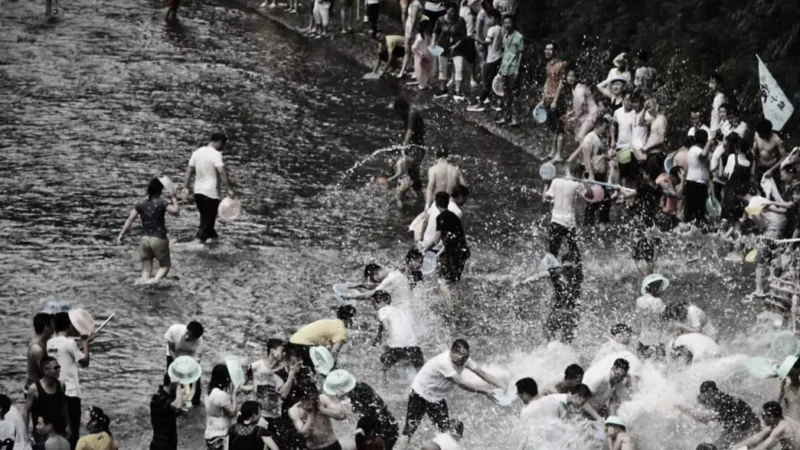
songkran festival in chiang mai
Budget Season

MAR — MAY

HOT SEASON

35–40+°C

Think of this as Thailand's "turn up the heat" season—literally. Like a sauna that became a country. But hear us out! This is when you'll find the best deals (hotels practically beg you to stay), fewer crowds (entire temples to yourself), and the most authentic local experience.

This is mango season! Our mangoes are so sweet and perfect, they could make you forget you're living in an oven. Nam Dok Mai mangoes that taste like sunshine decided to become a fruit.

Plus, Songkran (Thai New Year) happens in April – the world's biggest water fight as a national holiday. You haven't truly lived until you've been soaked by a smiling grandma wielding a water gun with sniper precision.

Klong Chao water at its peak in rainy season
Budget season

JUN — OCT

RAINY SEASON

27–35°C

Thailand's moody artist phase Don’t let the name fool you – it’s not 24/7 monsoon madness. It’s more like Thailand’s daily afternoon shower routine, but with more drama. Rain usually comes in short, intense bursts (think passionate love affair, not boring steady relationship), often in the afternoon, leaving the rest of the day fresh and clean.

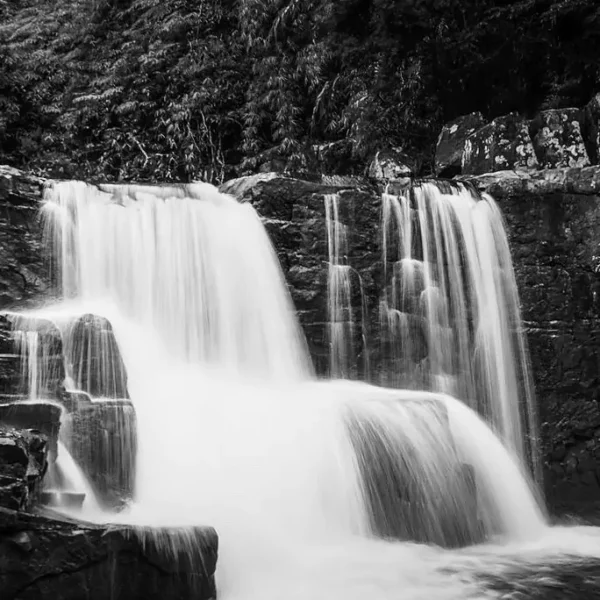
The insider secret: This is when Thailand becomes emerald green, waterfalls are at their most dramatic, and you’ll see the country through locals’ eyes. Plus, hotel rates drop faster than tourists run for cover during a surprise shower!

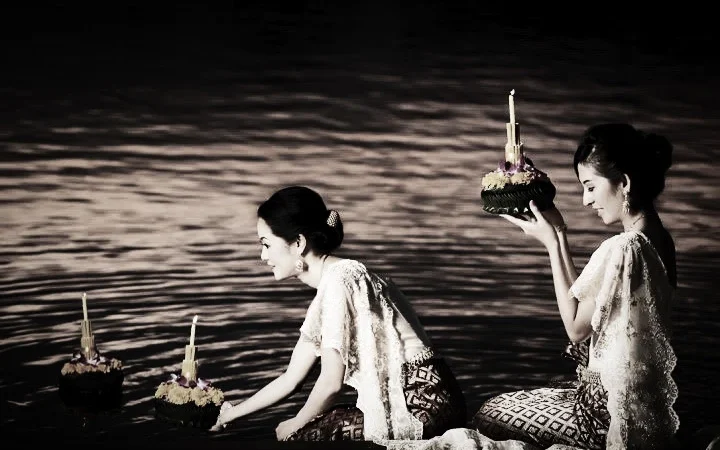
two beautiful thai women in thai traditional dress release krathong into the rever on Loy Krathong festival
Sweet spot

OCT — DEC

LATE OCT - EARLY DEC

24–30°C

Rain stops. Cool season begins. But peak tourist pricing hasn't kicked in yet. The best balance of good weather, fair prices, and manageable crowds.

This is when Thai people travel. November brings Loy Krathong — releasing candlelit boats on still water under a full moon.

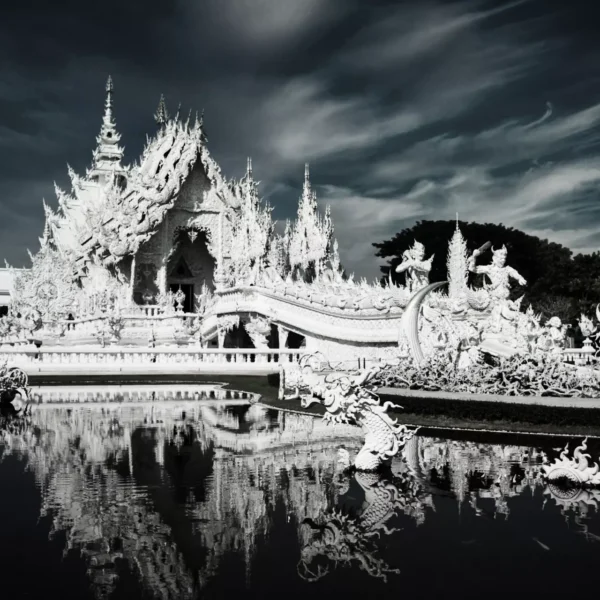
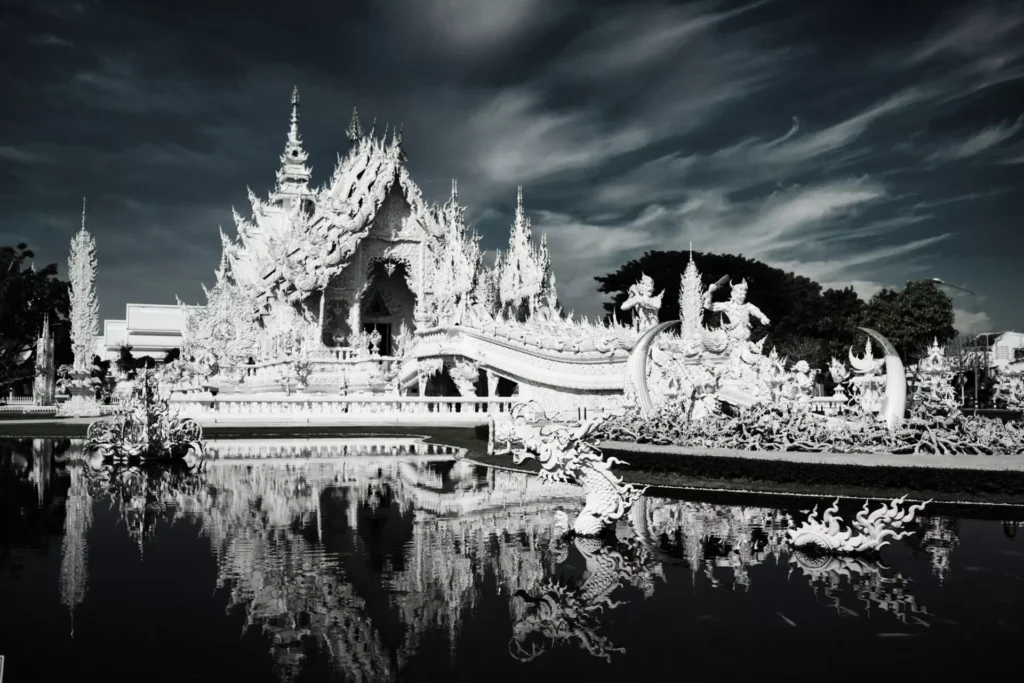
beautiful reflection of white Wat Rong Khun on water. Simple devine
The Thai Philosophy
"There's no wrong time to visit Thailand, just different flavours of amazing."

Match Thailand’s mood to your travel personality. Whether you want postcard-perfect weather, budget-friendly adventures, or monsoon-fresh experiences — we’ve got you covered.

Regional Plot Twists

Because Thailand
Doesn't Do Simple

West Coast · Andaman

Phuket, Krabi, Koh Phi Phi

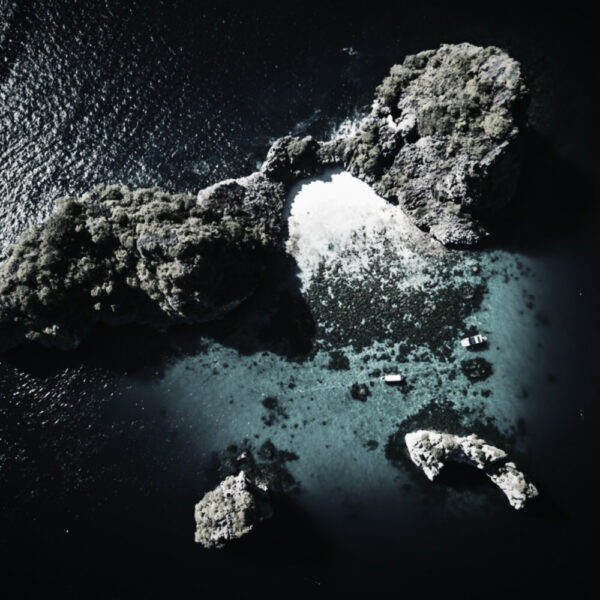
Classic Thailand beach postcard vibes. Limestone cliffs, turquoise water, world-class snorkelling.

Best : November – April
Avoid : May – October (monsoon)

East Coast · GULF

Koh Samui, Koh Phangan, Koh Tao

Opposite weather patterns to the Andaman. This means year-round Thailand beach options if you know where to look.

Best : January – August
Avoid : November (peak monsoon)

Northern Thailand

Chiang mai, Chiang rai, Pai

Mountains, temples, and temperatures cool enough for a light jacket. Actual sweater weather in Thailand.

Best : November – February
Avoid : March–April (burning season)

Which Itinerary Is For You? | Thaitop
04 · Find Your Route

Which
Itinerary
Is For You?

Three questions. One perfect Thailand route. We've done the planning — you just have to show up.

Question 1 of 3
01 · Duration

How Many Days
Do You Have?

01
7 DaysThe perfect sampler — enough to fall in love
02
10 DaysThe sweet spot — locals' favourite window
03
14 DaysThe deep dive — where Thailand really opens up
04
15+ DaysThe soul journey — you may not want to leave
02 · Travel Style

What's Your
Travel Style?

01
First-TimerShow me the highlights — I want the full picture
02
Soul-SearcherThe road less traveled — I go where the locals go
03
Island HopperBeach life, slow mornings, turquoise water — please
04
Family ExplorerAdventures designed for all ages and energy levels
03 · What Matters Most

What Matters
Most to You?

01
Culture & TemplesWhere history isn't behind glass — it's all around you
02
Beach & IslandsSun, sand, and sea you don't believe is real until you're in it
03
Nature & AdventureJungle, mountains, and thrills off the tourist map
04
Authentic ExperiencesReal Thailand, real people — not the postcard version
05
A Balanced MixA little of everything — because why choose?
Answer the questions
to reveal your route
Your itinerary
Route
Thailand

Your Perfect Route

View Full Itinerary
TH
05 . money matter

Budget Like
a Boss

Thailand treats your wallet like that friend who always insists on paying for dinner. The real question isn’t “Can I afford Thailand?” — it’s “How far will my money actually go?”

Baht Buddy — Thailand Budget Calculator · Thaitop
Baht Buddy
Thailand Budget
Calculator
Trip Duration 10days
Travellers 2travellers
Travel Style
Regions to Visit
Estimated Total $1,200 ฿42,000 THB
Accommodation
$400
Food & Drinks
$280
Activities
$200
Transport
$120
Misc
$80
$60 per person / day  ·  2,100 THB Ground costs only — flights not included. Rate: 1 USD = 35 THB (2026 estimate).
Insider tips to stretch your baht
© 2026 Thaitop · Thailand Budget Calculator
Local Money Moves

Navigate Thai Money
Like a Local

Currency Exchange — Thaitop
Method Typical Fees Best For Local Tip
SuperRich Exchange 0 THB, top rates Bringing foreign cash Pratunam branch = best rates in Bangkok
Most Bank ATMs 220 THB + your bank fee Quick access anywhere Withdraw ฿20k–30k max to reduce fee ratio
AEON Bank ATM 150 THB fee Fee minimisation Found in Big C and Tesco Lotus stores
Bank Counter 0 THB Thai fee Large amounts Bring passport, expect a queue
Card Payment 0–3% surcharge Hotels and malls Ask "no surcharge?" before paying
Thaitop Tips
Cash is still the ultimate VIP pass especially at markets and small vendors.

These auntie and uncle vendors have been perfecting their craft since before credit cards were even a dream! They prefer the crisp sound of baht notes over the beep of plastic. Plus, cash gives you haggling superpowers that cards simply can’t match.
Move Like a Local

Getting Around
Thailand

฿800–2,500

Domestic Flight

Book mid-week on Thai Airways, AirAsia or Nok Air for the best deals. Ideal for time-short trips
฿300–1,200

Overnight Train

Scenic north/south journey. Book upper berth for the views. Wake up in Chiang Mai.
฿400–1,000

VIP Bus / Minivan

Budget long-haul. Pick the window seat for countryside views. Book on 12Go.asia.
฿15-30

Songthaew

The shared red truck of the people. Wave to stop, press the buzzer to exit. Villages and hidden spots only.
฿200-400/day

Scooter Rental

Islands and rural Thailand only. Full helmet + check brakes before you ride. Non-negotiable.
฿50–300

Grab / Bolt

App-based beats street haggling every time. Cities and short hops. Price set before you get in.
06 . What to pack

Packing
Essentials

Think of packing for Thailand like preparing for a relationship with the world’s most interesting person: look good, stay comfortable, be protected, and be ready for anything.

The golden rule
Your wardrobe needs to pass three tests:
the temple test (respectful coverage), the heat test (you won’t melt), and the style test (you’ll look good in photos).
Leave the polyester at home — linen and cotton are your new best friends.


Essential Clothing Items:

Lightweight, long-sleeve shirts

Your secret weapon against sun, mosquitos, and overly aggressive air conditioning. Choose quick-dry materials that won’t cling to you like a needy ex.

Breathable pants/long skirts

Perfect for temple visits and evening mosquito defense. Linen and cotton are your friends; polyester is your sweaty enemy.

t-shirts

Tank tops are great for the beach, but pack some shoulder-covering options for cultural sites. Think “respectful tourist” not “lost backpacker.”

Comfortable walking shoes

Your feet will thank you after a day of temple-hopping. Bonus points if they’re slip-off friendly (you’ll be removing shoes frequently).

Flip-flops/sandals

Essential for beaches, hostels, and quick temple visits. Get ones that won’t abandon you in the first puddle.


For the Ladies:

Sarongs and shawls

The Swiss Army knives of travel clothing. Beach cover-up, temple attire, airplane blanket, towel – it’s like having a personal assistant in fabric form.

Modest dresses

Knee-length or longer for temple visits. Maxi dresses are perfect for looking effortlessly chic while staying cool.

Sunscreen (SPF 50+)

The Thai sun doesn’t mess around. It’s like having a personal spotlight following you everywhere. Bring reef-safe options for marine parks, because we love our coral reefs as much as you’ll love our beaches.

After-sun care

Aloe vera gel for when you inevitably underestimate the sun’s power. Your future sunburned self will thank you.

Insect Repellent

Mosquitoes in Thailand are like tiny vampires with excellent timing – they know exactly when you’re trying to enjoy a romantic sunset. DEET-based repellents work best, but natural alternatives are available everywhere.

Reusable water bottle

Staying hydrated is crucial, and Thailand has water refill stations everywhere. It’s like having a personal hydration network across the country.

Universal power adapter

Thailand uses Type A, B, and C plugs. It’s like electrical musical chairs – bring an adapter that plays all the games.

Portable phone charger

For those long temple-hopping days when your phone dies from photo overload (and it will happen – Thailand is ridiculously photogenic).

Waterproof phone case

Essential for beach days, boat trips, and spontaneous water fights during Songkran. Think of it as insurance for your digital life.

Quick-dry towel

Hostels don’t always provide towels, and regular towels in humidity take forever to dry. It’s like waiting for a glacier to melt.

Basic first aid kit

Band-aids, pain relievers, stomach medicine, and any prescription medications you need. Thailand has excellent pharmacies, but it’s good to be prepared.

Hand sanitizer & Wet wipe

Not just for post-pandemic peace of mind – it’s practical for street food adventures, public toilet and market explorations.

Copies of important documents

Passport, visa, travel insurance, emergency contacts. Store digital copies in cloud storage and physical copies separately from originals.

too much of everything

You can buy beautiful, affordable clothing or gears in Thailand if you forget something (it’s basically a shopping excuse disguised as a packing emergency)

07 . Entry requirements

Entry
& Visa

Ah, bureaucracy – everyone’s favorite topic! But here’s the good news: Thailand makes it easier to visit than most countries make it to join their gym. We’re talking about a country that genuinely wants you here, and the entry and visa process reflects that welcoming spirit.

Visa Vibe Checker | Thaitop

Visa Vibe
Checker

Skip the embassy rabbit holes. Answer three quick questions and we'll tell you exactly what you need — straight from a Thai friend who actually knows the rules.

Updated MAR 2026 · Always verify at thaievisa.go.th
Step 1 of 3
01 · Passport

Where Are
You From?

Tip — use your passport's issuing country, not where you live.

02 · Duration

How Long
Will You Stay?

Short Getaway — Up to 60 DaysBeaches, temples, street food. The classic Thai escape.
Extended Trip — 61 to 90 DaysTime to truly explore — north, south, and everywhere between.
Long Stay — 90+ DaysYou're not visiting. You're living. Thailand does that to people.
03 · Purpose

What Brings
You Here?

Tourism & HolidayTemples, beaches, markets, food — the real Thailand.
Remote Work & Digital NomadMountain-view co-working with pad kra pao on tap.
Education & TrainingThai language, Muay Thai, cooking school, or university.
Retirement & Long-Term LivingWhere your pension goes further and winter doesn't exist.
Answer the questions
to see your personalised
entry requirements for Thailand
Updated March 2026 — rules change fast. Always confirm at thaievisa.go.th before booking.
TH
New for 2026

Kha Yeap Pan Din

Stepping onto Thai Soil Fee

Live as of February 2026. All non-Thai passport holders pay this flat fee at all entry points — air, land, and sea. It’s a small welcome tax that provides automatic travel insurance and funds infrastructure improvements.

300


THB · PER PERSON


≈ $9 USD / £7 GBP

70 THB

TRAVEL INSURANCE

Automatic basic medical and accident coverage from the moment you arrive.

230 THB

TOURISM FUND

Cleaner beaches, better roads to waterfalls, upgraded public facilities.

Thailand Visa & Entry Rules — Thaitop
MANDATORY: Thailand Digital Arrival Card (TDAC)

All travellers must submit the TDAC Online at tdac.immigration.go.th up to 3 days before arrival (air, land or sea). Free QR code issued.

General Entry Requirements

Applies to every traveller regardless of nationality or visa type.

Requirement Details Notes
Passport Validity Must be valid for at least 6 months from date of entry ⚠️ Entry can be denied if invalid
Thailand Digital Arrival Card (TDAC) Mandatory online submission up to 3 days before arrival at tdac.immigration.go.th FREE • REQUIREDReplaces old TM6 form
Onward / Return Ticket Proof of departure within permitted stay Checked by airlines & immigration
Financial Proof 10,000 THB/person or 20,000 THB/family Rarely checked but possible
Health Insurance Not required for short stays Highly recommended • mandatory for long-term visas
Work Restrictions No work allowed without a valid work permit Fines, deportation or bans apply
Overstay Penalties 500 THB per day (max 20,000 THB) Over 90 days = detention + re-entry ban
90-Day Reporting Required for any stay longer than 90 days Applies to long-term visa holders

Visa Exemption & Tourist Visa

For tourism or short business trips from 93 eligible nationalities (US, EU, UK, Australia, Canada, Japan, India, etc.).

Visa Type Who It's For Duration Extension Fee Key Rules
Visa Exemption Citizens of 93 countries — tourism or short business 60 days (air or land entry) One-time 30-day extension FREE
1,900 THB extension
EASYProof of funds & onward travel required. Land entries now qualify for 60 days.
Tourist Visa (TR) Travellers needing longer initial stay or ineligible for exemption 60 days (single-entry)
3-month visa validity
One-time 30-day extension ~2,000 THB
1,900 THB extension
e-VISA REQUIREDApply via thaievisa.go.th. Show bookings & financial proof.

Long-Term & Specialised Visas

For digital nomads, retirees, professionals and extended stays in Thailand.

Visa Type Who It's For Duration Fee Key Perks & Requirements
DTV (Destination Thailand) Remote workers, freelancers, Muay Thai & wellness students 5-year multiple-entry
180 days per entry + one extension
10,000 THB REMOTE WORK OKProof of remote income + 500,000 THB savings.
LTR (Long-Term Resident) High-net-worth, wealthy retirees & skilled professionals 10 years (5+5 renewable) 50,000 THB 10-YEAR VISAFlat 17% tax option. Multiple categories available.
Thailand Privilege Anyone seeking VIP long-stay membership 5–20 years (tiered) Bronze 650,000 THB (5y) — promo until Mar 31, 2026
Gold 900k • Platinum 1.5M • Diamond 2.5M
VIPVIP airport services, golf, concierge. Family add-ons available.
Non-Immigrant (B/ED/O) Business, Education, Retirement, Marriage 90 days initial → 1-year extensions 2,000 – 5,000 THB
+1,900 THB yearly extension
Retirement: 800k THB bank deposit + insurance.
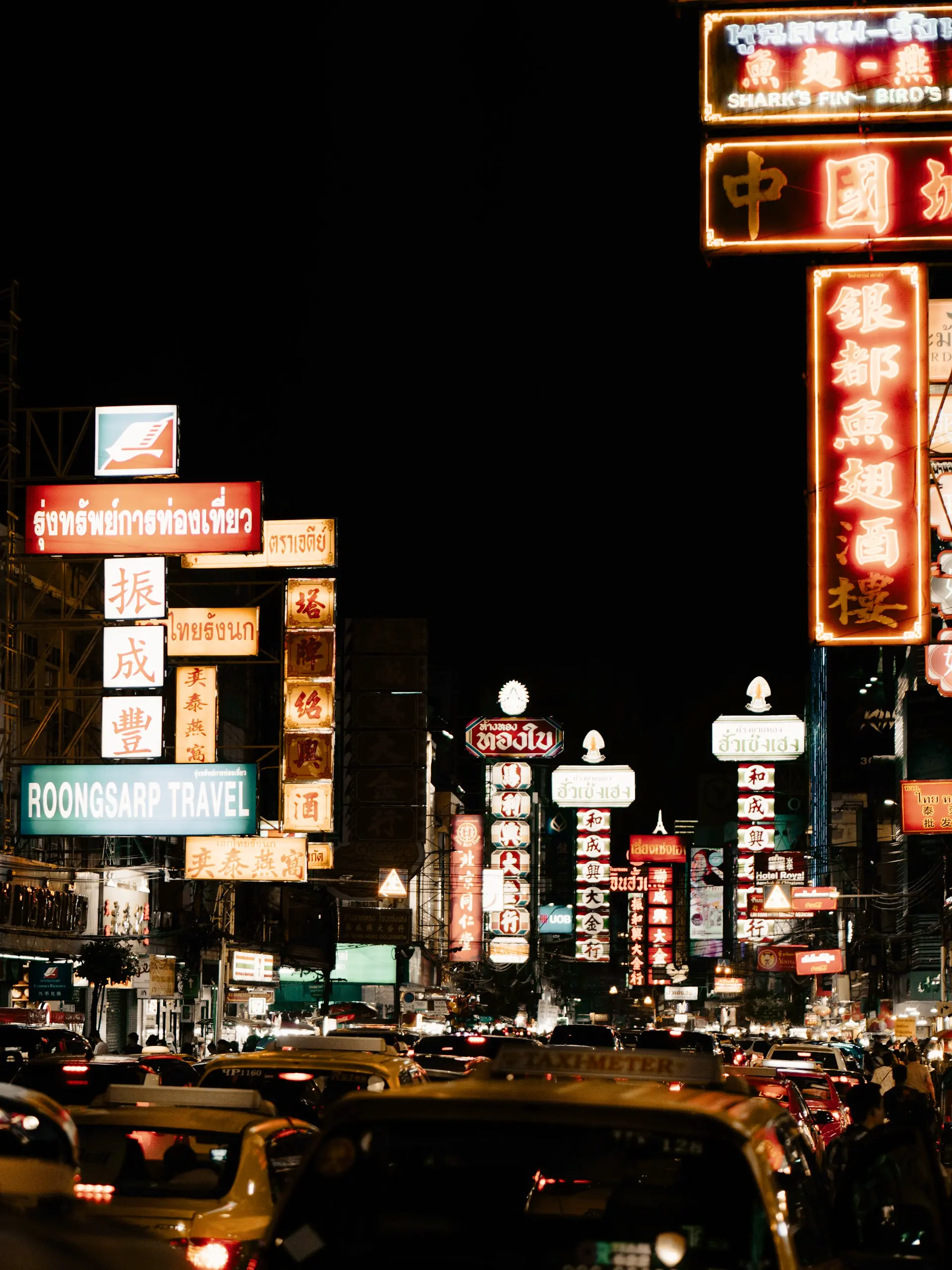
traffic at China Town Bangkok
1155

Tourist Police · English-speaking

191

Emergency · Police

1669

Ambulance · Medical

08 . Stay safe

Safety
& Health

Staying healthy in Thailand is far less dramatic than the internet wants you to believe. With a few smart moves and local insider knowledge, the only thing that’ll knock you off your feet is how incredible it all is.

Before you jet off to paradise, it’s smart to give your body a little extra protection. Chat with your doctor about vaccinations. Hepatitis A, tetanus, and typhoid are usually on the hit list. If you’re planning on exploring off-the-beaten-path areas, Japanese encephalitis might be worth considering. It’s like armor for your body, protecting you from those pesky jungle nasties.

Thailand is home to some seriously stunning scenery, but it’s also a mosquito paradise. These little bloodsuckers can be a real buzzkill (pun intended), so let’s talk about how to outsmart them and stay bite-free like a local:

Repellent is your BFF: Grab Soffel from any 7-Eleven or Watsons. it’s our go-to DEET-based spray. It’s like armor for your skin.

Dress to Impress (the Mosquitoes Less): Cover up with long sleeves and pants, especially during dawn and dusk when mosquitoes are most active.

Choose Your Accommodation Wisely: Opt for rooms with air conditioning or mosquito nets and clear standing water near your stay. We do this at home to keep our patios bug-free.

Soothe the Itch, Thai-Style: Got bitten? Dab on Tiger Balm (white) or Ya Mong (a Thai herbal ointment) or Thai herbal salves like Sambac to relieve itching. These are widely available at pharmacies and 7-Eleven. They work like a charm!

Light Up Mosquito Coils: Grab affordable coils or citronella incense at 7-Eleven or local shops. Perfect for outdoor activities like street food dining

Check Rainy Season: When Thailand’s rainy season (May–October) hits, Aedes mosquitoes throw a breeding bash in puddles and pools, especially in lush spots like rural areas.

The Golden Rule
 

Those pesky Aedes mosquitoes can carry dengue fever, a serious risk with no specific cure. We know the signs—fever, rash, or achy joints—and act fast. If you feel these, head to a clinic ASAP. For mild symptoms, locals swear by staying hydrated and popping paracetamol. Always check with a doctor for safety.

Alright, let’s talk about the real reason we travel: food! Thai cuisine is like an explosion of flavors in your mouth. It’s spicy, sweet, sour, and salty all at once, and it’s totally addictive.

Thai food is known for its kick, and I mean a serious kick. If you’re not a spice lover, make sure to say “mai phed” (not spicy) when ordering. Trust me, your taste buds will thank you. But if you’re feeling adventurous, go for it! Just grab a glass of water and get ready for a flavor explosion.

Thailand’s street food scene is a tantalizing playground for food lovers. From sizzling satay to fragrant pad thai, the aromas and flavors are an assault on your senses in the best possible way. But before you dive headfirst into this culinary adventure, remember: not all street vendors are created equal.

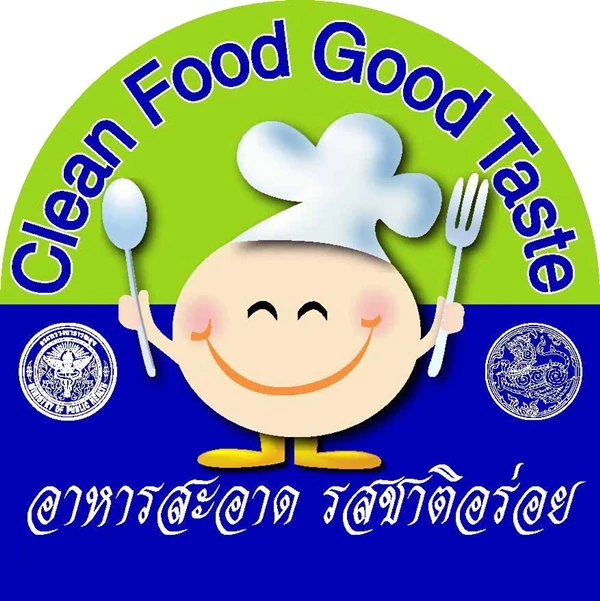
Clean Food Good Taste sign

A surefire way to spot a safe bet is to look for a crowd. Busy stalls are often a good indicator of delicious and fresh food.Even better, keep an eye out for the “Clean Food Good Taste” (CFGT) sign. This government-backed certification means the stall or restaurant has met strict hygiene and food safety standards. It’s like a foodie’s seal of approval!

So, go forth and explore Thailand’s street food scene with gusto, but remember: “Clean Food Good Taste” is your new best friend. Your taste buds and your tummy will thank you.

A Guide to H2O in Thailand

Thailand: a land of smiles, stunning beaches, and… questionable tap water. Don’t let the thought of tummy troubles dampen your spirits! Let’s dive into the murky world of hydration in the Land of Smiles.

While Bangkok’s tap water might technically be safe for consumption, it’s like inviting a stranger into your home without checking their references. You never know what kind of surprises lurk behind those old pipes. And let’s face it, your delicate Western tummy might not appreciate a meet-and-greet with local microbes.

To avoid a watery misadventure, bottled water is your trusty sidekick. It’s cheap as chips and as common as tuk-tuks, so there’s no excuse for dehydration. And while most ice cubes are chill and harmless, it’s best to play it safe and stick to cubed ice. Crushed ice? Well, that’s a gamble you might not want to take.

So, remember, when it comes to hydration in Thailand, bottled water is your passport to a happy tummy and a carefree vacation. Cheers to that!

Thailand’s sunshine is legendary, but it’s easy to get carried away. Slather on that sunscreen, don a hat, and seek shade during peak hours. Trust us, a lobster-red sunburn is not the souvenir you want. And while the allure of crystal-clear waters is irresistible, be mindful of ocean conditions and rip currents. Don’t overestimate your swimming abilities and always be aware of your surroundings. And if you’re planning on water sports, make sure you’re equipped with the proper safety gear. Always swim between the flags and respect the local warnings.

Beyond just sun protection, find out everything you need to comfortably embrace Thailand’s famous humidity in our complete local guide.

Picture this: you’re at a Bangkok intersection, motorbikes zipping around like dragonflies in a monsoon, and traffic lights? Well, they’re more like friendly suggestions. Welcome to Thailand’s roads, where driving feels like a high-stakes muay Thai match—thrilling, unpredictable, and full of local flair! We Thais navigate this chaos with a mix of instinct and confidence, and with our insider tips, you can too (no ninja skills required, we promise).

Thai traffic operates on its own rhythm, unlike the orderly Western roads you might know. Motorbikes weave through gaps like fish in a coral reef, and pedestrian crossings? They’re more of a “wish you luck” zone. Our golden rule? Follow the locals. Watch how we stride across streets with purpose—confident but never reckless. Hesitate, and you’ll miss your moment; rush, and you’re in for a scare.

Local Secrets for Survival


Eye Contact Is Key: Make brief eye contact with drivers to signal your move—it’s like a polite nod in our traffic dance.

Avoid Rush Hour: Bangkok’s 5–7 p.m. traffic is stickier than mango rice—opt for early mornings.

Stay Calm: Panicking throws off the flow. Channel our Thai Jai Yen (cool heart) vibe.

Let’s face it, scammers are everywhere. But with a little awareness, you can outsmart them. Be wary of unsolicited offers, whether it’s a tuk-tuk driver with a “special deal” or a friendly local offering to help you with your ATM. Trust your gut, and if something feels off, it probably is.

Remember, if it seems too good to be true, it usually is. A little caution goes a long way. Enjoy your Thai adventure to the fullest, but stay safe and smart!

Weave Through Thailand’s Heart
Thai culture runs on respect, hierarchy, and harmony — mess these up and you'll feel the awkward silence.
Get them right? You'll unlock experiences tourists never see.
09 · Thai Culture

A Crash Course
in Thai Culture

Want to know the difference between looking like a respectful traveler and that tourist everyone’s politely tolerating? It’s all in understanding a few key cultural moves. We’re not talking about becoming a Thai etiquette expert overnight – just learning enough to avoid accidentally offending someone’s grandmother and maybe earning a few genuine smiles along the way. Think of this as your cultural survival kit: small effort, massive payoff.

The Absolute Don'ts
Critical — violate these at your peril. These are cultural red lines.
01

Never Touch Anyone's Head

The head is sacred real estate in Thailand — it’s where the soul lives. Never touch anyone’s head casually, not even a child’s.
02

Never Disrespect Buddha Images

They are not photo props. No climbing, no pointing feet, no selfies with your back to them.
03

Never Insult the Royal Family

Thailand has strict lèse-majesté laws. Even joking criticism can land you in serious legal trouble. This is enforced.
The Essential Do's
Master these and locals will light up around you.

The Wai (ไหว้)

Palms together, slight bow. Use for greetings, thanks, apologies. Say “Sawasdee ka/krub” with a wai — instant warm welcome.

Temple Etiquette

Cover shoulders and knees. Remove shoes before entering. Sit with feet tucked to the side — never outstretched toward Buddha.

Head & Feet Rules

Feet are the lowest spiritually, head the highest. Never step over someone, point feet at sacred objects, or put feet on furniture.

Smile & Stay Calm

Losing your temper is “hot heart” — the opposite of Thai values. Jai yen yen (cool heart) gets you better service and genuine connection every time.

Communication Quirks

“Maybe” or “up to you” often means they have a preference but are being polite. Watch facial expressions — Thai smiles are multifunctional: happiness, embarrassment, confusion, or “I have no idea what you said.”

Thai Time Philosophy

Social gatherings run on “relationship time” not “clock time.” Starting 30–60 minutes late is normal for social events. This isn’t disrespect — it’s the priority of people over punctuality.

Dess Codes

Temples: covered shoulders and knees required. Upscale restaurants: smart casual minimum. Beach towns: relaxed. Government buildings: formal. When in doubt, cover up — it’s always appreciated.

Questions Answered


Here’s the good news: most travelers get 60 days visa-free automatically when they land in Thailand—that’s double what it used to be! But (and this is the part many websites get wrong), there’s a new mandatory step everyone needs to know about, even if you’re visa-exempt.

Since May 1, 2025, every single foreign visitor must complete the Thailand Digital Arrival Card (TDAC) before entering the country. Think of it as the digital replacement for that little paper form you used to fill out on the plane—except now you do it online within 72 hours before your arrival. Don’t worry, it’s free and takes about 5 minutes on the official immigration website (tdac.immigration.go.th).

Here’s what most first-timers don’t realize: TDAC is NOT a visa—it’s an arrival requirement you need in addition to your visa status. You still get your 60-day stamp when you arrive (assuming you’re from one of the 93 eligible countries), but without completing the TDAC, you’ll face delays at immigration or could even be denied entry. We’ve seen travelers stuck at airport kiosks frantically filling it out while everyone else breezes through—not the start to your Thai adventure you want!

The insider scoop on border runs: If you’re planning to extend your stay by hopping to Cambodia or Laos and coming back (what we call a “visa run”), pay attention—Thailand now limits visa-exempt entries to just 2 times per year by land border. Unlimited entries by air, though. This is a huge change from the old days when people would bounce in and out endlessly.

Pro tips from us:

  • Fill out your TDAC 2-3 days before you fly, not the night before (systems can be glitchy)
  • Save the confirmation PDF to your phone AND print it—some immigration officers prefer paper
  • If you’re traveling as a family or group, you can submit up to 10 people in one form
  • Need to stay longer than 60 days? You can extend for an additional 30 days at any immigration office for 1,900 baht

For digital nomads and remote workers, there’s also the Destination Thailand Visa (DTV)—a 5-year visa that lets you stay up to 180 days per entry for 10,000 baht. It’s perfect if you’re planning to work from our gorgeous beaches or mountain cafes for extended periods.

Bottom line: Skip the visa stress—most visitors are automatically covered for 2 months. Just don’t forget that TDAC form, or you’ll be that person holding up the immigration line! 😅

Let’s cut through the confusion: yes, you might see headlines saying Thailand is getting expensive, but here’s the real story from someone who lives here—Thailand remains incredible value, you just need to understand what’s actually changed.

The “Thailand is expensive now” panic? It’s mostly about currency, not actual prices. The Thai baht strengthened 9% in 2025, making everything feel pricier for foreigners even though local prices barely budged. We’re still eating the same 50-baht pad thai our neighbors pay—it just costs you a bit more in dollars/euros/pounds now. Thailand’s inflation has actually been negative for 10 straight months as of early 2026!

Real daily costs for 2026 (in Thai baht):

Budget Backpacker: ฿1,500-2,000/day ($42-56)

  • Hostel dorm or basic guesthouse: ฿400-800
  • Street food all day: ฿300-500 (that’s 6-10 meals!)
  • Local buses, BTS/MRT, shared minivans
  • Free beaches, temples cost ฿50-100
  • A few drinks at 7-Eleven prices: ฿100-200

Mid-Range Comfort: ฿3,000-4,000/day ($84-112)

  • Nice hotel or boutique guesthouse: ฿1,500-2,500
  • Mix of street food + air-con restaurants: ฿600-800
  • Grab rides, some domestic flights
  • Museum entries, cooking classes, island tours
  • Drinks at rooftop bars: ฿300-500

Luxury Splurge: ฿8,000+/day ($225+)

  • Beach resort or 5-star hotel: ฿4,000-10,000
  • Fine dining and hotel restaurants: ฿1,500-3,000
  • Private drivers, first-class trains
  • Premium diving trips, helicopter tours
  • Sky bar cocktails and club entry

What actually got more expensive in 2026:

  • Airport Passenger Service Charge jumped from ฿730 to ฿1,120 (about $11 more per flight)
  • Proposed 300-baht entry fee for tourists arriving by air (still being debated—check before you fly)
  • Hotels in Bangkok and Phuket during major events like Tomorrowland music festival

What’s still ridiculously cheap:

  • Street food (฿40-80 per meal—seriously, a feast!)
  • Local transportation (BTS day pass: ฿140 unlimited rides)
  • Massage (฿200-300 for an hour of bliss)
  • Temple entry (most are ฿100-200, many are free)
  • Local markets and authentic experiences

The insider trick we use: Want to know if you’re paying Thai prices or tourist prices? Look around—if you see mostly foreigners, you’re in tourist pricing territory. Walk two blocks away and prices often drop 40%. That ฿150 pad thai at a beach restaurant? It’s ฿50 at the shop where Thai families eat.

Real example: Two weeks in Thailand for a couple can range from:

  • Super budget: $1,400-1,800 total (hostels, street food, buses)
  • Comfortable: $2,800-3,600 total (nice hotels, restaurants, some splurges)
  • Luxury: $6,000+ total (resorts, fine dining, private everything)

Pro tip: The exchange rate currently sits around ฿36 per dollar. Use ATMs for the best rates (yes, there’s a ฿220 fee per withdrawal, but it beats currency exchange booths). Maximize each withdrawal to minimize fees.

And here’s something most blogs won’t tell you: where you spend matters more than how much. Stay in Chiang Mai instead of Phuket? You’ll spend 30-40% less. Eat where Thai people eat instead of tourist zones? Another 50% savings. Visit in July instead of December? Hotels drop 40-60%.

Bottom line: Thailand in 2026 is still a bargain compared to most destinations worldwide. That stronger baht just means you’ll spend $60/day instead of $50/day for the same incredible experience. For the beaches, food, culture, and warmth you get? Still the deal of the century. 🌴

Forget the simple “November to February” answer you see everywhere—Thailand’s weather is WAY more complicated than that, and honestly, the “best” time depends on what you want to experience and where you’re going. Let me break it down the way we Thai people actually think about seasons.

The truth about Thailand’s seasons:

Cool & Dry (November-February) – Peak Season ⭐ This is when everyone says to visit, and yeah, the weather is gorgeous: comfortable temps (23-30°C), almost zero rain, blue skies everywhere. Perfect for temples, beaches, hiking, literally everything.

BUT (here’s what they don’t tell you):

  • Prices spike 50-100% for hotels
  • Major destinations are absolutely packed with tourists
  • Beaches can feel like rush hour
  • Book everything 2-3 months ahead or you’ll pay premium prices

Is it worth it? If it’s your only vacation time and you want guaranteed good weather, yes. But if you have flexibility, keep reading…

Hot Season (March-May) – The Oven 🔥 March through May turns Thailand into a furnace—we’re talking 35-40°C+ (95-104°F) with brutal humidity. But before you skip this entirely:

AVOID THIS TIME IF:

  • You’re visiting northern Thailand (March-April is “burning season” when farmers burn fields—the air quality gets dangerous, like PM2.5 over 200. Your eyes will sting and the mountains disappear in haze)
  • You hate extreme heat

BUT—April is Songkran (Thai New Year, April 13-15)! The entire country turns into the world’s biggest water fight. If you can handle the heat, this is THE most fun cultural experience in Thailand. We’re talking water guns, foam parties, and strangers drenching each other with pure joy on every street corner. Chiang Mai goes absolutely wild.

Rainy Season (June-October) – The Secret Weapon 🌧️ Here’s where most travel guides get it wrong: they tell you to avoid the “monsoon season” completely. That’s terrible advice if you’re trying to avoid crowds and save money!

Reality check from someone who lives here:

  • Rain usually comes as a 1-2 hour downpour in late afternoon, then clears up
  • You still get 4-6 hours of sunshine most days
  • Waterfalls are SPECTACULAR (not sad trickles like in dry season)
  • Jungle is emerald green, everything’s lush
  • Hotels cost 40-60% less
  • Tourist sites are pleasantly empty

The catch: September and October are the genuinely wettest months with potential flooding in Bangkok and rough seas that cancel boat tours. This is the only time we’d say reconsider.

Here’s the REAL insider secret nobody tells you:

Thailand has TWO different coastal weather patterns:

West Coast (Andaman Sea) – Phuket, Krabi, Phi Phi:

  • Best: November-April
  • AVOID: July-October (monsoon storms, rough seas, many hotels close)

East Coast (Gulf of Thailand) – Koh Samui, Koh Phangan, Koh Tao:

  • Best: January-August
  • Wettest: October-November (but still manageable!)

This means when Phuket is being hammered by rain in August, Koh Samui is sunny and perfect! Most tourists don’t know this, so they miss out on stunning beach weather just because they picked the wrong coast.

Our honest recommendation by traveler type:

🏖️ Beach lovers: December-February for Andaman coast, June-August for Gulf coast 🎨 Culture seekers: November (Loy Krathong lantern festival!) or February 💰 Budget travelers: June-August or late October (best value + decent weather) 👨‍👩‍👧 Families: December-January (school holidays align, reliable weather) 🎉 Party people: April for Songkran, December for Full Moon Party 📸 Photographers: October-November (green season, fewer tourists, dramatic skies)

The weather mistake EVERYONE makes: Booking northern Thailand (Chiang Mai, Chiang Rai) for March-April because it’s “dry season.” Wrong! That’s burning season with hazardous air quality. Go November-February instead for cool mountain weather and clear skies.

Pro tip: Want the absolute best balance of good weather, reasonable prices, and fewer crowds? Late October through early December is the sweet spot. Rain stops, cool season begins, but peak tourist season pricing hasn’t kicked in yet.

Bottom line: There’s genuinely no “bad” time to visit Thailand—just different tradeoffs. We have sun somewhere, always. The key is matching your dates to the right region and managing your expectations. And honestly? Some of our favorite travel memories happened during “off-season” when we had whole beaches to ourselves. 🌴


Let’s address the elephant in the room first: yes, you’ve probably seen headlines about the Thailand-Cambodia border conflict. Here’s what you actually need to know: Thailand is safe for tourists in 2026, but let’s be straight about what’s going on and what it means for your trip.

The border situation (what’s really happening):

Since mid-2025, there have been military clashes along specific sections of the Thai-Cambodia border over disputed territory. A fragile ceasefire took effect December 27, 2025, but tensions remain. International travel advisories say “do not travel” within 50 kilometers of border provinces like Sa Kaeo, Surin, Buriram, and parts of Trat.

Here’s the reality check:

  • This affects less than 5% of Thailand’s land area in remote rural zones
  • Major tourist destinations like Bangkok, Chiang Mai, Phuket, Krabi, Koh Samui, Pattaya, Ayutthaya—completely unaffected and operating normally
  • We’re talking hundreds of kilometers away from anywhere tourists typically go
  • All land border crossings to Cambodia are closed, but you can still fly between countries

One exception to watch: Koh Chang and Koh Kood (islands in Trat province near Cambodia) are geographically safe but technically fall within advisory zones, which can affect travel insurance coverage. Check your policy carefully if heading there.

Unless your itinerary specifically includes overland border crossings to Cambodia or temple-hopping along the frontier, this conflict will not impact your trip at all.

The stuff that actually affects tourists (that we see every day):

1. Traffic and transportation 🚗 Real talk: Thailand has one of the world’s highest road accident rates. This is the #1 actual safety concern we worry about for visitors.

What we tell friends:

  • Avoid renting motorbikes unless you’re an experienced rider (we see tourists with road rash constantly)
  • If you do ride: WEAR A HELMET. Police fines are ฿500, but head injuries cost way more
  • Use Grab/Bolt instead of random street taxis
  • On islands, be extra careful—narrow roads, drunk drivers, and steep hills are a bad combo

2. Scams (annoying but rarely dangerous) 🎭 Common tourist traps we Thai people spot from a mile away:

  • Gem scams: Friendly stranger tells you about “once-in-a-lifetime” jewelry deal. Spoiler: it’s fake
  • Tuk-tuk “grand palace is closed” scam: They’ll take you to overpriced shops instead
  • Jet ski damage scams: In Pattaya/Phuket, operators claim you damaged their jet ski
  • Taxi meter tricks: “Meter broken, fixed price” = you’ll pay 3x normal
  • Ping pong show overcharging: The free show costs ฿4,000 after forced drink purchases

How to avoid (Thai people way):

  • If it sounds too good to be true, it is
  • Always use metered taxis or Grab
  • Check Google reviews before committing to tours
  • Buy gems and jewelry at certified shops only (not from strangers on the street!)

3. Solo female travelers 👩 Thailand is generally safe for women traveling alone—we have lots of solo female travelers here. But use common sense:

  • Don’t accept drinks from strangers (drink spiking happens in tourist party zones)
  • Avoid walking alone on empty beaches at night
  • Use hotel safes for valuables
  • Trust your gut—if something feels off, it probably is

4. Petty theft 💼 Pickpocketing and bag-snatching happen in crowded areas (markets, temples, public transport). Not violent, just opportunistic.

Thai local tips:

  • Wear crossbody bags in front, not dangling off one shoulder
  • Don’t flash expensive phones/cameras in busy areas
  • Hotel room safes exist for a reason—use them!

5. Natural hazards 🌊

  • Rip currents: Red flags on beaches mean DO NOT SWIM. Every year tourists ignore this and get in trouble
  • Jellyfish: Box jellyfish season (November-March) on some beaches—look for warning signs
  • Monkeys: They bite and steal! Don’t feed them or leave food visible (looking at you, selfie-takers at temples)

When to worry about political instability: Thailand has a history of political protests, but 99.9% of the time they’re peaceful and localized to specific government buildings in Bangkok. As a tourist, you’ll never even know they’re happening. If something big is going on, avoid protest sites and follow local news.

Terrorism risk: Yes, travel advisories mention potential terrorism, but statistically you’re far more likely to have a motorbike accident than encounter violence. Southern provinces (Yala, Pattani, Narathiwat) have ongoing insurgent activity—but these aren’t tourist areas anyway. Bangkok, Phuket, Chiang Mai remain extremely safe.

Emergency numbers to save:

  • Tourist Police: 1155 (English-speaking, super helpful)
  • Emergency: 191
  • Ambulance: 1669

Our honest assessment: Thailand welcomes 36+ million tourists annually in 2026 for a reason—it’s one of the safest places in Southeast Asia. The biggest risks you face are sunburn, food-related stomach issues (bring Imodium!), and getting ripped off by a taxi driver. The stuff that makes international news? Statistically irrelevant to your beach holiday.

Final insider tip: Thai people are helpful by nature. If you’re lost, concerned, or something feels sketchy, ask a local shop owner or hotel staff. We’ll steer you right. That’s not propaganda—it’s genuinely how we are. Welcome to the Land of Smiles. 🙏

Okay, time for some real talk: you could spend a YEAR in Thailand and still not see everything. So let’s skip the generic “visit Bangkok, see temples, go to beach” advice and give you what we actually recommend to friends visiting for the first time—the perfect mix of must-sees and authentic experiences that capture what makes Thailand special.

The “Can’t-Miss” Trifecta (seriously, don’t skip these):

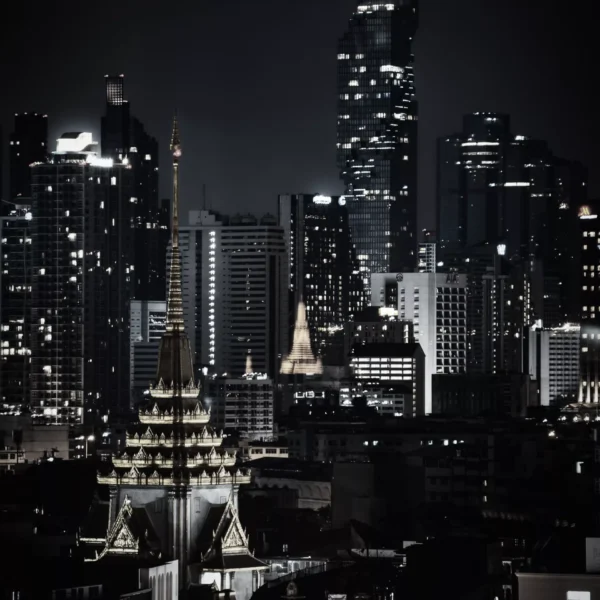
1. BANGKOK – Chaotic, Beautiful Madness 🏙️ You need at least 2-3 days here, but not for the reasons you think.

Do this:

  • Grand Palace & Wat Pho (yes, touristy, but the 46-meter reclining Buddha is genuinely jaw-dropping)
  • Wander Chinatown at night – Yaowarat Road after dark is pure sensory overload in the best way. The street food scene here is where Thai people actually eat
  • Take a long-tail boat through the canals (khlongs) – this is the Bangkok tourists miss, floating through local neighborhoods
  • Hit a rooftop bar at sunset – Lebua Sky Bar, Octave, or Vertigo. The city lights up like magic

Skip this:

  • Khao San Road (unless you want bad tattoos and banana pancakes)
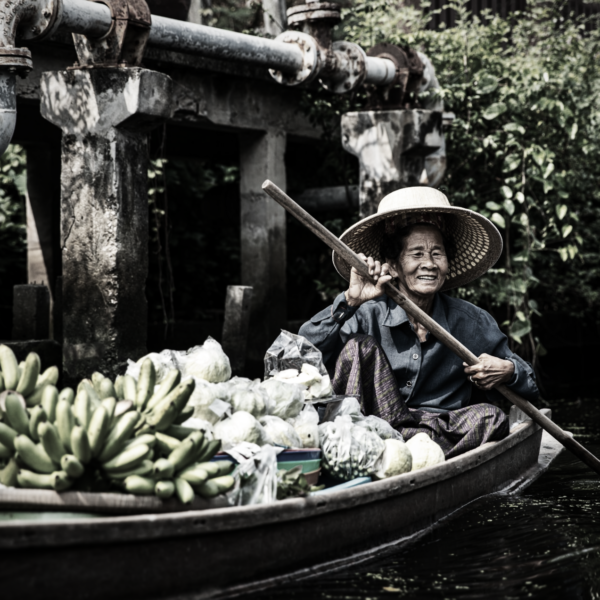
  • “Floating markets” within an hour of Bangkok—they’re all tourist traps now

Insider move: Eat where you see Thai people queuing. Those makeshift street stalls with plastic chairs and zero English menus? That’s where the good stuff is.

2. NORTHERN CULTURE – Chiang Mai or Chiang Rai 🏔️

Chiang Mai (the classic choice):

  • Old City temple-hopping – over 300 temples, pick 3-4 favorites. Wat Phra That Doi Suthep at sunrise = chef’s kiss
  • Night markets – Saturday Walking Street is better than Sunday for authentic crafts
  • Ethical elephant sanctuary – DO NOT ride elephants. Book a place where you feed/bathe them instead (Elephant Nature Park or similar)
  • Take a Thai cooking class – you’ll learn 5-6 dishes and leave with recipes

TIMING ALERT: Avoid March-April (burning season—air quality is hazardous). Go November-February or June-September instead.

Chiang Rai (the hidden gem alternative):

  • White Temple (Wat Rong Khun) – looks like it shouldn’t exist in real life
  • Blue Temple (Wat Rong Suea Ten) – Instagram gold
  • Golden Triangle – where Thailand, Myanmar, and Laos meet

3. BEACHES & ISLANDS – Your Tropical Reward 🏖️

Here’s where first-timers mess up: they try to island-hop too much and spend more time on ferries than beaches. Pick ONE island zone and commit.

West Coast (Andaman Sea) – Best November-April:

Phuket: Big, developed, something for everyone

  • Patong if you want nightlife and chaos
  • Kata/Karon for families and swimming
  • Old Phuket Town for colorful streets and local food
  • Day trip to Phi Phi Islands – but stay in Phuket (Phi Phi is overrun and expensive)

Krabi: More laid-back than Phuket

  • Railay Beach (only accessible by boat, limestone cliffs everywhere)
  • Four Islands boat tour
  • Rock climbing if you’re into that

East Coast (Gulf of Thailand) – Best January-August:

Koh Samui: The “developed but still nice” island

  • Chaweng for beach action
  • Lamai for middle-ground vibes
  • Fisherman’s Village for boutique feels

Koh Tao: The diving island (cheapest place in Southeast Asia to get certified!)

Koh Phangan: Beyond the Full Moon Party (yes, there’s more!)

  • Northern beaches are peaceful and gorgeous
  • Bottle Beach feels like a secret

The Hidden Gems (What Thai People Would Add):

For Culture Nerds:

  • Ayutthaya – ancient capital, rent a bicycle and explore temple ruins (day trip from Bangkok)
  • Sukhothai – even older ruins, way fewer tourists
  • Lopburi – the monkey city (literally monkeys everywhere!)

For Food Explorers:

  • Take a street food tour – don’t just wing it, get a guide who knows the hidden spots
  • Night markets – every city has them, this is where we Thai people hang out
  • Learn regional differences – Southern food is spicy + coconutty, Isaan (northeast) is SPICY + sour, Northern is mild and herby

For Nature Lovers:

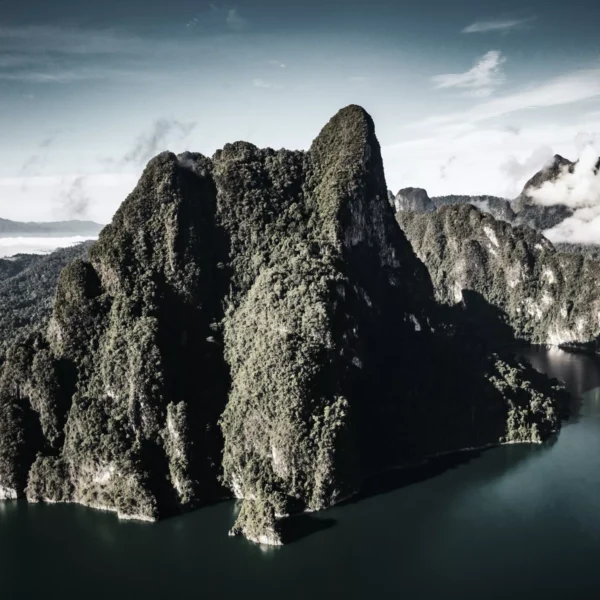
  • Khao Sok National Park – jungle, limestone karsts, floating bungalows on emerald lakes
  • Erawan National Park – 7-tiered waterfall you can actually swim in
  • Pai (northern Thailand) – hippie mountain town with waterfalls and hot springs

For Authentic Experiences (Thai-People Secret):

  • Stay in a homestay (at least one night) – experience village life
  • Visit during a festival – Loy Krathong (November) or Songkran (April)
  • Get a traditional Thai massage – not the tourist spa, find the ฿200/hour places locals use
  • Take a train journey – overnight sleeper from Bangkok to Chiang Mai is an experience

What to Skip (we’re being honest):

  • Tiger Kingdom – ethical concerns, skip it
  • Most “authentic village tours” – often staged performances for tourists
  • Pattaya – unless you’re into go-go bars and Russian beach resorts
  • Koh Phi Phi overnight stay – beautiful for day trip, overpriced hellscape to stay

The Perfect First-Timer 10-Day Itinerary:

  • Days 1-3: Bangkok (temples, street food, rooftop bars)
  • Days 4-6: Chiang Mai (culture, cooking class, elephant sanctuary)
  • Days 7-10: Beach time (pick Phuket + Phi Phi day trip OR Koh Samui)

Insider tips we wish tourists knew:

  1. Dress properly for temples – shoulders/knees covered, shoes off. It’s about respect, not rules
  2. Learn basic Thai phrases – “Sawasdee krap/ka” (hello), “Khop khun krap/ka” (thank you). We light up when tourists try
  3. Don’t touch people’s heads – it’s sacred in Thai culture
  4. Take your shoes off when entering homes/some shops (look for piles of shoes outside)
  5. Smile and stay calm – losing your temper (“hot heart”) makes everything worse. Keep cool (“jai yen yen”) and you’ll get better service

The real secret: Thailand isn’t about checking attractions off a list—it’s about the in-between moments. Stumbling into a random night market. Chatting with a food vendor who speaks zero English but insists you try her som tam. Getting slightly lost in temple backstreets. That’s the Thailand that’ll make you book your next trip before you’ve even left.

Bottom line: First-timers should hit the big three (Bangkok, North, Beach), then use your remaining time following your vibe. Culture lover? Extra days in Chiang Mai. Beach bum? More island time. Foodie? Stay in Bangkok and eat your way through every neighborhood.

Whatever you choose, you’re going to fall in love with Thailand. Everyone does. See you here soon! 🙏✨