
You've Seen
Thailand.
But Have You
Met Her Soul?
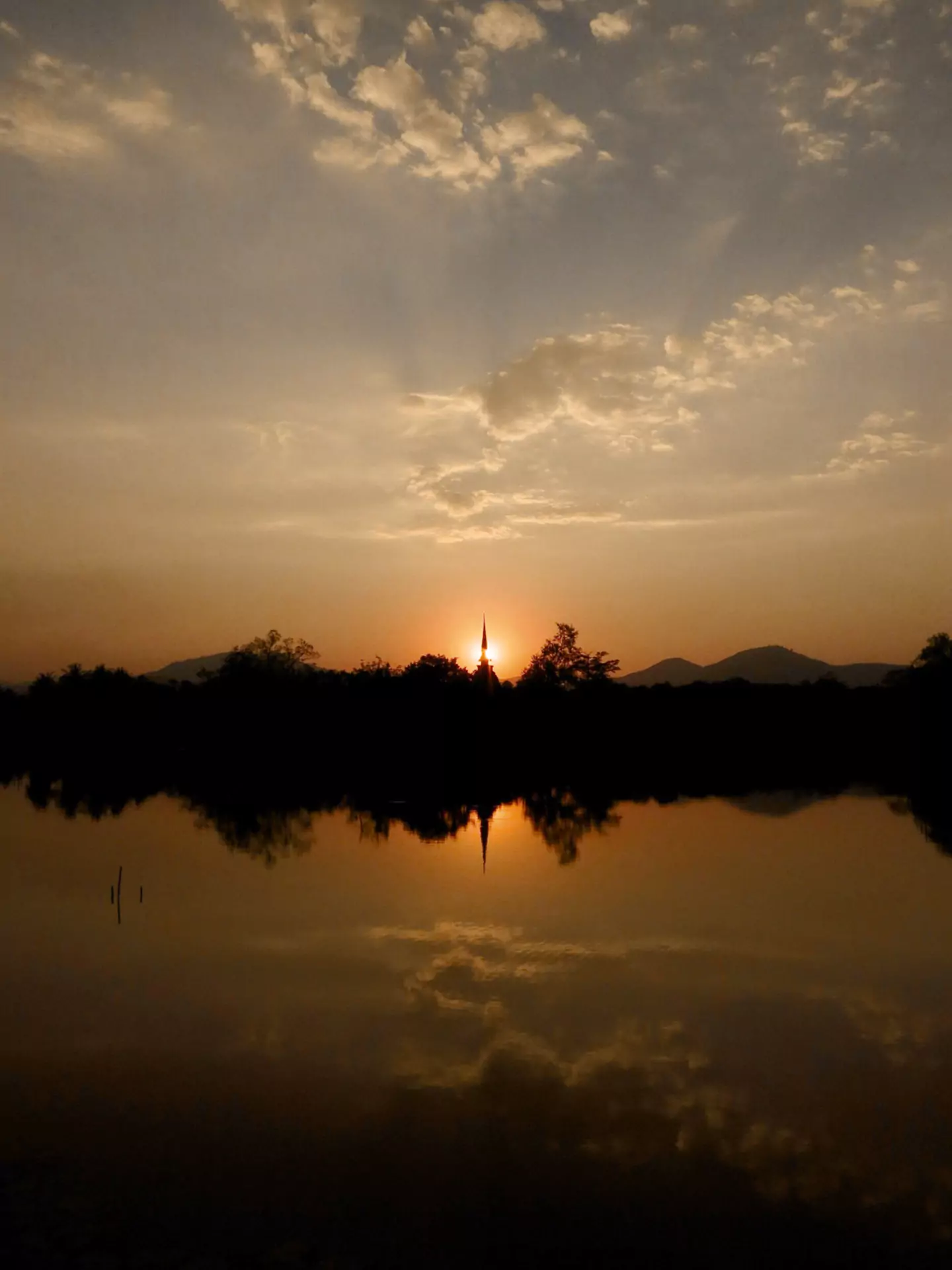
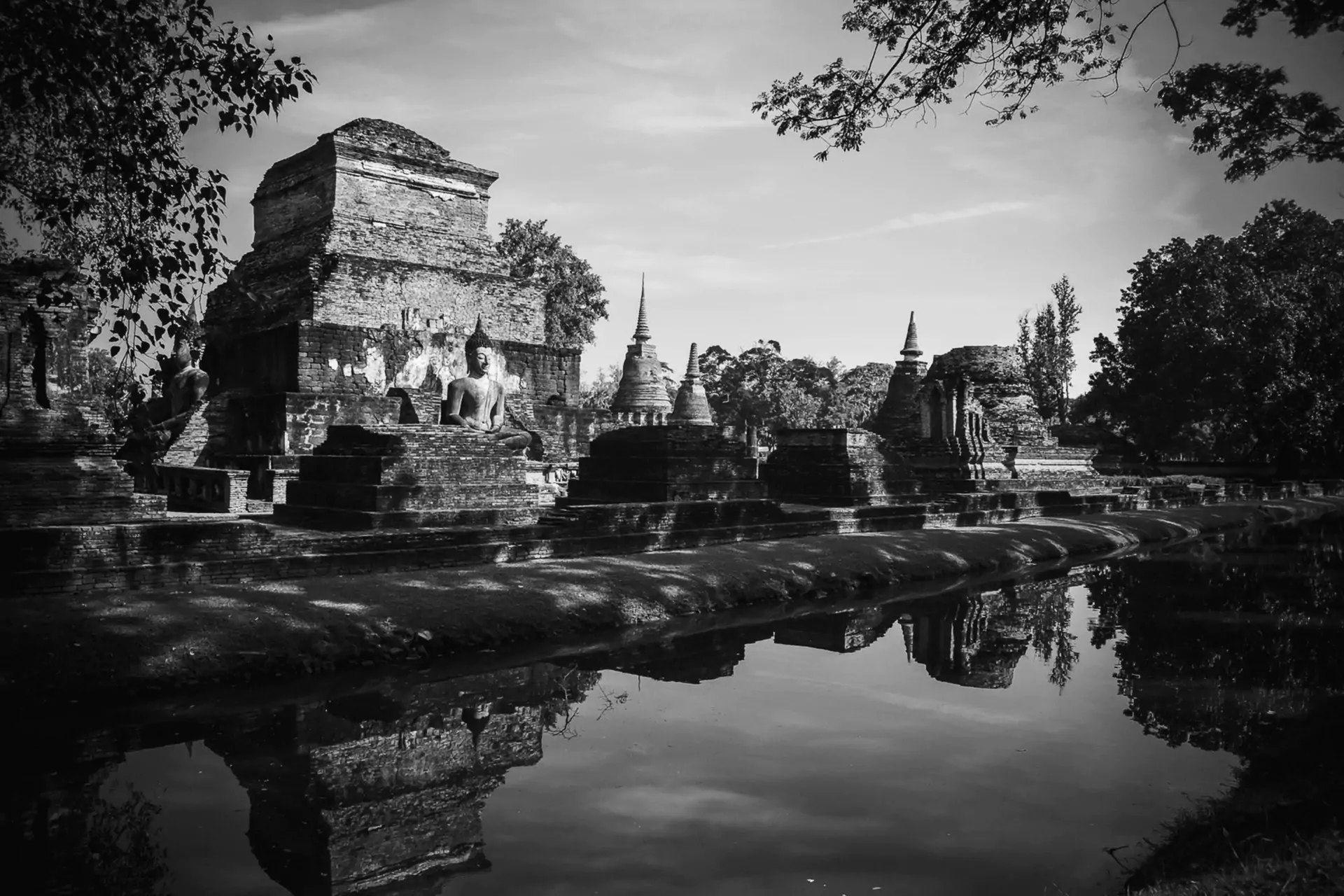
Most people arrive in Sukhothai with a bicycle, a map, and a list of temples to photograph before lunch. We understand. The ruins are magnificent. The light is extraordinary. The reflections in the ancient ponds at golden hour look almost unreasonably beautiful — like Thailand commissioned a painting of itself and forgot to hang it indoors. But here's what the map doesn't tell you.
Standing in Sukhothai with my parents, something happened that no guidebook prepared me for. I wasn't just visiting a historical park. I wasn't "doing the ruins." I was remembering — in the deepest, most cellular way — where we were.
I touched the ancient stone walls and felt it immediately. That sudden, inexplicable chill running straight through my hand and into my chest. That wasn't the temperature dropping. That was 800 years of Thai history recognizing me.
This is what Sukhothai does to Thais. Not loudly. Not all at once. But with the quiet certainty of something that has been waiting — patiently — for you to finally show up and remember.
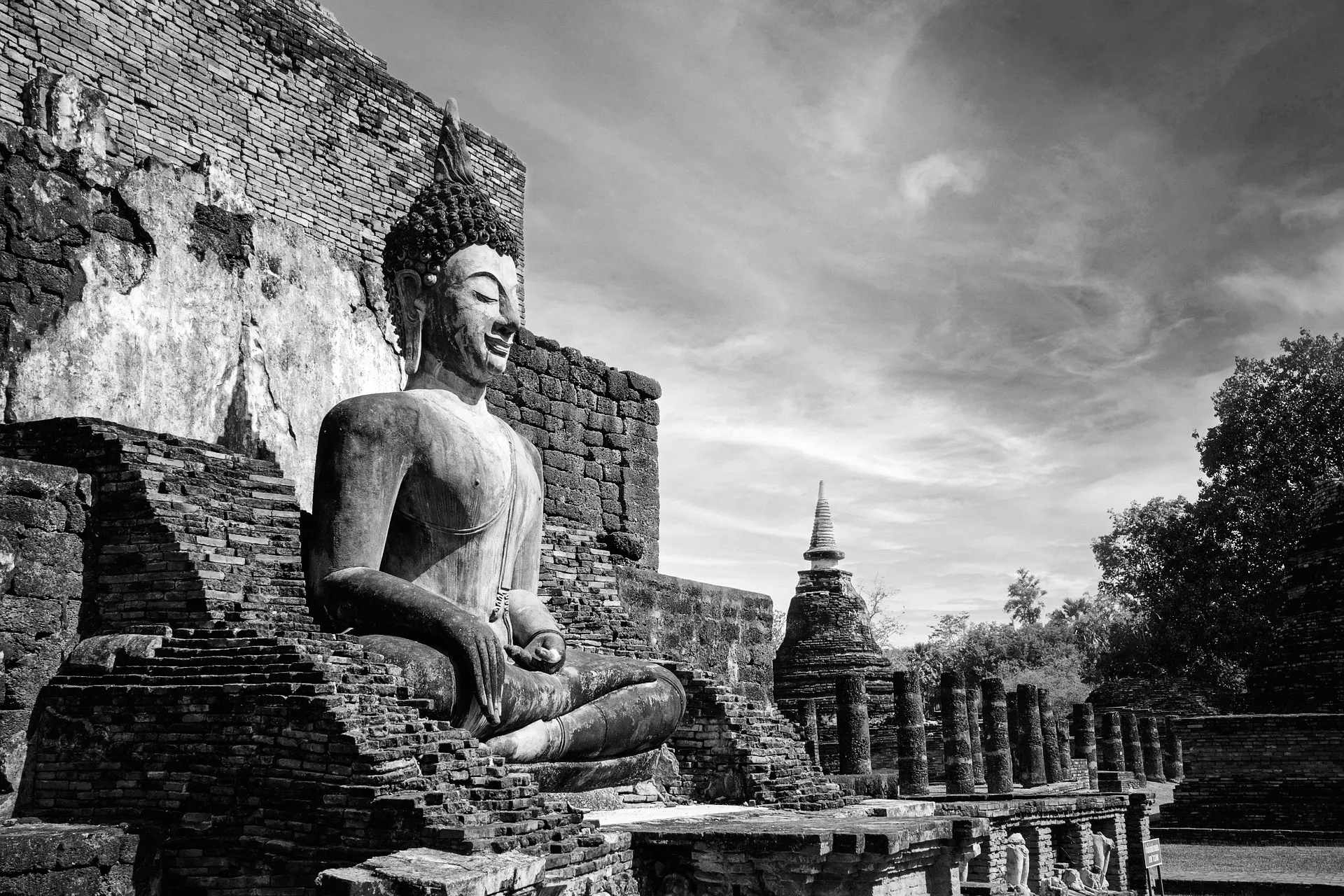
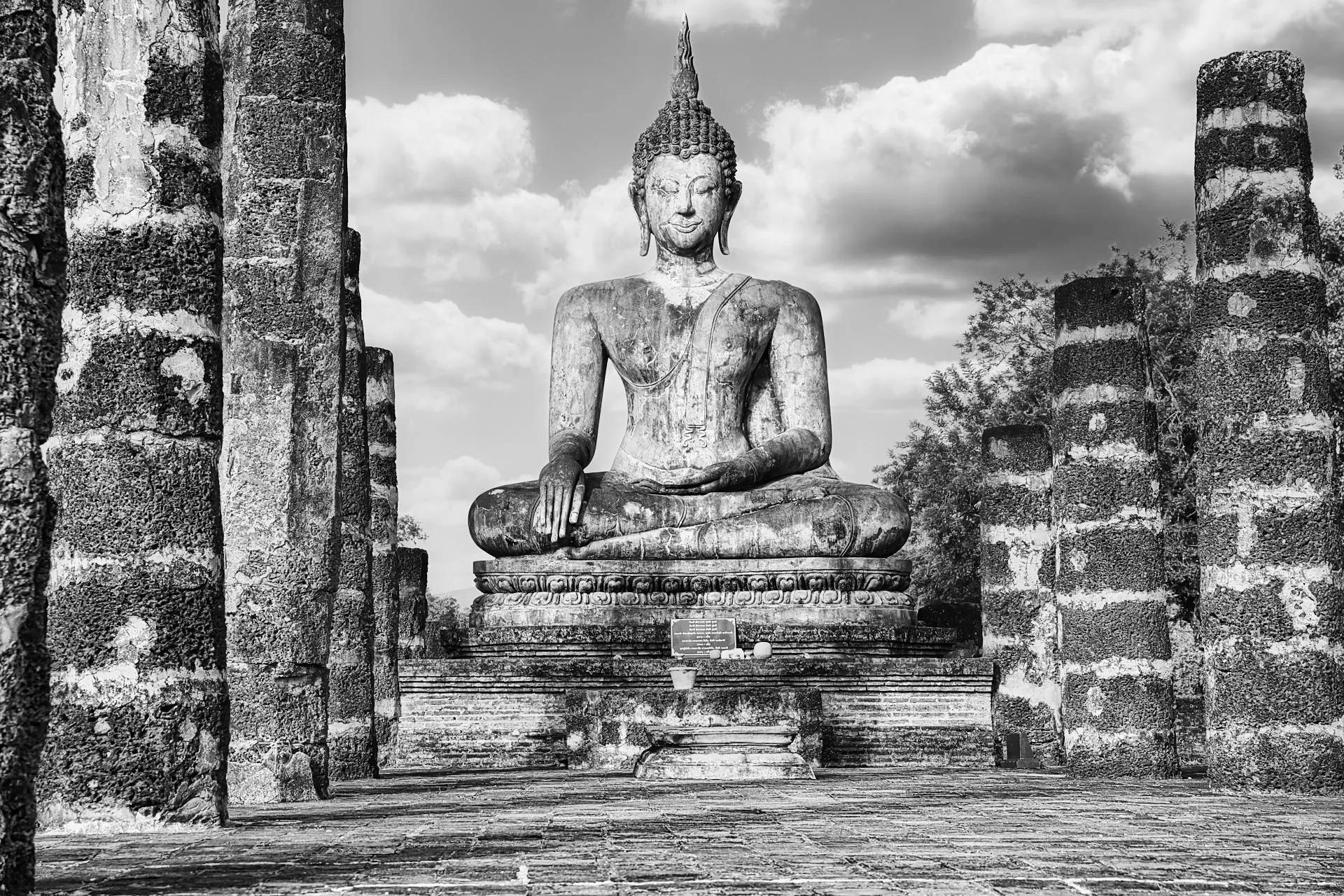
Because Sukhothai isn't just where Thailand's history began. It's where Thailand's identity was born. The language spoken around you — invented here. The Buddha images you'll photograph — their distinctive grace, their expression of absolute compassion — perfected here. Seven centuries of Thai life, the way we speak, pray, and move through the world, were shaped in this place and passed forward so faithfully that we carry them still.
Now you know.
Sukhothai doesn't shout. It doesn't perform. It simply exists — completely, profoundly, unhurriedly — the way a grandfather exists. The way wisdom exists. Quietly certain of what it is, utterly unbothered by whether you notice.The ruins don't mourn. They simply are
Touch the stones. Be quiet for a moment. Feel whatever moves through you. That feeling has a name.
It’s called understanding where you are.
of remembered itself.
The First Kingdom,
Real Numbers.
Chaos level zero. Soul level immeasurable.
The numbers explain themselves.
The first unified Thai kingdom, right here in this valley. Already ancient when most of the world hadn't heard of Thailand yet.
Spread across five zones in the UNESCO World Heritage Park. Most tourists see about twelve. You're going to do better than that.
Covers everything beautifully — accommodation, the park, three meals, transport. Yes, everything. Sukhothai doesn't charge you for its soul.
Far enough that tourists don't come by accident. Close enough that you have absolutely no excuse. Six hours by bus. Worth every kilometre.
Pleasantly Unhurried. The loudest sound at 7 AM is monks chanting and bicycle wheels on gravel. This is a feature, not a bug.
The festival originated here. Their version, with the historical park as backdrop, is the one that will make you cry. In a good way, we promise.
Cool season. 20–28°C. Clear skies. Cycling the historical park won't make you question your life choices. November brings Loi Krathong.
AM. Non-negotiable. The historical park at dawn is a completely different, completely transformative experience. Set it now. Thank yourself later.
800 Years
Knew Exactly
What It Was
Doing.
Sukhothai doesn't try to impress you. That's exactly how you know it's the real thing.
Every famous Thai city has a personality built at least partially for visitors. Bangkok performs. Chiang Mai curates. Phuket sells. But Sukhothai? Sukhothai was already complete before the first tourist bus arrived. It has an 800-year head start on knowing exactly who it is — and it's not about to change that for your Instagram feed.
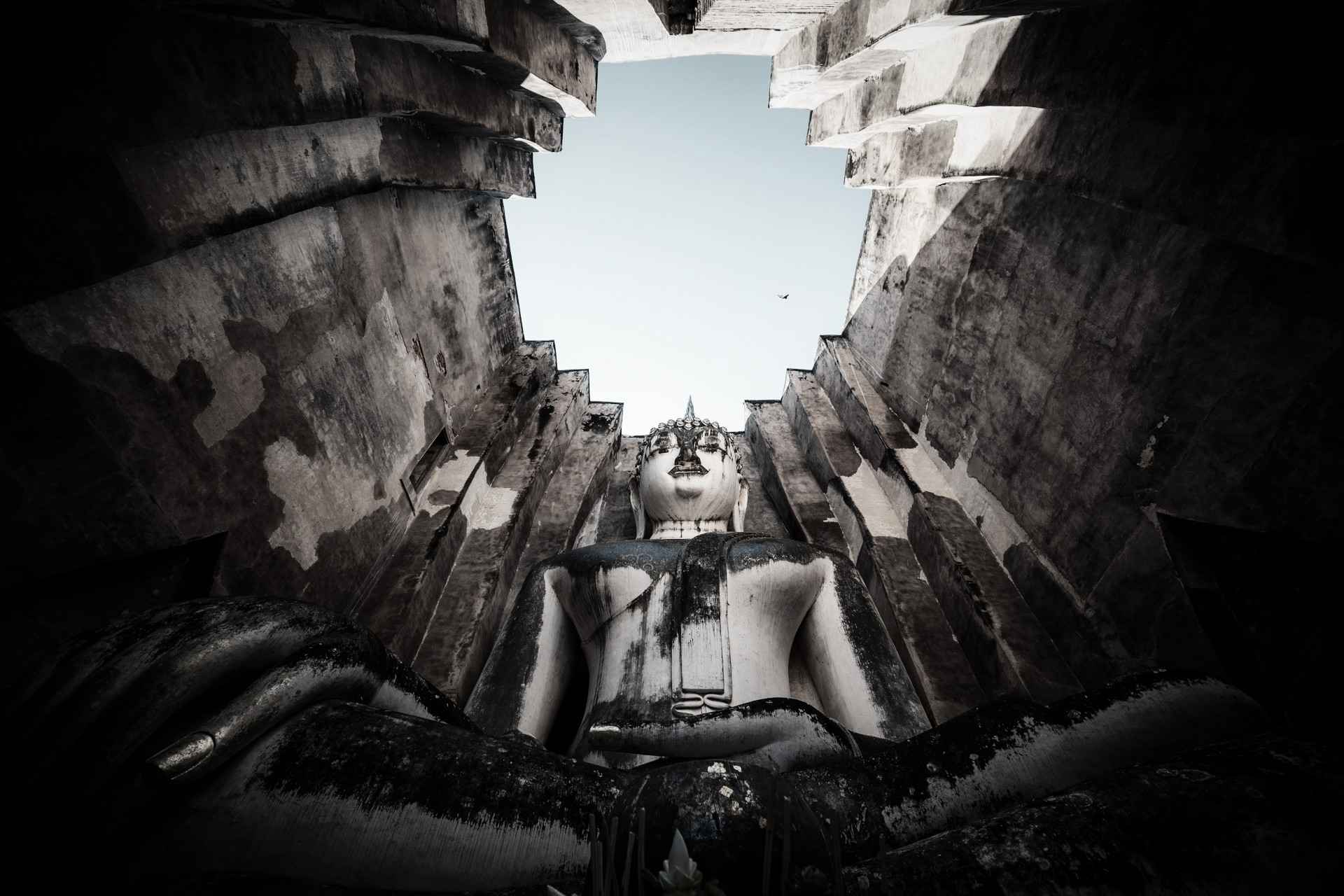
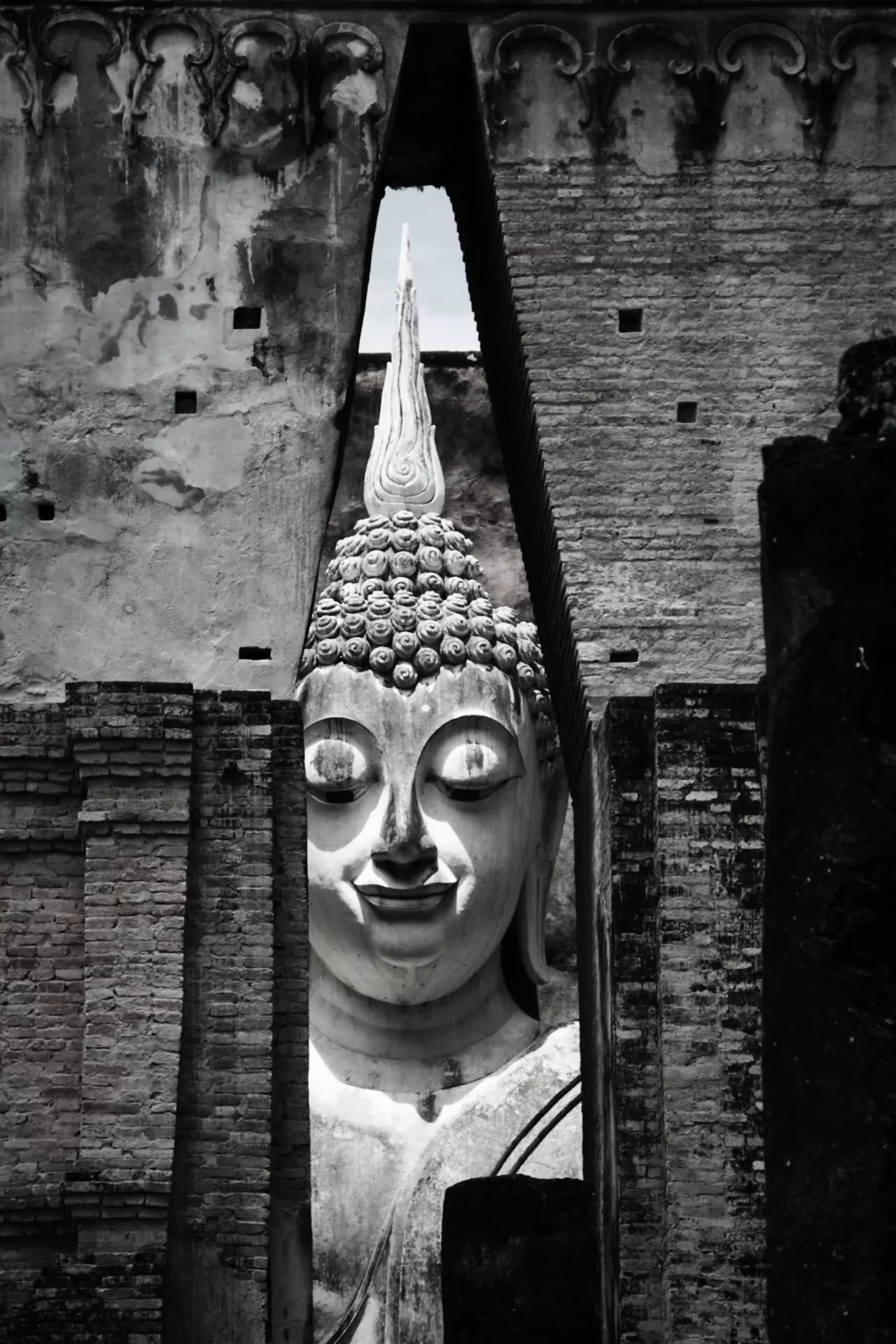
This was the first capital of the first unified Thai kingdom, founded around 1238 CE. The name itself — สุโขทัย — translates as "Dawn of Happiness." The Thai alphabet was created here. The distinctive Walking Buddha was perfected here. The spiritual, political, and cultural DNA of everything we call "Thai" was written here, in this valley, in this red laterite stone.
Then the kingdom fell. The jungle crept in. The stones settled into the earth. And for centuries, Sukhothai did what all true sages do in times of loss — it waited. Quietly. Knowing its worth.
Sukhothai people operate on a frequency visitors often mistake for shyness. It isn't shyness. It's dignity. There's a quiet pride here that doesn't need validation from outside. Approach with genuine curiosity and genuine respect, and Sukhothai locals will give you more warmth and insider knowledge than anywhere in Thailand. The city reads you. The city always reads you.
This Is Its Expression.
This Is Where
Thai-ness
Was Invented.
The people who would become Thai were scattered — under Khmer rule, navigating a fractured landscape. Then the Sukhothai Kingdom rose. King Ramkhamhaeng didn't just build a kingdom. He built a culture. He created the Thai script, giving us our own written language for the first time. The artistic, administrative, and spiritual DNA of everything we call "Thai" crystallised here, in this valley, in the 13th century.
When you walk through the Sukhothai Historical Park, you are not visiting a museum. You are walking through the womb of Thai civilisation. Every spirit house. Every Buddha image. Every Songkran water blessing. Every krathong ever floated. It all began here. That's not tourism. That's pilgrimage.
Sukhothai's Buddhism isn't decorative. It's structural — it holds the entire culture together the way laterite stone holds the ancient chedis together. Monks still walk alms rounds through the Old City at dawn. When you visit these temples, you're not entering a monument. You're entering an ongoing conversation between the living and the ancestors.
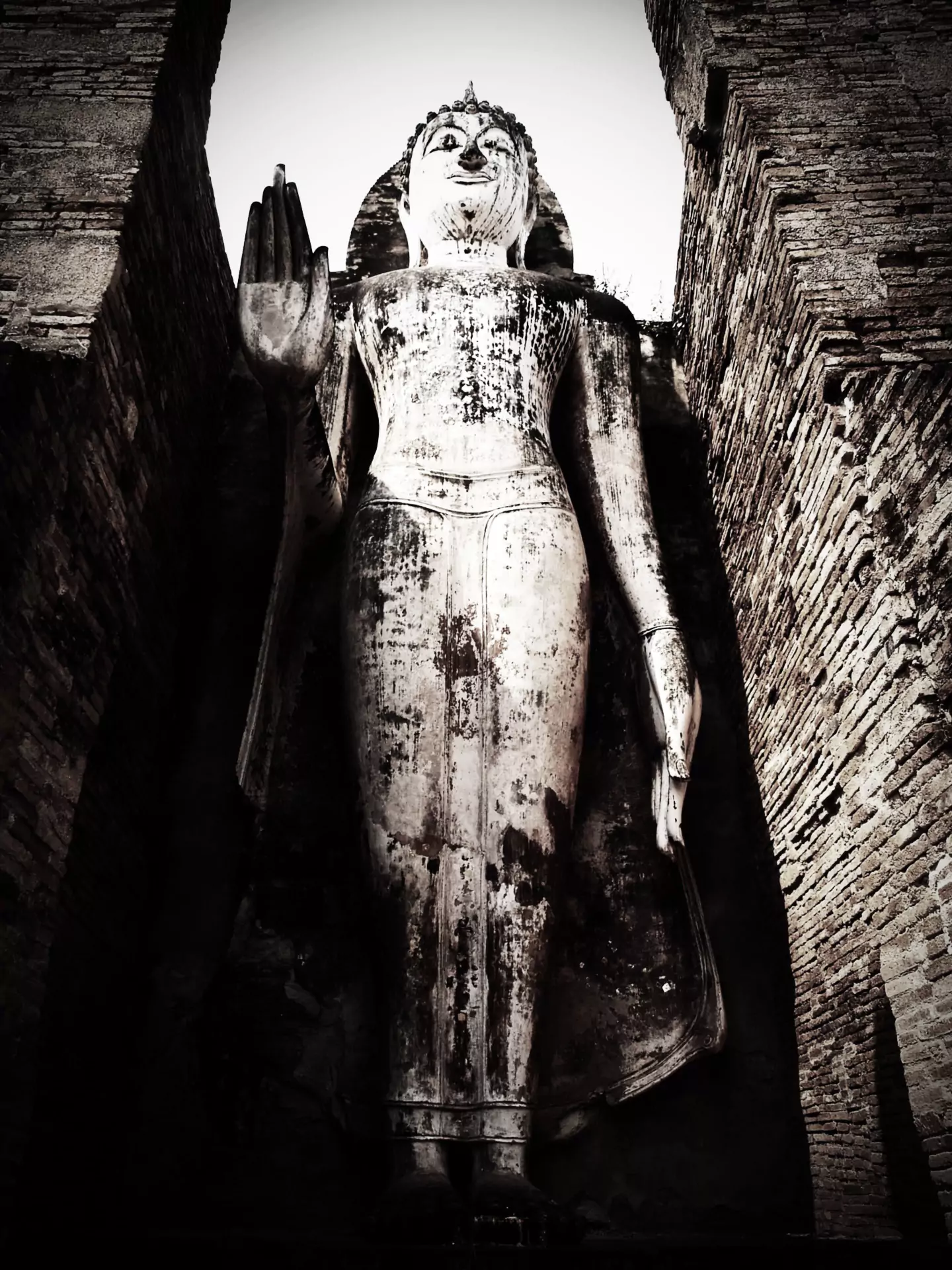
Seven centuries have rolled by. Empires have collapsed. Generations of leaders have risen and faded. And yet — look closely at how Thai people move through the world today. Our language. Our aesthetics. Our way of life. The foundations were laid here, in Sukhothai, and passed forward so faithfully that we carry them still — without always knowing where they came from. You are not coming to see ruins. You are coming to meet the moment Thailand decided what it wanted to be.
"In Sukhothai, time isn't measured by the hands of a clock. It's measured by the rhythm of your heartbeat — gently slowing down until it matches the stillness of the ancient pond right before your eyes."
Most Visitors
See One.
You Should
See All Four.
Each district a different layer of the same civilisation. Each one worth the detour. None of them forgettable.
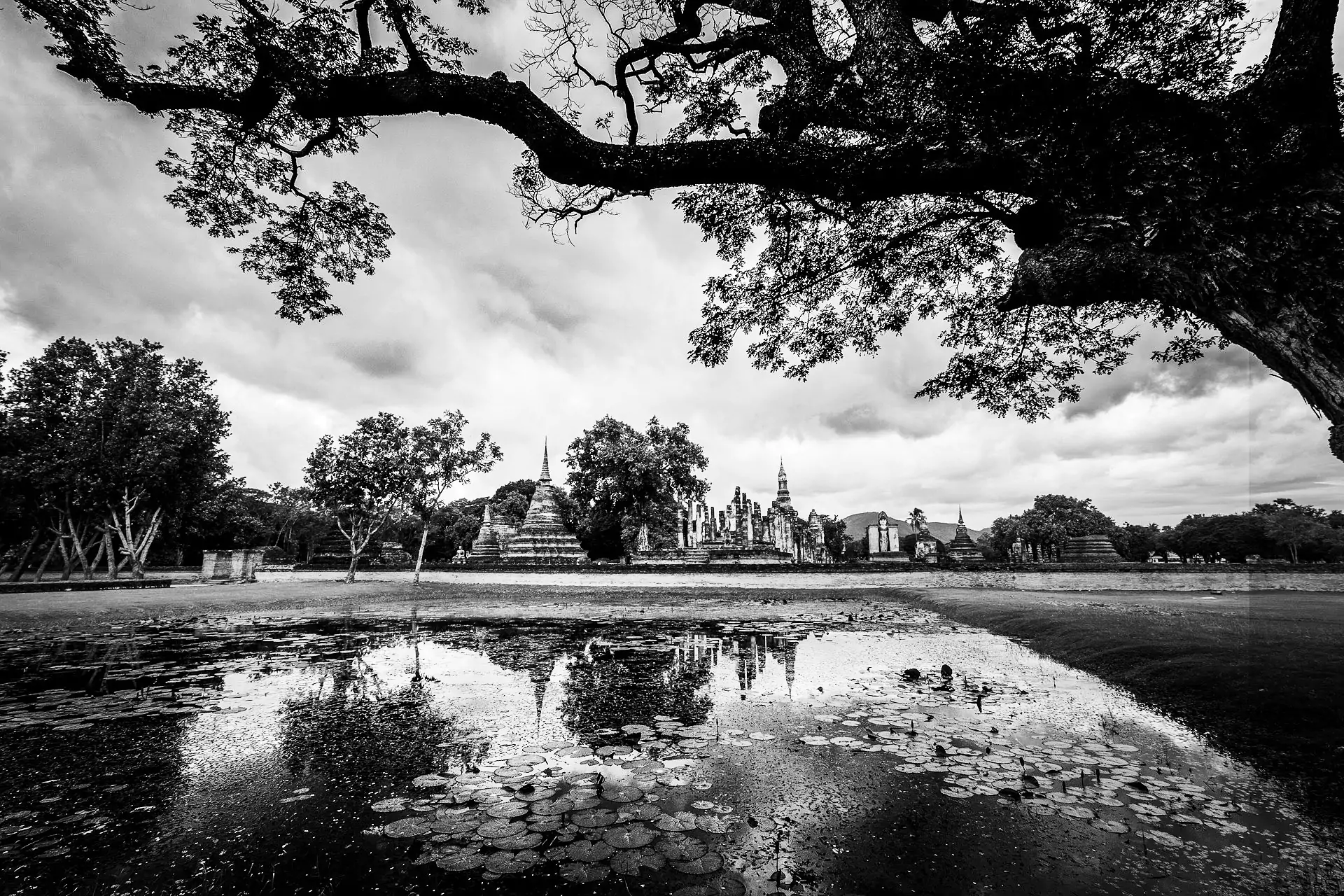
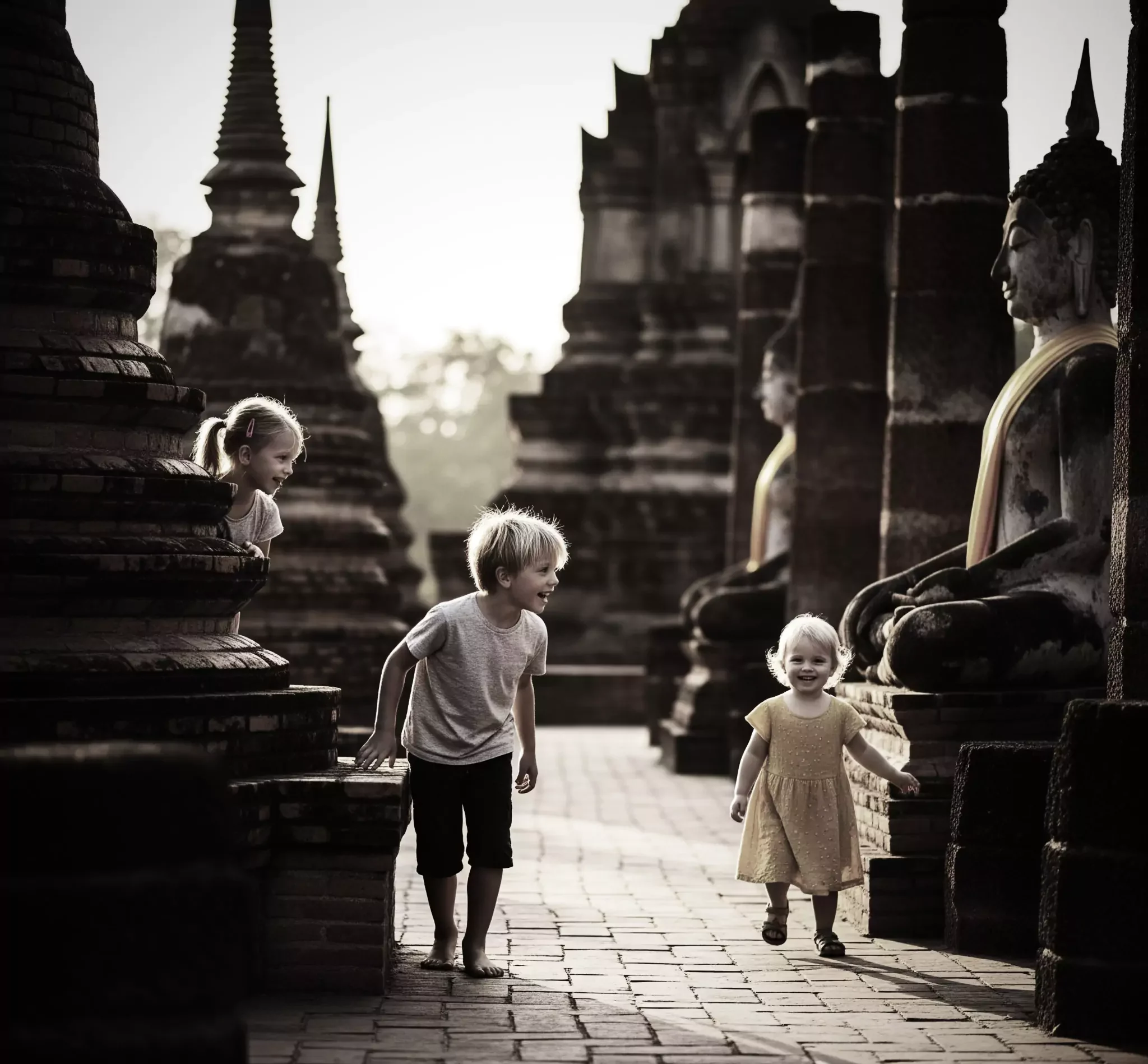
Wide lotus ponds reflecting ancient chedis. Laterite walls warm as bread in the afternoon sun. Bicycle paths weaving between ruins that simply sit there, absolutely unbothered, having survived kingdoms and centuries of monsoon. The Old City doesn't feel like a tourist zone. It feels like a place where people used to live — because it was.
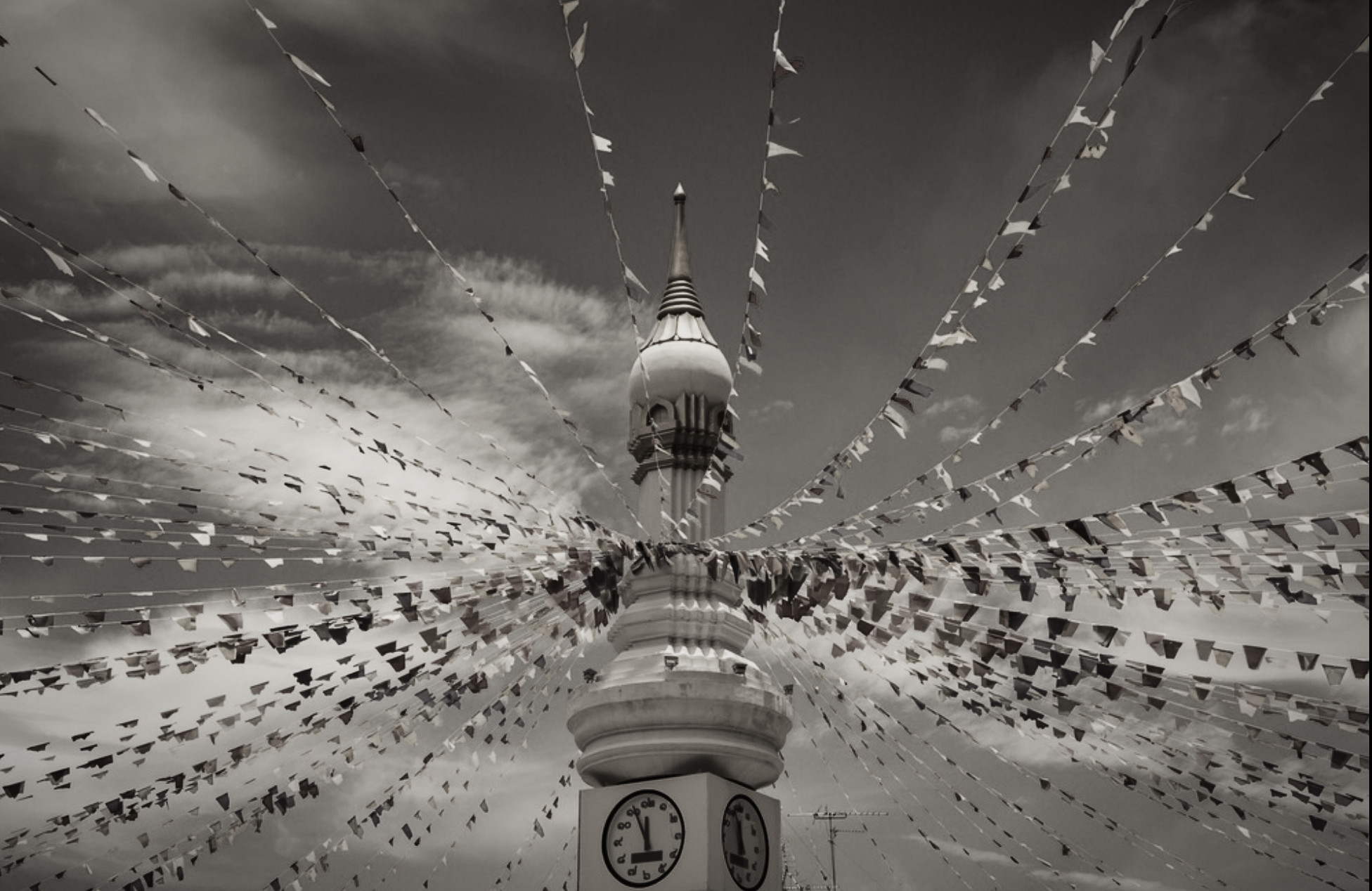
A proper Thai provincial town with a night market, local restaurants, school kids on bicycles, and a pace of life that feels like Thailand three decades ago — in the best possible way. Most tourists skip New City entirely. This is their greatest mistake.
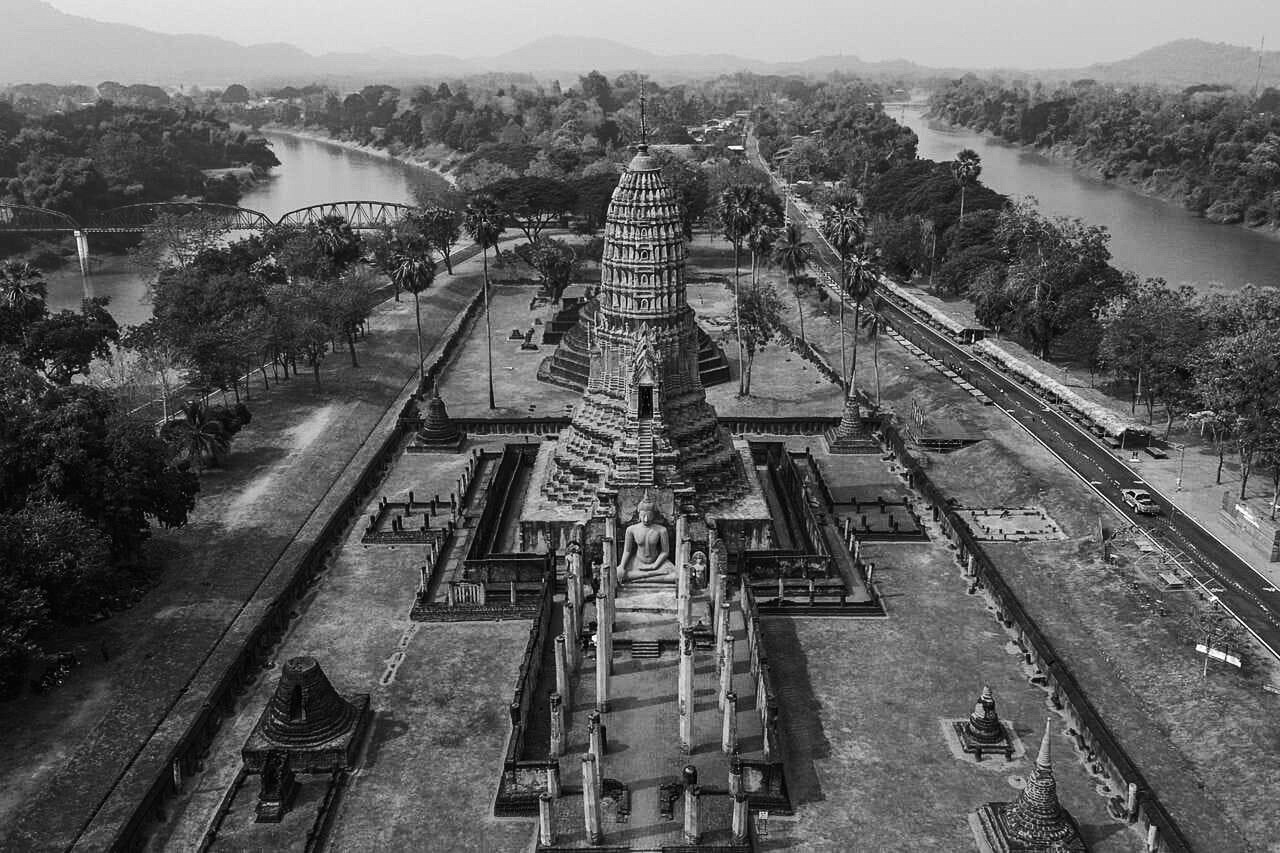
Ancient temples overgrown with jungle. A river running alongside the ruins. Ceramics kilns from the 14th century that supplied all of Southeast Asia. And the blessed, glorious sound of absolute silence. This is Sukhothai on hard mode. We highly recommend it.
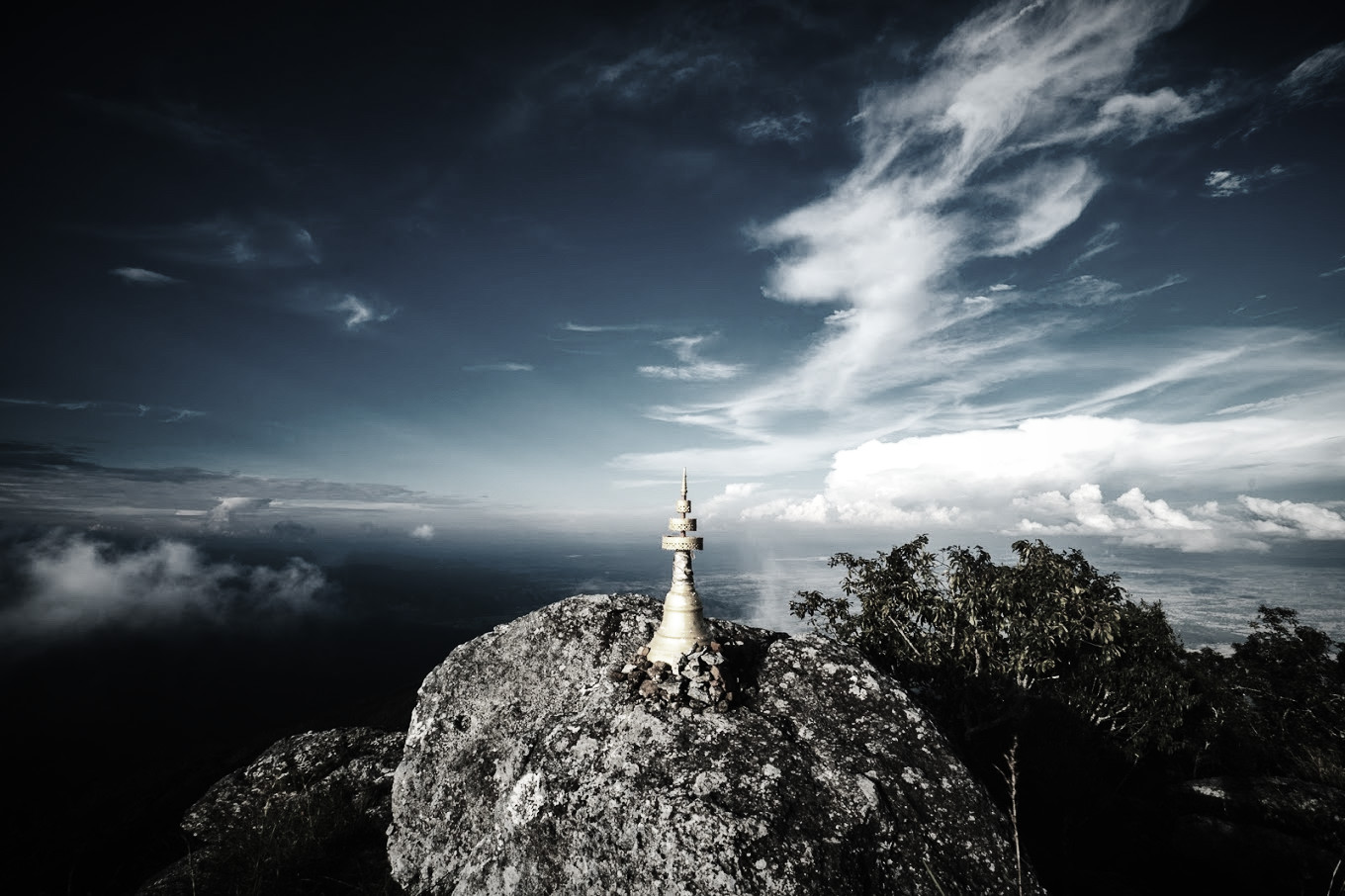
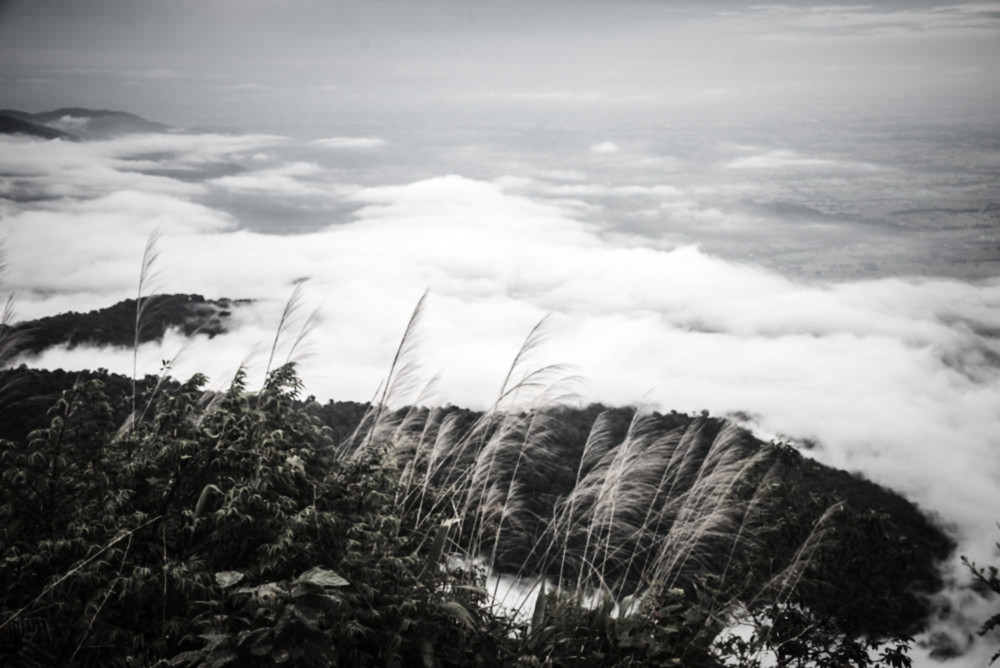
Waterfalls, forest trails, and the summit of Khao Luang with panoramic views over the entire valley. On a clear morning, you can see the historical park from above and understand, physically and viscerally, why the founders chose this valley for their kingdom.
Things To Do
In Sukhothai.
Said No Local Ever.
We don't do "things to do" here. We do moments that quietly rearrange your priorities. Here's where to find them.
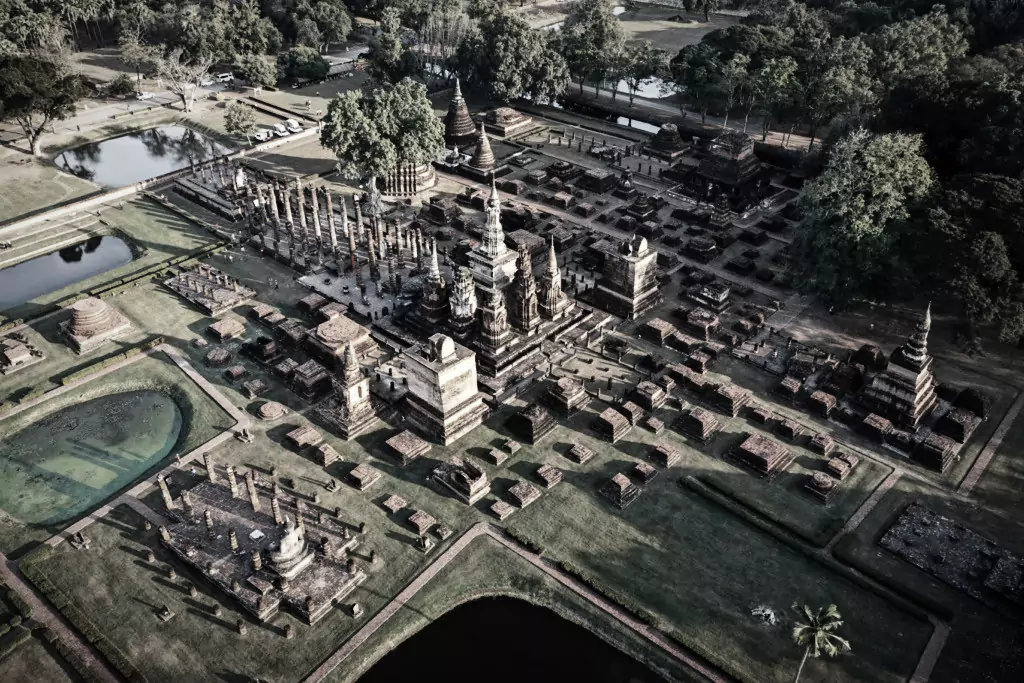
193 ruins. Five zones. One UNESCO designation. Come at dawn. At 6:30 AM, the light turns ancient stone the colour of honey. Mist rises off lotus ponds. You will cycle past a 13th-century Buddha with absolutely nobody else around — and feel, in a way that is very difficult to explain, that you are exactly where you are supposed to be.
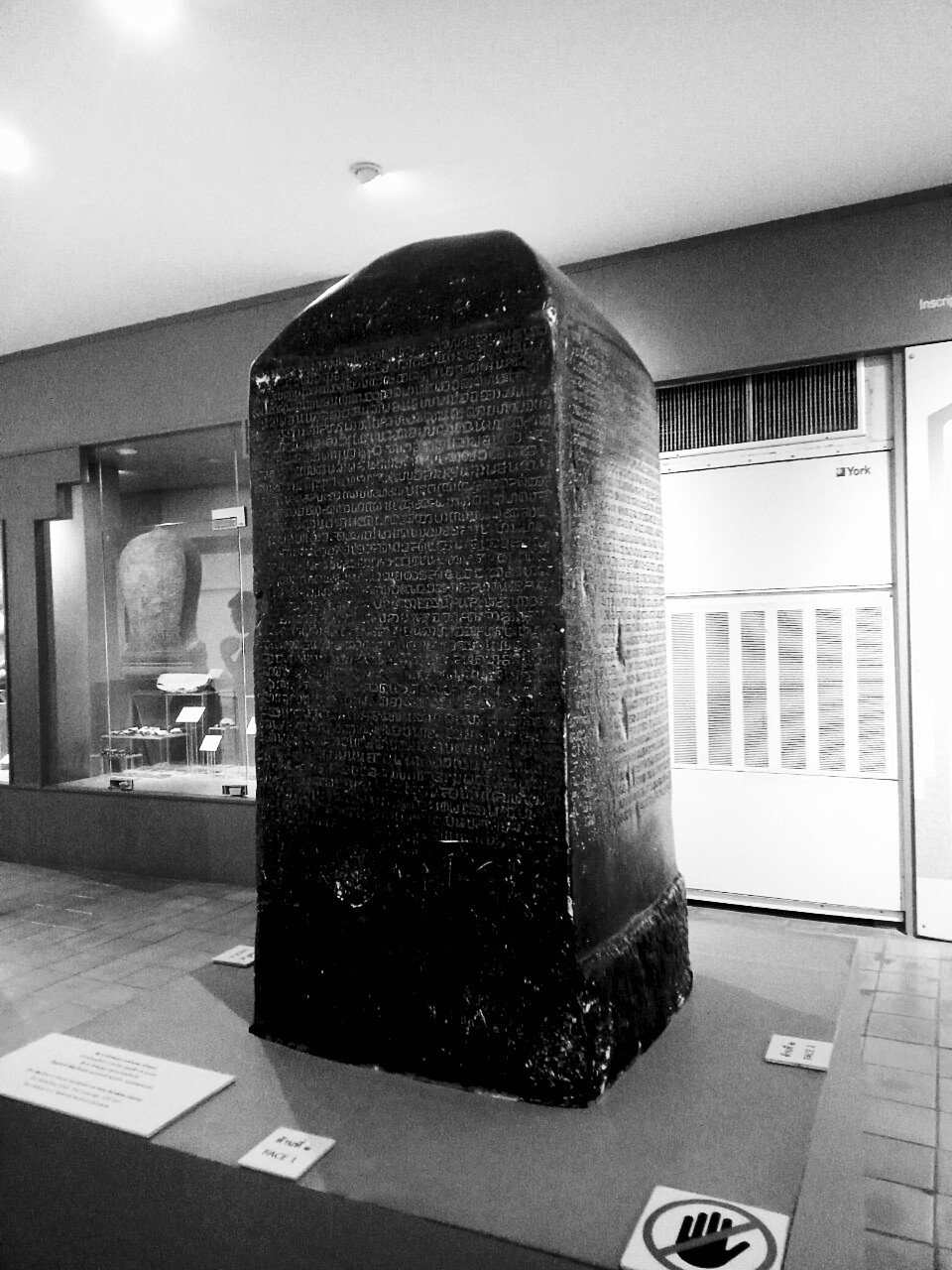
Before you enter the park, spend two hours here. The museum houses King Ramkhamhaeng's stone inscription — one of the earliest examples of written Thai, carved in 1292 CE. Reading the translation is quietly devastating: a king describing his kingdom as a place where fish are in the water, rice is in the fields, and anyone with a grievance can ring the bell at the palace gate and the king himself will listen.
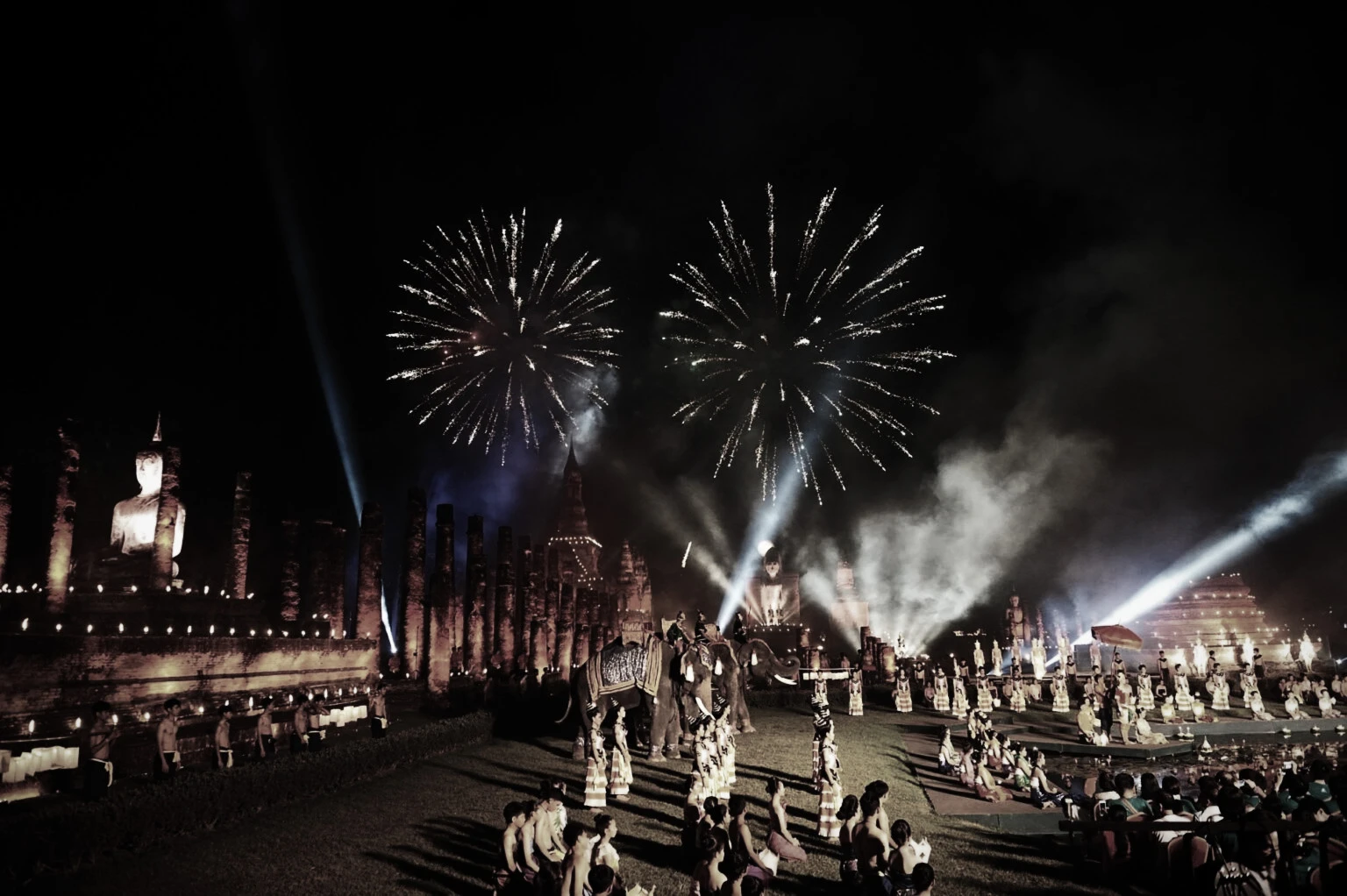
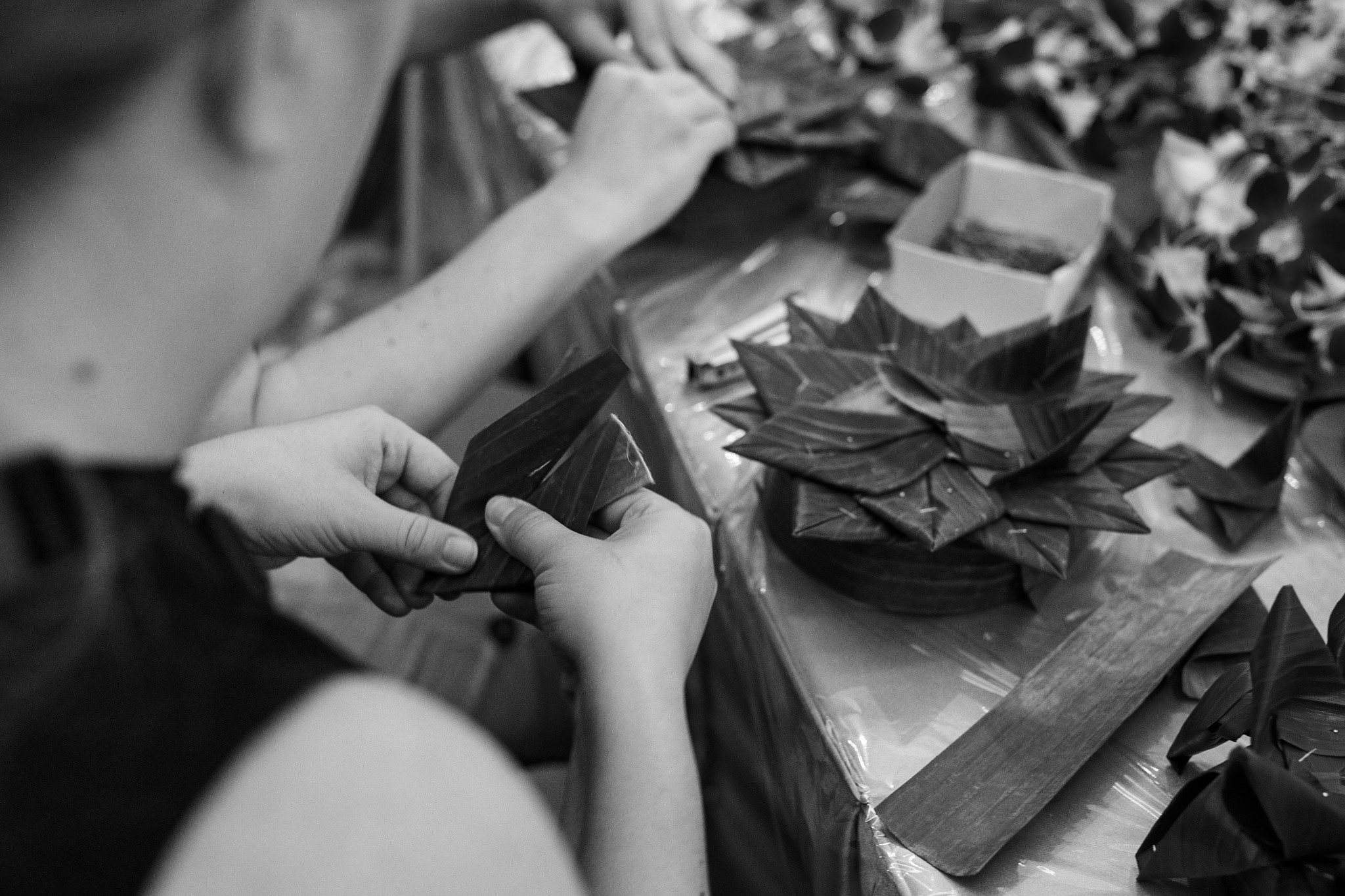
If you can visit in November, rearrange everything in your life and do it. Loy Krathong originated here — Sukhothai's version, held in and around the historical park, is the most spectacular in Thailand. Thousands of candles. Fireworks over ancient temples. Lanterns rising into a night sky that looks exactly as it did when this festival began 700 years ago. We cry every single time. No apologies.
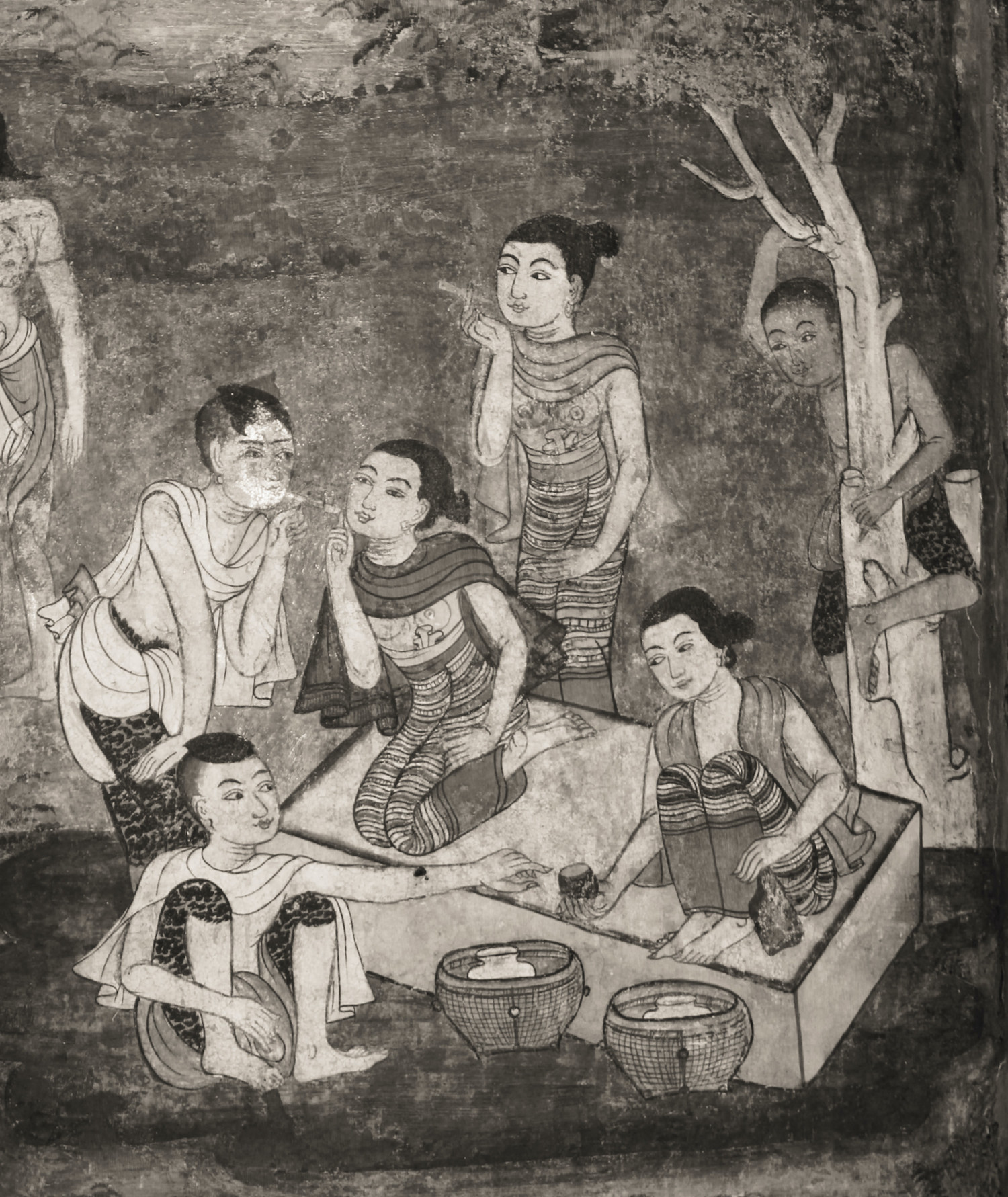
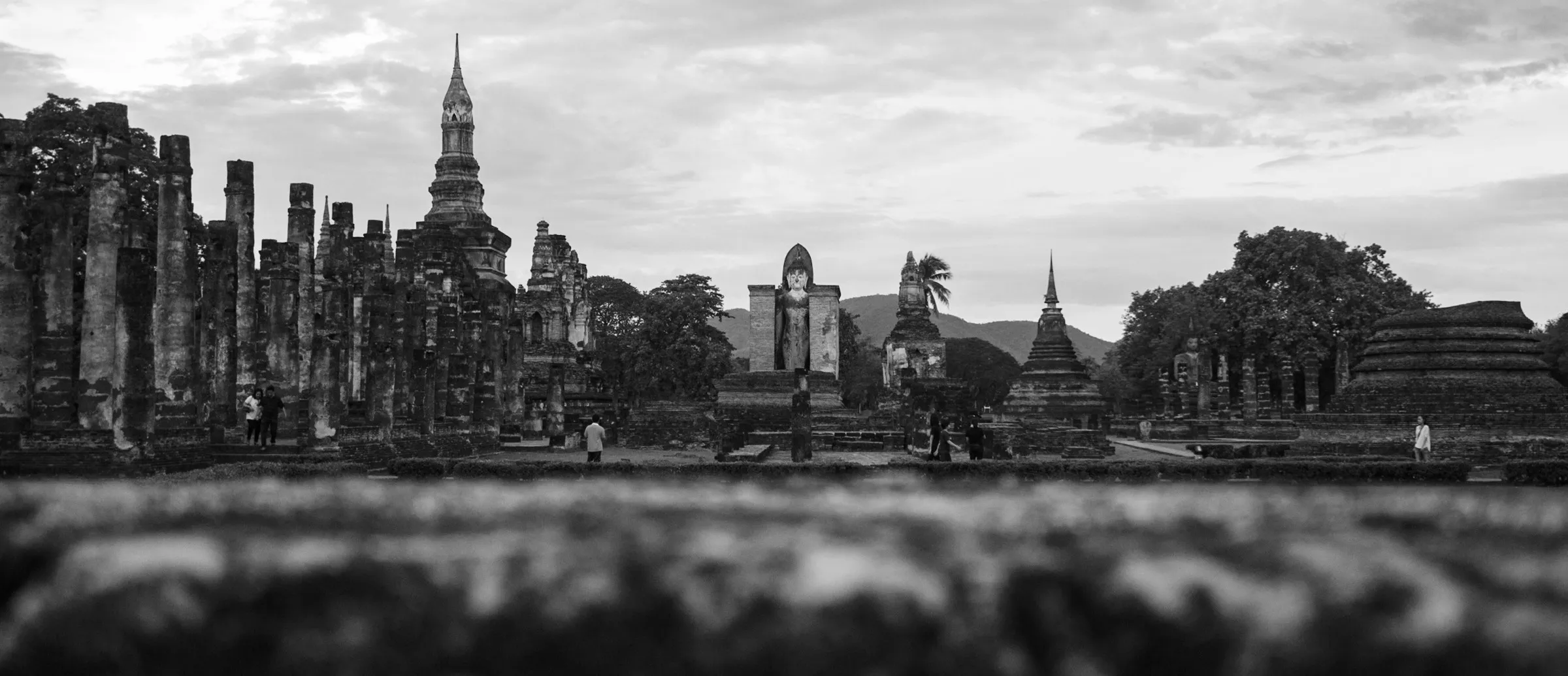
So Does Everything They Stood For.
Food Here Has
a 700 Years
Head Start.
Sukhothai's food doesn't chase trends. It never needed to. These dishes were perfected centuries ago — and the only place to eat them properly is exactly where they were born. Follow the yardlong beans. They'll never lie to you.
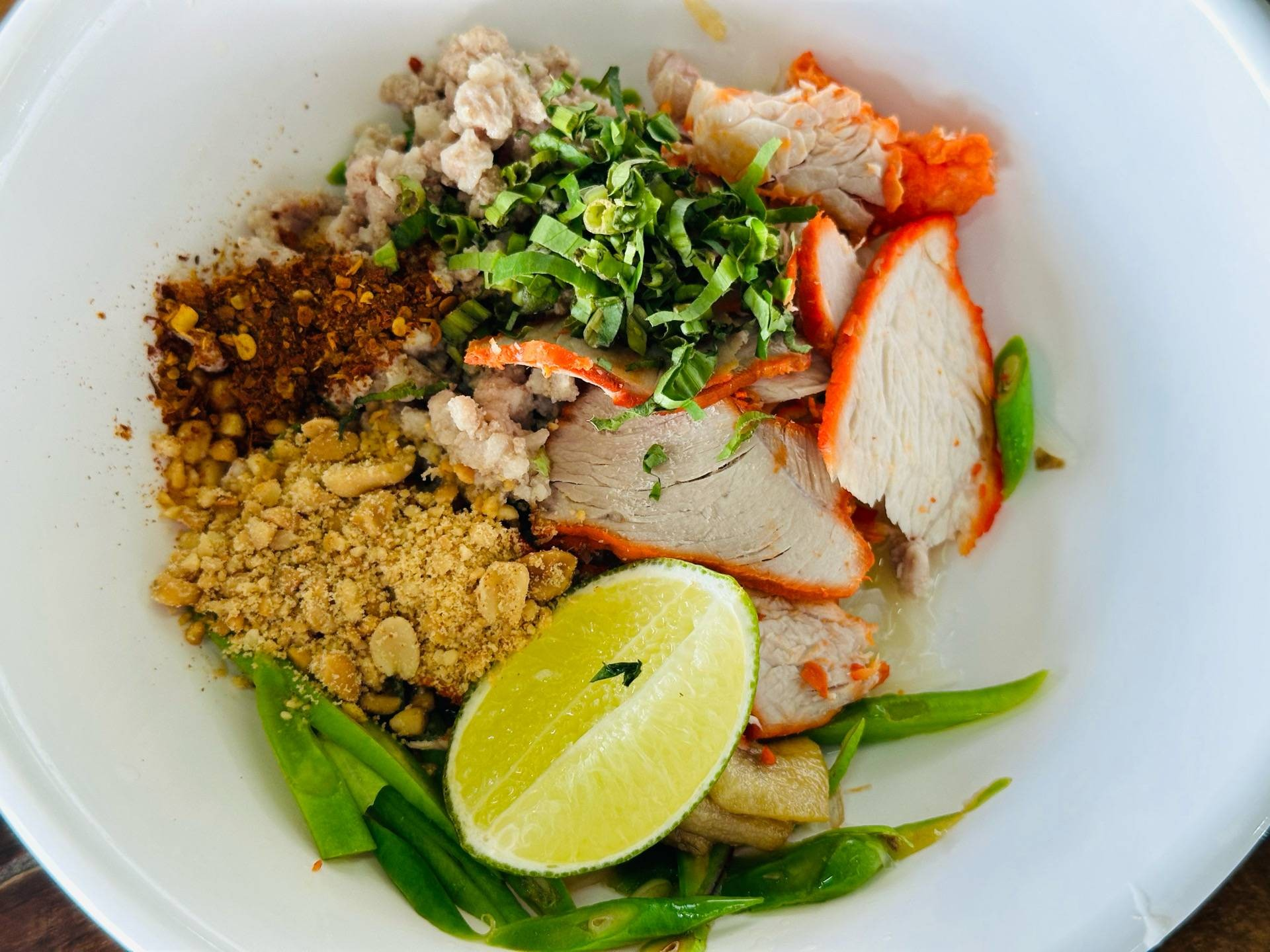
Rice noodles in a clear, slightly sweet pork broth — the sweetness comes from palm sugar, not found in Bangkok-style soups. Pork crackling in the broth where it softens but retains just enough texture to make you reconsider every noodle soup you've ever had. The authentication mark? Diagonally sliced yardlong beans. Never bean sprouts. Ever.
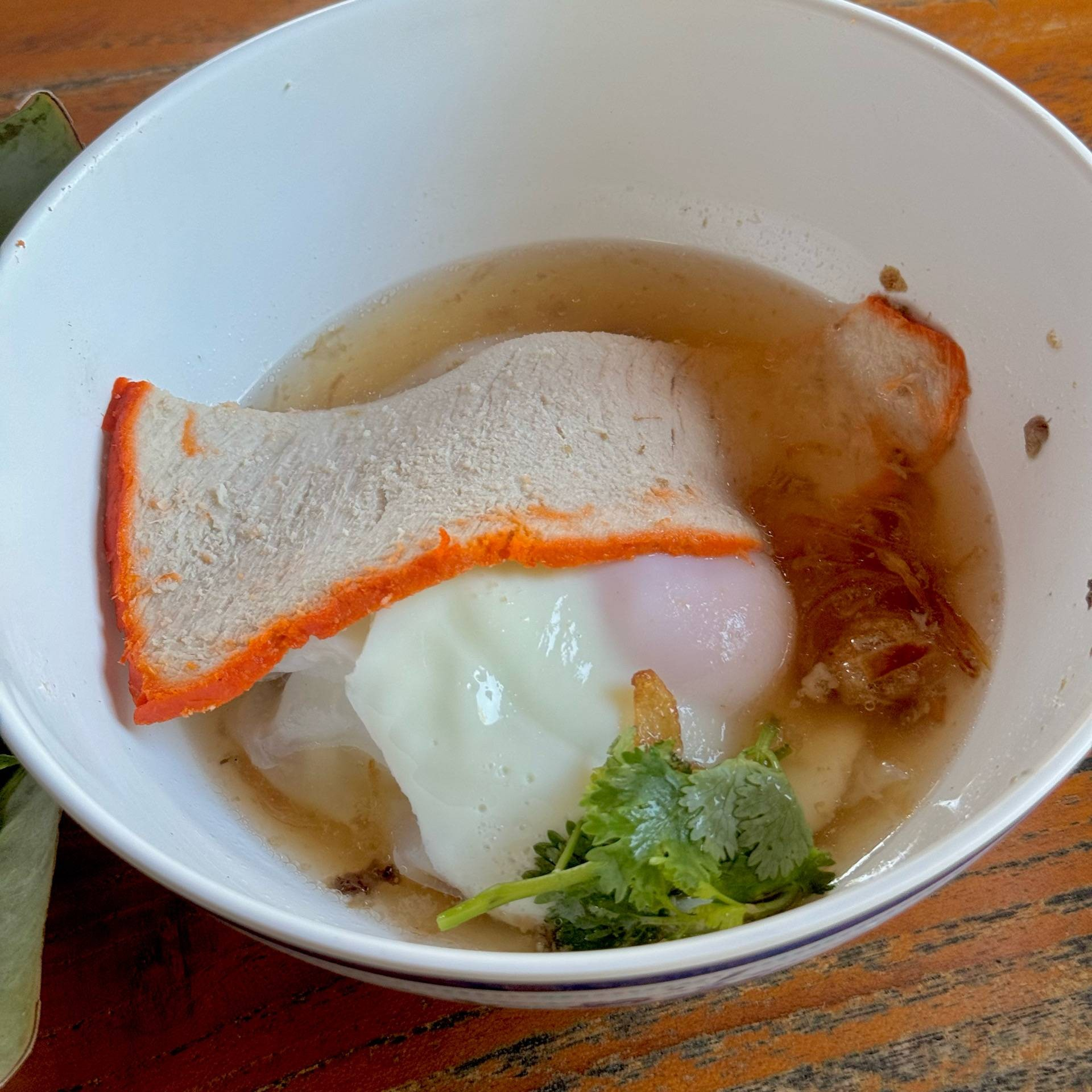
Poep" means to fold — and this dish is exactly that. A slow, beautiful craft from Ban Na Ton Chan community in Si Satchanalai. Fresh rice batter steamed over clay pots, folded gently around homegrown vegetables, served in naturally sweet pork bone broth with steamed egg and BBQ pork. Patience on a plate.
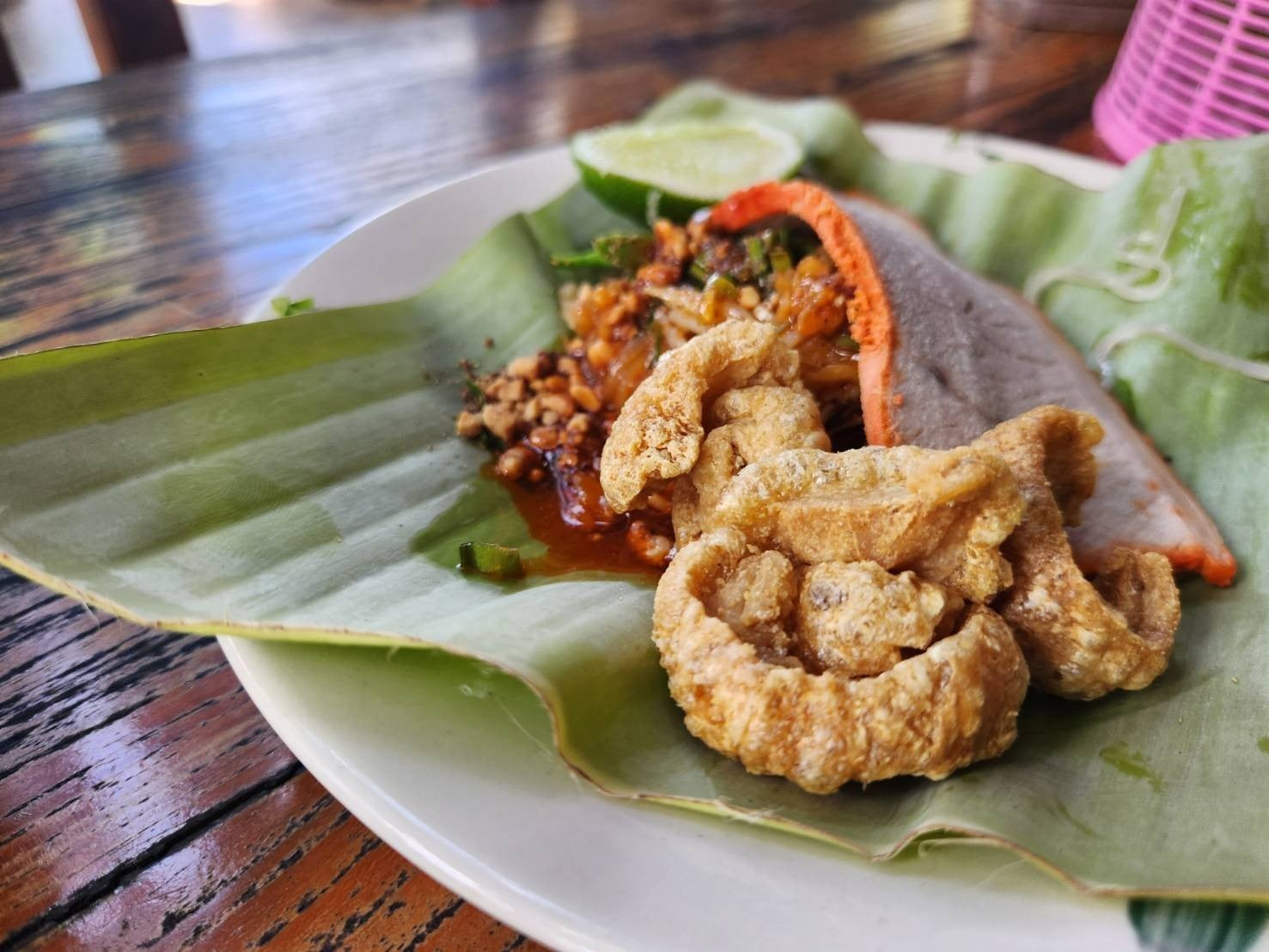
Khao Poep's clever sibling — same steamed rice sheet, different destiny. Spread flat on banana leaf, topped with seasoned Sukhothai noodles — BBQ pork, yardlong beans, crushed peanuts, lime. Roll with chopsticks. One bite delivers two distinct textures of rice flour simultaneously. Deceptively simple. Genuinely brilliant.
"Sukhothai teaches you สังขาร — impermanence — without saying a single word. Headless Buddhas still sitting in perfect meditation. Towers reclaimed by moss. The ruins don't mourn. They simply are."
We Love You.
Please Don't
Do This.
Sukhothai is patient, generous, and genuinely delighted you're here. Let's make sure you don't accidentally disrespect seven centuries. We'll keep it simple.
Shoulders covered. Knees covered. The historical park is a working sacred space that has been continuously honoured for 800 years — not an outdoor gym, not a photoshoot location. The ruins have survived kingdoms and wars and centuries of monsoon. They can also see your outfit choices.
We understand the Instagram impulse. We are asking you, directly, as Thai people who consider these ruins part of our heritage: please don't. The ancestors are watching. The park rangers are also watching. The latter will find you first.
Press your palms together at chest height, bow your head slightly. A small gesture that costs nothing. The warmth it returns is disproportionate and entirely worth it.
Feet are considered the lowest, least sacred part of the body in Thai culture. Tuck them to the side when sitting near sacred objects. Be a rectangle. Not a compass. We said what we said.
The historical park at 6:30 AM is a completely different, completely transformative experience from the historical park at 11 AM. We have said this multiple times. We will say it again if necessary.
Monks collecting alms are performing a sacred daily practice — not posing for your travel content. Observe quietly. Keep the camera down. Some moments are for experiencing, not capturing.
Every time. Without being asked. Even when it's the fourth temple of the day. This is the baseline of being a decent guest in someone else's sacred story. The bar is not high. Clear it easily.
The prices are already extraordinarily fair. Bargaining them to half-price isn't savvy — it's watching someone's pride quietly extinguish while you congratulate yourself on saving 40 baht. Pay fairly.
The truth
with love.
Sukhothai is quiet. Genuinely, completely, beautifully quiet. Some people find this profound. Some people last forty-eight hours and reach for their Bangkok bus ticket. We just want you to arrive knowing which one you'll be.
ATMs exist in New City but are virtually absent near the historical park. Many of the best restaurants, market vendors, and guesthouses operate cash only. Withdraw before you arrive. The noodle shop that changes your life does not accept Visa.
Outside the historical park's visitor centre, English proficiency drops sharply. This means Sukhothai remains genuinely local. Learn six Thai phrases before you arrive, download offline maps, and embrace the joy of communicating through pointing, smiling, and mutual goodwill.
New City to the historical park is 12km — manageable by bicycle in good conditions, genuinely sweaty in March heat. Budget your energy like it's a currency. This is the correct pace. Sukhothai will teach you it anyway.
March to May: 32–38°C by midday. Hat, sunscreen, and a water bottle are not optional accessories — they are survival equipment. Plan accordingly. Rest without guilt.
Some bicycles near the park entrance have seen better centuries. Check the brakes, the seat, and the tyres before you ride away. Rent from your guesthouse when possible — better maintained, often half the price.
Everything You
Actually Need
to Know.
Cool season. 20–28°C. Clear skies. November brings Loi Krathong — the original. Book 2–3 months ahead for that week.
Direct buses from Bangkok's Mo Chit terminal: 6–7 hours, ฿250–450. Nearest train: Phitsanulok (50km) then songthaew. Bangkok Air flies direct to Sukhothai airport (TDX).
The correct answer. ฿50–80/day from your guesthouse. Songthaew shared trucks: ฿30–50 between New City and the park. Motorbike for Si Satchanalai: ฿200–300/day.
Sukhothai operates almost entirely on cash. ATMs in New City, none near the park. Withdraw before you arrive.
Budget: ฿400–800. Mid: ฿800–2,000. Splurge: Legendha Sukhothai Resort — sits inside the UNESCO boundary. Sunset from their terrace is a memory that stays.
Reliable in New City and the Central Zone. Outer zones: patchy. Download offline maps (Maps.me works well) before you head out.
Central Zone: ฿100. Each outer zone: ฿100 or ฿350 combined. Si Satchanalai: ฿90. Museum: ฿150. Budget ฿500–600 for thorough two-day exploration.
English at the park visitor centre and tourist guesthouses. Limited to none at local markets, restaurants, and outer zones. Learn six phrases. Smile a lot. It works beautifully.
| Destination | Distance | Time |
|---|---|---|
| Historical Park (Central) | 12 km | 20 min car / 45 min bicycle |
| Si Satchanalai | 60 km | 1 hour by car |
| Phitsanulok | 58 km | 1 hour by car |
| Kamphaeng Phet | 77 km | 1.5 hours by car |
| Chiang Mai | 298 km | 4–5 hours by car |
| Bangkok | 427 km | 6–7 hours by bus |
| Category | Budget Day | Generous Day |
|---|---|---|
| Accommodation | ฿400 | ฿2,000+ |
| Park Entry | ฿100 | ฿350 |
| Food (3 meals) | ฿200 | ฿500 |
| Transport | ฿60 | ฿300 |
| Daily Total | ฿760 | ฿3,150 |
Seven hundred years of history deserve more than a rushed day trip. Our Thailand trip planning guide helps you arrive with enough time to actually feel it.
Sukhothai's
Quieter
Siblings.
When Sukhothai has worked its way into you — and it will, somewhere between the third ruin and the second bowl of Kuay Teow — these are the places we send people next. All within reach. All worth it. All part of the same 800-year story.
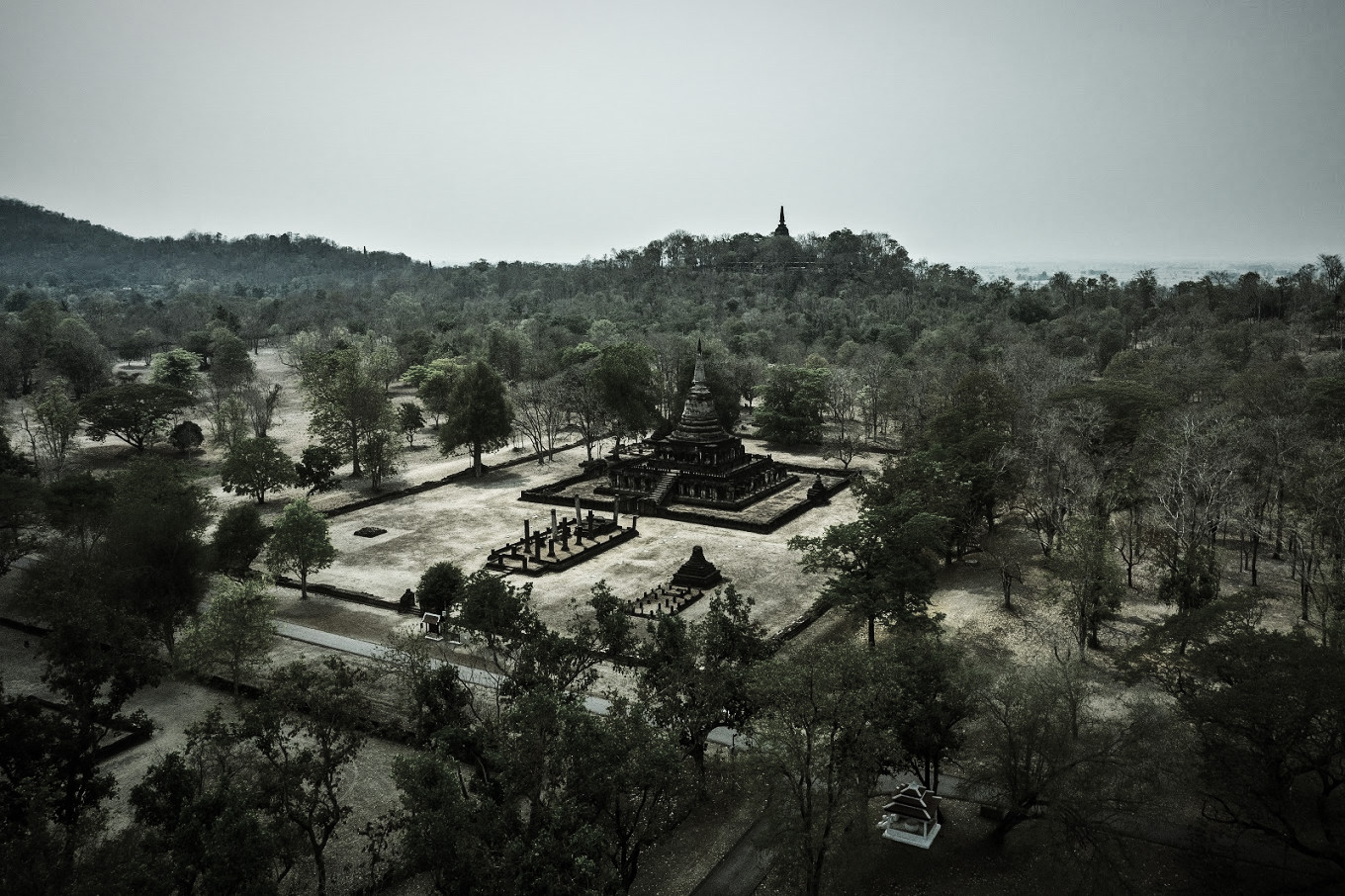
The ruins that nobody told you about — everything the main park is, minus 95% of the visitors, plus a river, plus jungle that has genuinely reclaimed its territory. The 700-year-old Sangkhalok pottery tradition is still alive here, still made by hand. Come for the ruins. Stay for the silence.
coming soon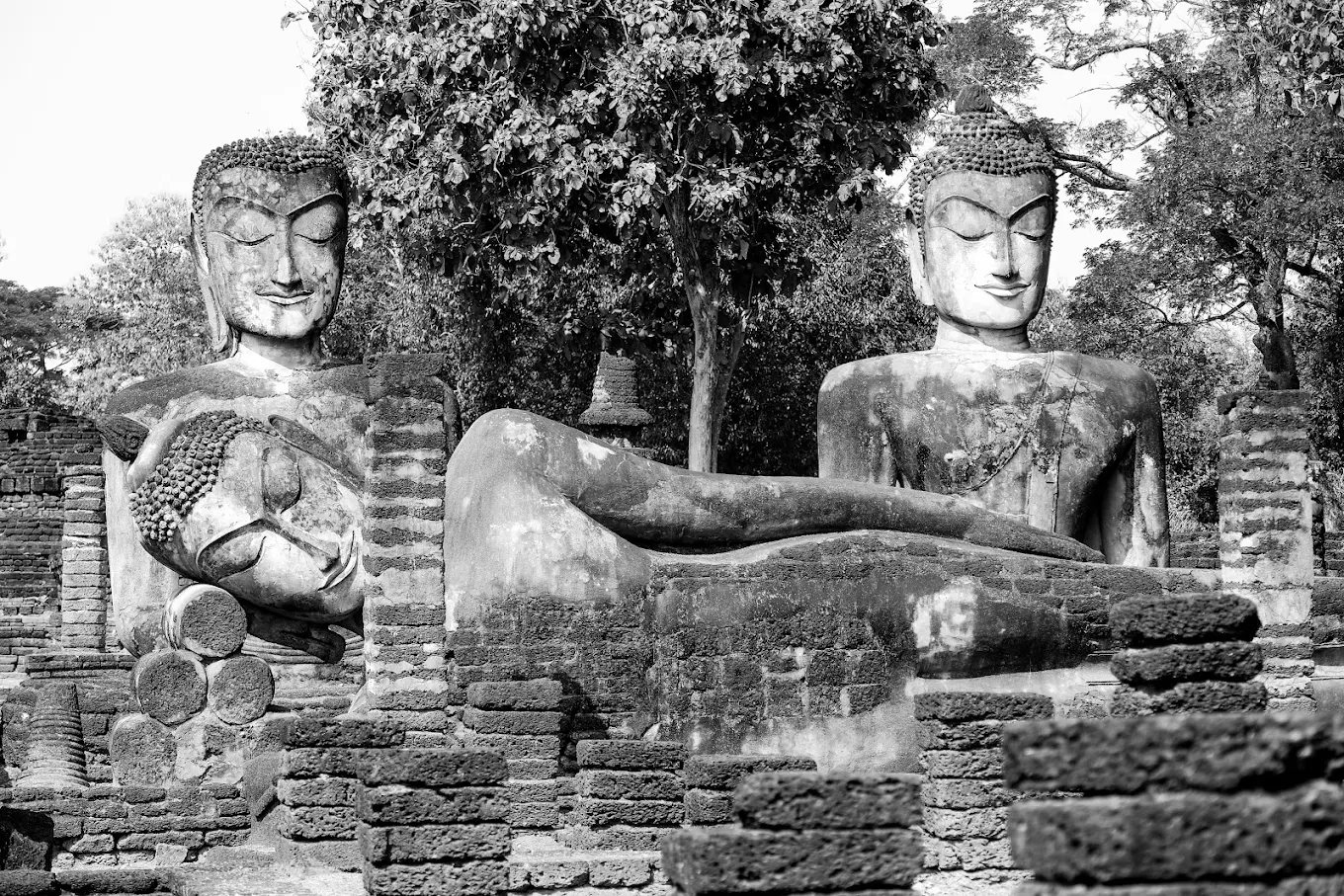
The third city in Thailand's UNESCO heritage corridor — and the most overgrown, most atmospheric, most completely ignored by tourists. The forest zone here feels genuinely like discovery. Bring water, a bicycle, and a high tolerance for being the only foreign visitor.
coming soon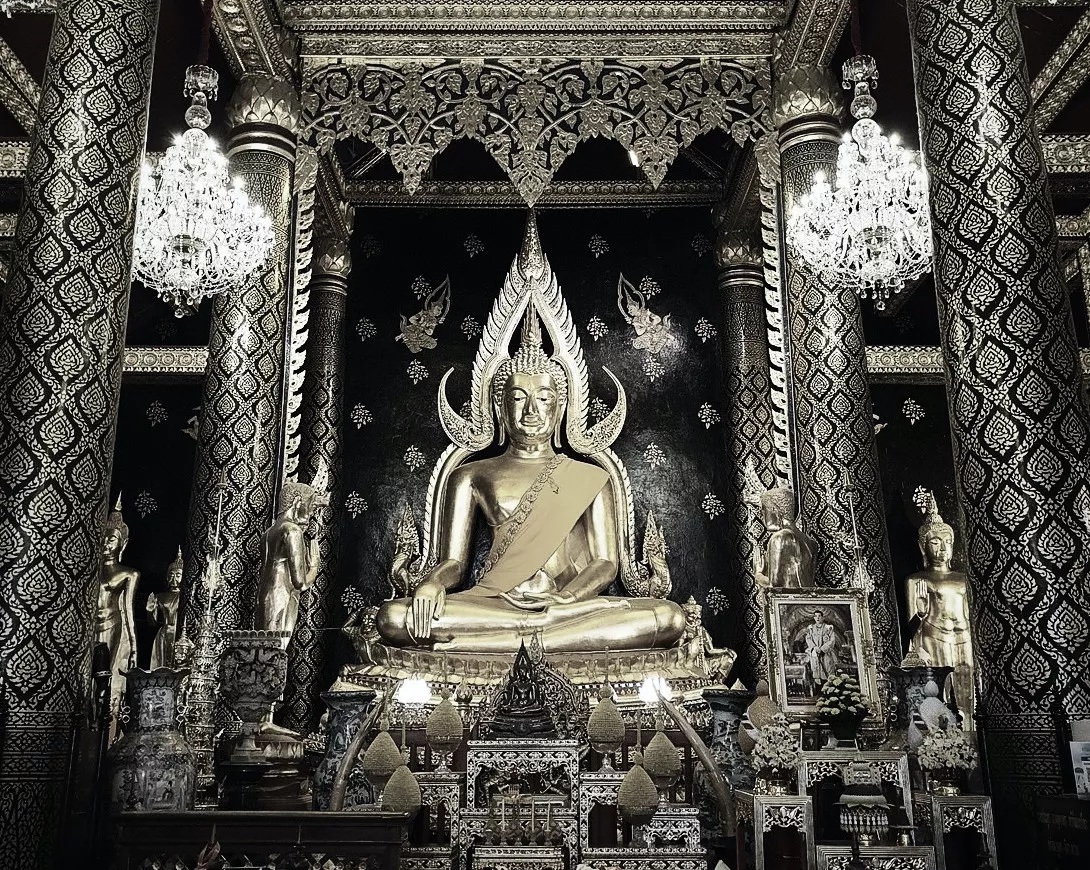
Most people use Phitsanulok purely as a transit point. Most people are wrong. The city has one of Thailand's most important Buddha images, a floating restaurant scene along the Nan River, and a night market food culture that puts many larger cities to shame. Stay a night. Let it surprise you.
coming soon