Experience the
True
Thailand
While tourists are watching staged elephant shows and “authentic” cultural performances in air-conditioned theaters, real Thai culture is happening three streets over—and nobody thought to invite you. That morning alms-giving you saw from your hotel balcony? You missed the part where the grandmother whispered prayers while placing sticky rice in the monk’s bowl, her granddaughter learning the ritual through silent observation. That temple you checked off your list? You walked right past the locals making merit, the subtle hand gestures that carry generations of meaning, and the community gathering that happens every full moon where the real stories get told.
Here’s the truth about cultural experiences in Thailand: the most profound moments aren’t labeled, staged, or optimized for Instagram. They’re woven into daily life—the 6 AM market where vendors trade blessings along with mangoes, the neighborhood spirit house receiving fresh jasmine daily, the impromptu street festival celebrating a local saint you’ve never heard of but the entire soi (neighborhood) knows intimately. While guidebooks send you to the same five temples, Authentic Thai Cultures that’ll actually change you are happening in villages whose names don’t autocomplete in Google Maps.
What are authentic Thai cultural experiences? They’re the moments when you stop being an observer and become—however briefly—a participant in living traditions that have survived centuries of change. It’s learning why we wai differently depending on who we’re greeting, understanding that removing your shoes isn’t just politeness but a philosophical statement about sacred and mundane space, and realizing that “sanuk” (fun) and “serious” aren’t opposites in Thai culture—they’re dance partners.
You came to Thailand for temples and beaches. We’re inviting you to something deeper—the rituals, rhythms, and unspoken wisdom that make us… us. Ready to see what you’ve been missing?
On this page
1. Master Thai Cooking Classes in Chiang Mai
2. Participate in Loy Krathong Festival
3. Ethical Elephant Interactions at Sanctuaries
4. Monk Chats and Temple Stays
5. Muay Thai Training Sessions
6. Handicraft Villages like Bo Sang
7. Songkran Water Festival
8. Traditional Thai Massage and Wellness
9. Floating Markets and Canal Life
10. Visiting Isaan Villages
– Four Hidden Gem Communities
11. Cultural Experiences Comparison Table
12. Frequently Asked Questions
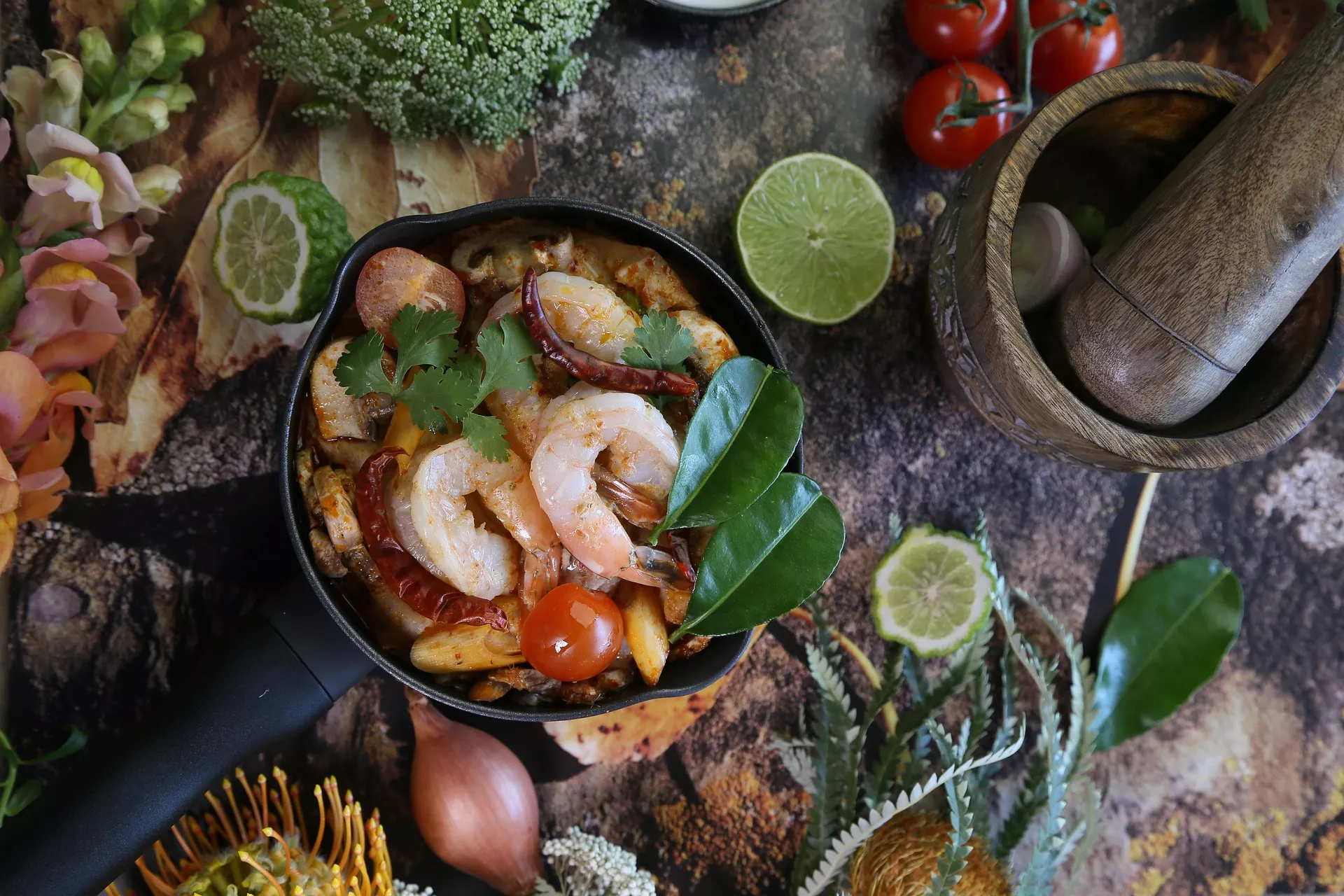
Every Thai Dish Tells a Story
Here’s the thing about authentic Thai food experiences: you can’t truly understand our food without understanding how we live. Thai cuisine isn’t just a collection of recipes—it’s basically our love language, our therapy session, and our daily philosophy class all rolled into one delicious, spicy package.
1. Master Thai Cooking Classes in Chiang Mai
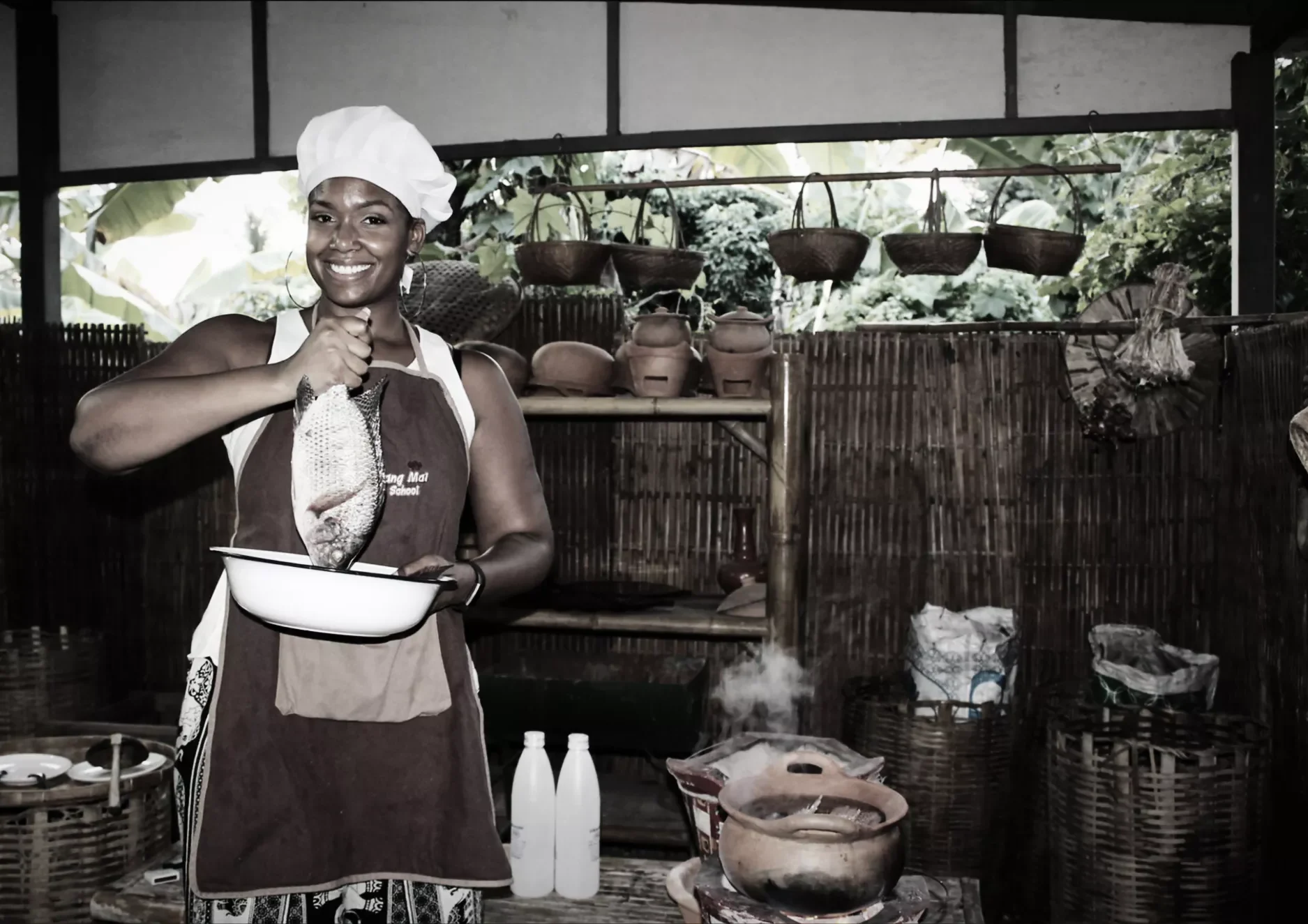
Picture this: You’re standing in Chiang Mai’s morning market at dawn, mist still clinging to the mountains, watching Khun Lyn—a chef with hands that have chopped more lemongrass than you’ve had hot dinners—select the perfect kaffirlime leaves. She crushes one under your nose and says, “Smell that? That’s Northern Thailand waking up.” This, my friends, is where authentic Thai cooking classes begin—not in a sterile kitchen, but in the chaotic, aromatic heart of our food culture.
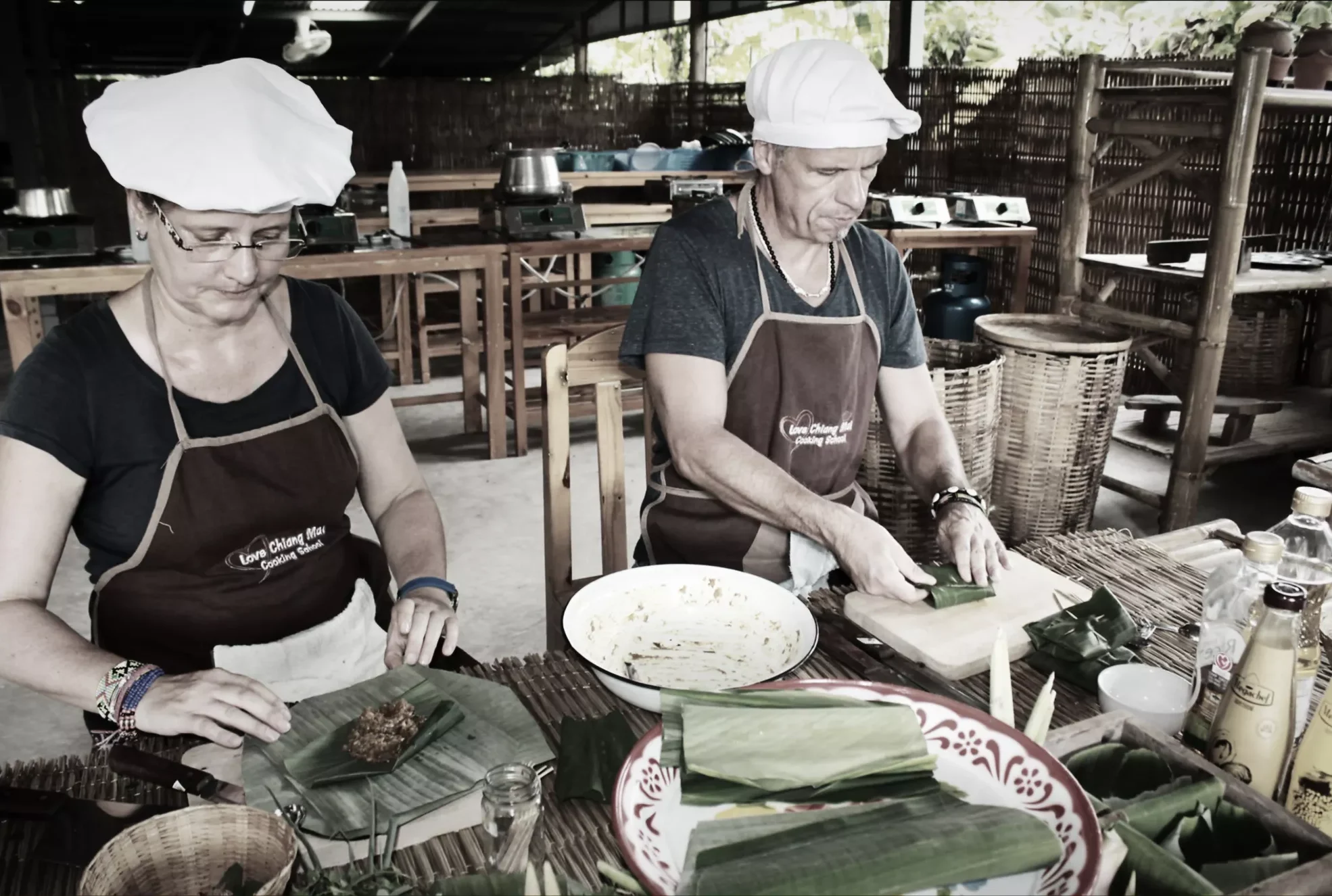
Northern Thai cuisine is like a symphony where every ingredient plays its part. We’re talking khao soi—that creamy, coconutty curry noodle soup that’s basically a warm hug in a bowl—with its crispy noodle crown and tender braised beef. Or sai oua, our herbaceous Northern sausage packed with lemongrass, galangal, and enough spice to make you reach for that second beer. At places like Love Chiang Mai Cooking School or The Rice Barn Thai Cooking Farm (both locally owned), you’ll spend half the day at markets learning why we squeeze lime, sniff chilies, and haggle with vendors (it’s not about price—it’s about the relationship).
Here’s what makes these classes legit: You actually cook. No demonstrations while you watch. You’re pounding curry paste in a granite mortar (arm workout included), balancing palm sugar with tamarind until your pad thai hits that sweet-sour-savory jackpot, and learning why we always taste as we go. Khun Lyn taught me this years ago: “Thai cooking isn’t about recipes—it’s about balance. Like life, nah?”
Local Insider Tips:
- Visit the market first (usually 7-8 AM)—this is non-negotiable. You’ll learn which vegetables are in season, how to pick ripe mangoes by scent (not squeezing!), and why we’re obsessed with fresh herbs.
- Ask about Lanna influences—Northern cuisine is distinct from Central Thai food. Less coconut milk, more herbal and fermented ingredients. If your class doesn’t mention this, they’re not going deep enough.
- Request family recipes—The best instructors share their grandmother’s secrets, like adding a pinch of MSG (yes, we use it—sparingly and unapologetically) or why pork blood makes laap extra rich.
- Avoid tourist factory classes—If there are 20+ students, run. Authentic classes cap at 10 people max.
The cultural gold here? Understanding how food connects to our Buddhist beliefs (many dishes have vegetarian roots from temple cuisine), regional pride (we Northerners will fight you over whose khao soi is best), and generational knowledge passed down through taste, not measurements. Plus, you’ll leave with recipes you can actually recreate at home—and bragging rights for life.
When to Go: Year-round, but cooler months (November-February) make market walks more pleasant.
Cost: $30-50 USD for half-day classes
Book Through: Local schools directly or Viator
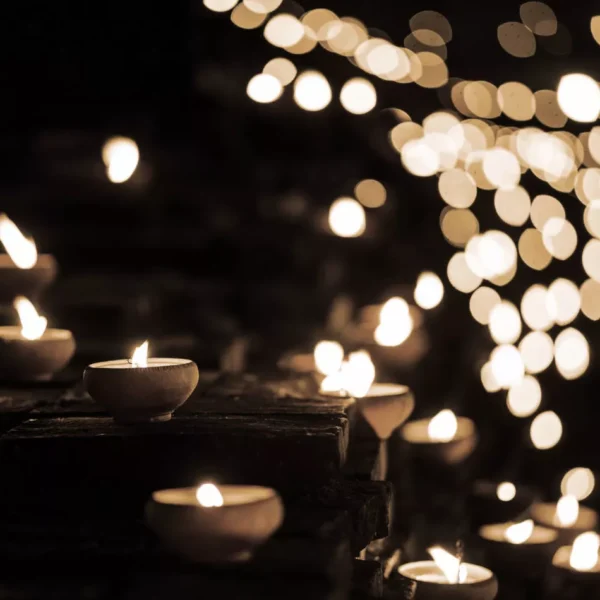
In the glow of Yi Peng,
you realize that even the smallest flame can illuminate the vastness of the darkness.
2. Participate in Loy Krathong Festival
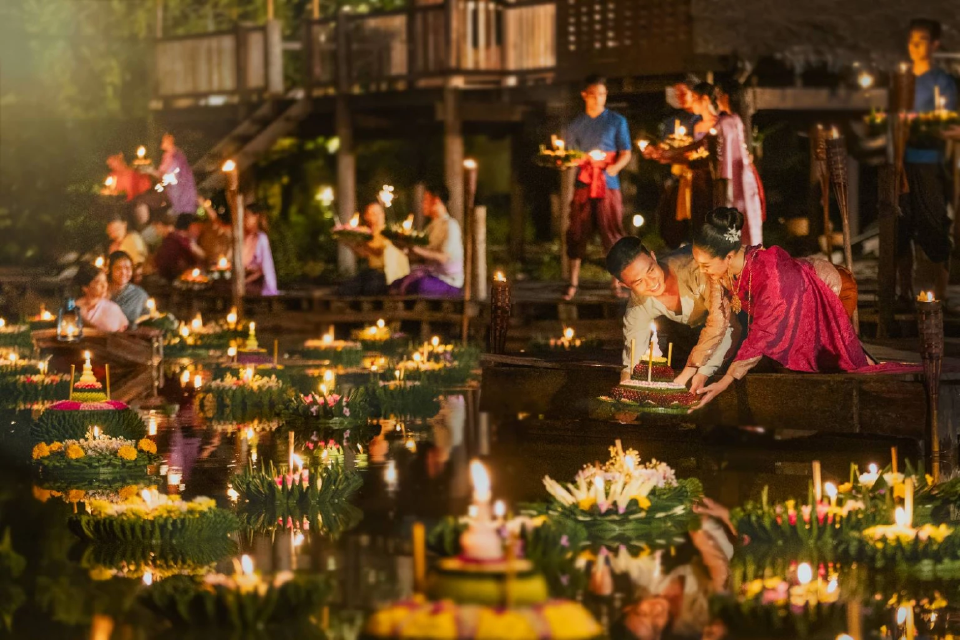
If Thailand had a moment that perfectly captures our soul—the blend of beauty, spirituality, and communal joy—it’s Loy Krathong. Imagine this: November’s full moon hangs like a lantern over rivers and lakes across Thailand. You’re holding a krathong—a small boat woven from banana leaves, topped with flowers, incense, and a flickering candle. You close your eyes, whisper your worries and grudges to the water (we Thais are big on letting go), and release it into the current. Thousands of these little floating prayers drift away like stars on water, carrying away bad luck and making space for new blessings.
It’s like our national therapy session, but make it gorgeous.
Loy Krathong 2025 falls on November 16th (mark your calendar!), and while the festival happens nationwide, certain spots elevate it to transcendent. In Chiang Mai, it merges with Yi Peng, where thousands of khom loi (sky lanterns) rise simultaneously—picture Tangled’s floating lights scene, but real and even more breathtaking. Bangkok’s Chao Phraya River becomes a glowing procession of krathongs, while Sukhothai’s Historical Park hosts a spectacular show with dancers in traditional costume against ancient temple ruins.
But here’s the insider scoop from Thaitop. Tourist areas are beautiful but crowded. For real Loy Krathong magic, head to local temples in residential neighborhoods—like Wat Lok Moli in Chiang Mai’s old city or Wat Prayu in Bangkok’s Thonburi side. You’ll float krathongs with Thai families, share khanom(sweets), and maybe get invited to someone’s home for post-festival moo ping (grilled pork). That’s the sanuk tourists miss.”
Cultural Deep Dive:
Loy Krathong has Buddhist and Brahmin roots—we’re honoring Phra Mae Khongkha (the water goddess) and apologizing for polluting rivers throughout the year. The krathong’s design matters: the banana leaf base represents sustainability (we’ve been eco before it was cool), flowers symbolize beauty and impermanence, incense is for prayer, and candles light the path for spirits. Modern Thais also make wishes for love, success, or health—think of it as our November New Year’s resolution moment.
Regional Variations:
- Chiang Mai (Yi Peng): Sky lanterns dominate. Launch sites get packed; locals go to Thudongkasathan Lanna, Mea Jo, Chiang Mai or quieter spots along Ping River during Nov 5-6, 2025.
- Sukhothai: Historical park hosts “Loy Krathong and Candle Festival” (Oct 27th-Nov 5th, 2025) with elaborate processions and performances—heritage at its finest.
- South (Tak Province): They float krathong sai, connected banana-trunk “trains” that stretch across rivers—a Southern twist!
Local Insider Tips:
- Make your own krathong—Many temples offer workshops the week before. It’s meditative, eco-friendly (avoid styrofoam versions sold at tourist spots), and way more meaningful.
- Timing is everything—Arrive at your floating spot around 7-8 PM. Too early and it’s just setup; too late and you’re fighting crowds.
- Respect the ritual—This isn’t just pretty. When Thais float krathongs, there’s genuine intention. Take a moment to reflect before releasing yours.
- Stay for community vibes—Post-float, locals gather for luk thung (Thai country music), street food, and laughter. Join in! We love sharing sanuk.
When to Go: November 5-6, 2025 (dates vary yearly with lunar calendar—check TAT updates)
Cost: Free (DIY krathongs $2-5, organized events $10-20)
Where: Chiang Mai, Sukhothai, Bangkok, Ayutthaya
This is Thailand celebrating impermanence—Buddhist philosophy made beautiful. And honestly? It’s impossible to float a krathong, watch it drift into darkness, and not feel something shift inside you. That’s the real magic. ✨
They say an elephant never forgets.
What they don’t tell you is,
you never forget an elephant.
— Bill Murray
3. Ethical Elephant Interactions at Sanctuaries
Let’s address the elephant in the room (pun absolutely intended): Not all elephant experiences in Thailand are created equal, and we Thais are finally, finally moving away from the exploitative stuff. Ethical elephant sanctuaries are where you’ll find genuine connections with these gentle giants—no rides, no circus tricks, just bathing, feeding, and learning why elephants are woven into our cultural DNA like threads in Thai silk.
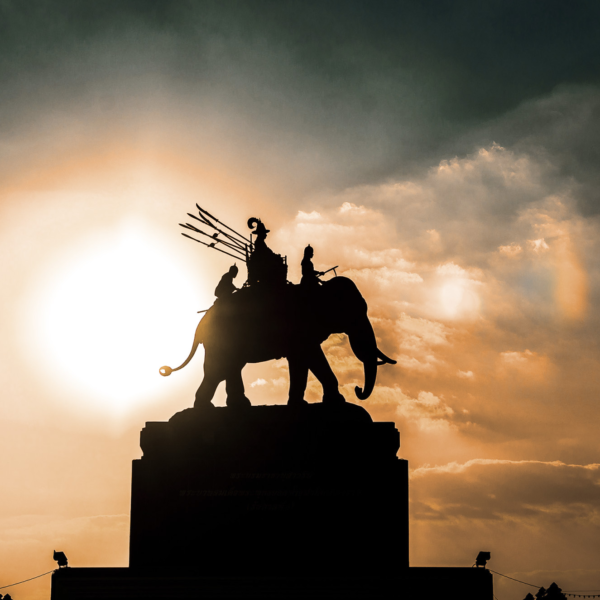
Elephants aren’t just animals to us—they’re spiritual symbols. Erawan, the three-headed elephant, carries the Hindu god Indra. White elephants are considered sacred, gifts to Thai royalty. Throughout history, war elephants defended our kingdoms, and elephants logged our teak forests (before we realized that wasn’t sustainable). Today, sanctuaries like Elephant Nature Park in Chiang Mai, Boon Lott’s Elephant Sanctuary (BLES) in Sukhothai, and Wildlife Friends Foundation Thailand (WFFT) near Pattaya are rescuing elephants from tourism and logging industries, giving them retirement homes with dignity.
Here’s what an authentic day looks like: You arrive early (elephants are morning creatures), meet your assigned elephant and learn their rescue story—many have scars from bullhooks or chains that’ll break your heart. Then you prepare their breakfast: massive baskets of bananas, pumpkins, and sugar cane. Elephants eat 200+ kg daily, and watching them delicately select fruit with their trunks (which have 40,000 muscles—more than your entire body) is mesmerizing. P’Wit, a ranger, jokes: “They’re pickier than my teenage daughter. Wrong banana? They’ll toss it and give you the look.”
Next comes bath time—elephants love water. You’ll wade into a river or mud pit, splash them (they’ll splash back, trust me), and scrub their leathery skin with brushes. It’s playful, muddy chaos, and you’ll realize these 4-ton beings are basically giant, wrinkly puppies. The bond you feel isn’t manufactured—it’s real, because there’s no coercion. Elephants here choose to interact. If they wander off to munch bamboo, that’s their call.
Why This Matters Culturally:
Thais are grappling with our elephant tourism legacy. For decades, mahouts (elephant handlers) relied on riding camps for income after logging was banned in 1989. Shifting to ethical tourism means retraining mahouts, educating tourists, and supporting sanctuaries financially. When you visit an ethical sanctuary, you’re voting with your wallet for a more compassionate Thailand—one where we honor elephants as the national treasures they are, not commodities.
How to Spot Ethical Sanctuaries:
- No riding, period. Elephants’ spines aren’t built for carrying humans. Any place offering rides is a hard no.
- No performances—Painting, dancing, or “tricks” involve cruel training methods. Pass.
- Small groups—Ethical places cap visitors at 10-20/day to minimize stress on elephants.
- Rescued elephants—Check their stories. Legitimate sanctuaries are transparent about rescues.
- Natural behavior encouraged—Elephants roam freely, forage, and socialize with their herd.
Local Insider Tips:
- Book in advance—Popular sanctuaries like ENP fill up months ahead. Seriously, don’t wing this.
- Ask about mahout welfare—Ethical sanctuaries employ former mahouts at fair wages, preserving traditional knowledge while phasing out exploitation.
- Stay overnight if possible—Multi-day programs (like BLES) let you experience dawn feeds and nighttime herd dynamics. Life-changing, khrap.
- Bring closed-toe shoes—You’ll be in mud and rivers. Flip-flops are a rookie mistake.
- Listen to guides—Elephants have personalities and boundaries. A flapping ear or raised trunk? Back off respectfully.
When to Go: Year-round (avoid April’s peak heat for elephants’ sake)
Cost: $50-80 USD for day visits, $150-300 for multi-day stays
Book Through: Direct via sanctuary websites or ethical tour operators
One more thing: If you see an elephant on the street in Bangkok or Pattaya? Don’t feed or pay for photos. Those elephants are illegally there, stressed and malnourished. Report sightings to TAT or local authorities instead. We’re trying to end this, and every report helps.
Spending a day with elephants at a sanctuary isn’t just an experience—it’s a lesson in compassion, a glimpse into Thai reverence for nature, and honestly? It might just change how you see the world. Definitely changed me. 🐘
4. Monk Chats and Temple Stays
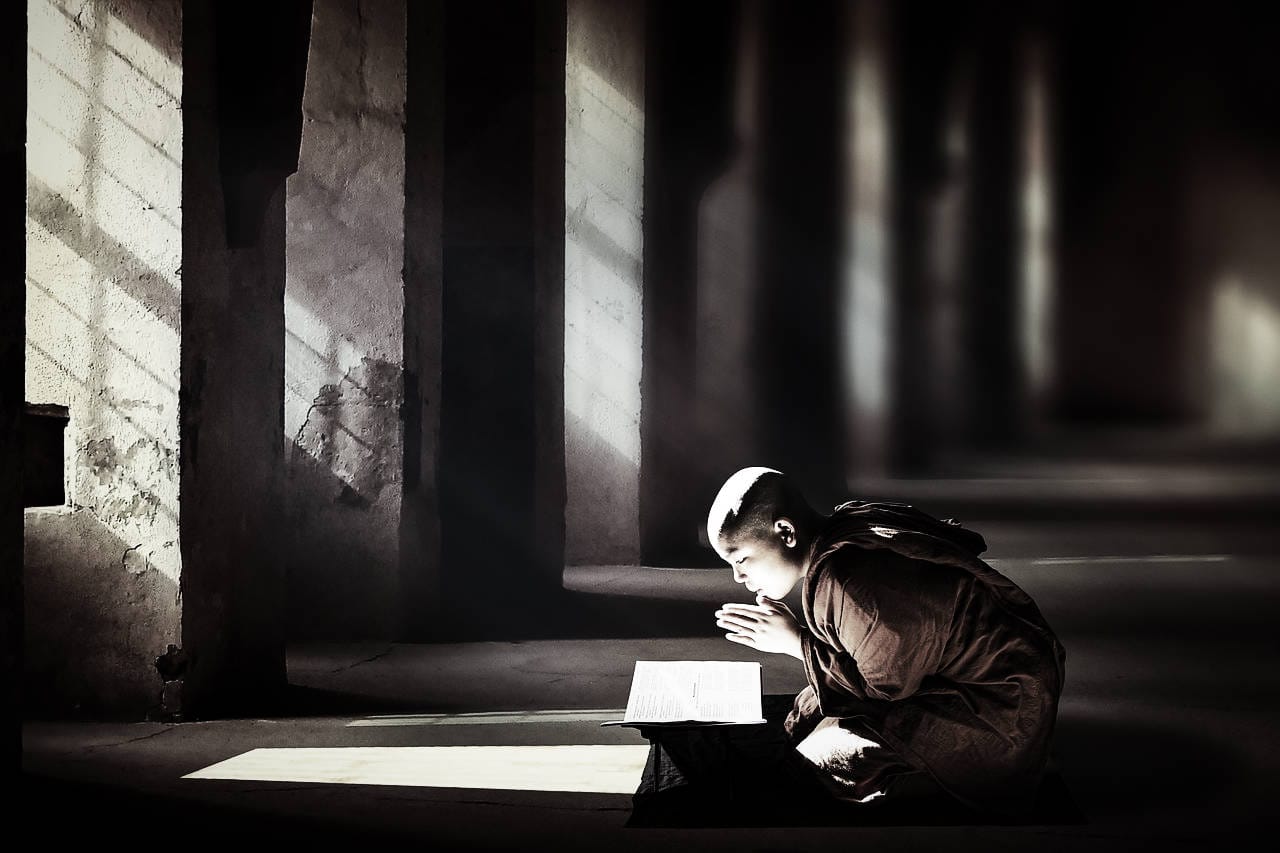
Ever wanted to ask a Buddhist monk about the meaning of life over iced tea? In Thailand, you can—and we call it a monk chat. No appointment, no formality (well, some formality—we’re still Thai), just genuine conversations about dharma, meditation, impermanence, or why we’re all stressing about things we can’t control. It’s like free therapy, except your therapist is wearing saffron robes and has achieved a level of contentment you can only dream of.
Monk chats happen at temples across Thailand, but Chiang Mai’s Wat Chedi Luang and Wat Suan Dok are legendary for their programs. Every day (usually 9 AM-6 PM), English-speaking monks sit under shaded pavilions, sipping tea, ready to chat with curious travelers. Topics? Your choice. Want to understand Buddhist reincarnation? Ask. Struggling with attachment to your ex? They’ve heard it. Curious why we Thais are so chill (spoiler: we’re not always—we just hide stress better)? Perfect opening.
Phra Boonchai, a monk I’ve chatted with at Wat Suan Dok, puts it beautifully: “Western minds seek answers. Buddhist minds seek understanding. Answers are fixed; understanding flows like the Mekong River. We’re here to help you flow.” (Yes, Thai monks drop wisdom like that casually. It’s both inspiring and slightly intimidating.)
But if you want to go deeper—like, monastery-deep—consider a temple stay. Wat Pa Tam Wua in Mae Hong Son, Wat Suan Mokkh near Surat Thani, and Wat Mahathat in Bangkok offer multi-day retreats where you live as a temporary monk or nun (mae chi). We’re talking: waking at 4 AM for chanting, meditating for hours, eating simple vegetarian meals (one meal a day at some temples—hello, intermittent fasting), and observing noble silence. It’s intense, humbling, and the kind of experience that makes you question every material thing you own.
What to Expect at a Temple Stay:
- White robes—You’ll wear these as a lay practitioner. They symbolize purity and simplicity (also, they’re super comfy).
- Shaved head (optional)—Some retreats require it; others don’t. If you do shave, it’s incredibly freeing—like shedding an old skin.
- Meditation training—Walking meditation (jongrom), sitting meditation, mindfulness practices. It’s harder than it sounds. Your mind will wander to lunch plans, that embarrassing thing you said in 2012, and whether you left the stove on.
- Dharma talks—Monks teach in English or Thai (translators available). Topics range from the Four Noble Truths to dealing with modern anxiety.
- No phones, no distractions—Just you, your thoughts, and the sound of temple bells. Terrifying and liberating in equal measure.
Cultural Insight:
In Thailand, nearly every man becomes a monk temporarily—usually for a few weeks to months—as a rite of passage and to “make merit” for their parents (especially mothers, who can’t ordain as monks in Theravada Buddhism). This tradition connects us to dharma from a young age. When you participate in monk chats or stays, you’re tapping into a practice that’s shaped Thai identity for centuries.
Regional Variations:
- Central Thailand (Bangkok, Ayutthaya): More formal, structured programs. Great for beginners.
- North (Chiang Mai, Mae Hong Son): Forest monasteries with nature immersion. Think misty mountains and birdsong during meditation.
- South (Surat Thani): Wat Suan Mokkh offers 10-day silent retreats—hardcore but transformative. Not for the faint-hearted (My sister lasted 4 days her first attempt—respect to anyone who completes it).
Local Insider Tips:
- Dress modestly—Long pants, shoulders covered. Remove shoes before entering temple buildings (always).
- Women: Maintain distance—Monks can’t touch women or receive items directly from them. Place offerings on a cloth or table. It’s not sexist; it’s a monastic precept about minimizing attachment.
- Bring questions on dharma, not dogma—Monks love discussing philosophy but avoid debates about “who’s right” between religions. Buddhism is chill like that.
- Practice the wai properly—bringing your palms together, point your fingers upwards, and bow your head so that your thumbs are positioned between your eyebrows level for monks (higher for Buddha statues). It’s respect, and we notice when tourists skip it.
- Silence is golden—In temple stays, resist the urge to fill silence with chatter. Let the quiet teach you.
- Don’t expect enlightenment—You’ll leave with insights, sure, but also sore knees from sitting cross-legged and a new appreciation for your morning coffee. And that’s okay.
Monk Chat Etiquette Refresher:
- Listen more than you talk—These chats aren’t about you performing; they’re about learning.
- Don’t flirt—Yes, this has happened. No, it’s not okay. Monks are celibate and off-limits, folks.
- Donate if you can—Temples rely on donations. A small contribution (50-100 baht) for the chat is appreciated but not required.
When to Go: Year-round for monk chats; temple stays vary (check websites for retreat schedules)
Cost: Monk chats are free (donations welcome); temple stays $10-50 USD (some are donation-based)
Book Through: Temple websites directly.
Monk chats are windows into Thai Buddhism’s Mettā—loving-kindness. We believe sharing wisdom reduces suffering. The monks giving their time freely embodies the Buddhist principle of sharing wisdom to alleviate suffering. It is a genuine act of generosity (Dāna). And honestly? After a chat at Wat Chedi Luang, watching the sun set over ancient stupas while pondering impermanence, you’ll understand why Thais find sabai even in chaos.
It’s not about becoming Buddhist. It’s about becoming more you—just a calmer, wiser version. And maybe that’s the best souvenir Thailand offers. 
5. Muay Thai Training Sessions
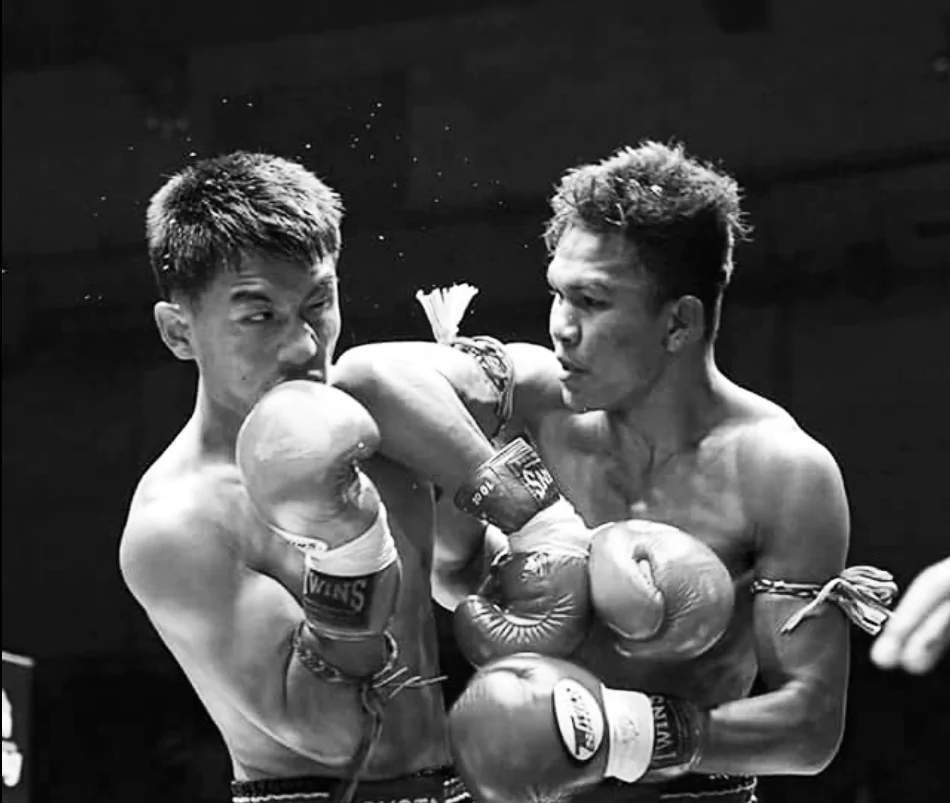
Think Muay Thai is just punching and kicking? Oh, you sweet summer child. This ancient martial art—our “Art of Eight Limbs” (fists, elbows, knees, shins—we fight with everything)—is as much about discipline, respect, and spiritual fortitude as it is about devastating roundhouse kicks. When you step into a Bangkok gym at dawn, wrapping your hands while traditional sarama music plays, you’re not just learning to fight. You’re stepping into 2,000 years of Thai warrior heritage, wrapped in sweat-soaked tradition and an ungodly amount of clinch work.
Muay Thai isn’t a sport to us—it’s a lifestyle. Historically, it was battlefield combat for Thai soldiers defending our kingdom from Burmese invasions (shoutout to Nai Khanom Tom, the legendary fighter who beat 10 Burmese opponents back-to-back in 1774 and earned his freedom—legend). Today, it’s our national sport, a path out of poverty for rural kids, and increasingly, a global phenomenon. But here’s the secret: training in Thailand, at a local gym, is wildly different from that trendy MMA class back home.
Authentic Muay Thai gyms—think Sitsongpeenong in Bangkok, Santai Muay Thai in Chiang Mai, or Sinbi Muay Thai in Phuket—aren’t flashy. They’re open-air, sweat-stained, and smell like Tiger Balm and dedication. You’ll train alongside Thai fighters prepping for stadium bouts, not just tourists looking for a workout. And khrap, they’ll push you. Hard.
What a Training Session Looks Like:
- 6 AM start—Thais train early to avoid heat. You’ll jog, skip rope (prepare for humiliation—Thai kids can skip rope circles around you), and do conditioning drills until your lungs scream.
- Shadowboxing & Pad Work—Your trainer holds pads, calling combinations in Thai (“jab, cross, low kick!“). They’ll correct your form relentlessly because sloppy technique gets you knocked out.
- Heavy Bag Drills—Perfecting that teep (push kick) that keeps opponents at bay, or the elbow strikes that make Muay Thai so brutal.
- Clinch Work—This is the Muay Thai specialty. You’ll grapple in close range, learning to control opponents and land knees. It’s exhausting, strategic, and feels like wrestling a sweaty octopus.
- Cool Down & Stretch—Because flexibility prevents injuries. Also, traditional wai kru (respect dance) practice if you’re serious.
Cultural Gold:
Before fights, Thai boxers perform the Wai Kru Ram muay—a ritualized dance honoring teachers (kru), parents, and the gym. Each gym has its own style, passed down through generations. It’s spiritual armor before battle, and watching it gives me chills every time. Fighters also wear mongkol (sacred headbands blessed by monks) and pra jiad (armbands), believing these protect them in the ring. Muay Thai isn’t just physical—it’s metaphysical.
Why Train Here:
P’Jai, a trainer in Chiang Mai with 100+ fights under his belt, explains: “In Thailand, Muay Thai teaches Ott Toun and sabai jai—Resilience and peaceful heart. You learn to stay calm when someone’s trying to kick your head off. That lesson? It translates to life. Traffic jam? Sabai sabai. Boss yelling? Breathe, like in the ring.” He’s not wrong. Thais use Muay Thai philosophy—patience, respect, resilience—off the mats daily.
Local Insider Tips:
- Start with basics—Don’t jump into sparring day one unless you enjoy concussions. Build fundamentals first.
- Respect the wai—Bow when entering/exiting the ring. Never step over ropes (it’s disrespectful—duck under). Don’t point feet at trainers or Buddha images in gyms.
- Hydrate like your life depends on it—Thailand’s heat will wreck you. Coconut water and electrolytes are your friends.
- Wear proper gear—Shorts (no pockets), hand wraps, gloves. Many gyms rent gear, but bring your own mouthguard (hygiene, people).
- Watch fights at stadiums—Lumpinee or Rajadamnern in Bangkok. Seeing pros fight live is educational and electrifying. The crowd energy, the betting, the ceremonial music—it’s peak Thai culture.
- Train for at least a week—One session is fun; a week lets you grasp technique and philosophy. Some gyms offer month-long packages with accommodation.
Health Note:
Muay Thai is intense. If you’re out of shape, start slow. I’ve seen tourists pull muscles or pass out from pushing too hard. Listen to your body—and your trainer. They’ve seen it all.
When to Go: Year-round, but mornings (6-9 AM) or late afternoons (4-7 PM) are best
Cost: $20-40 USD per session, $200-500 for week/month packages
Book Through: Gym websites or walk-ins (most welcome drop-ins)
Training Muay Thai is like tapping into something primal and profoundly Thai. It isn’t about becoming a fighter (unless you want to—then respect). It’s about understanding discipline, humility, and that Thai warriors have been graceful and deadly for centuries.
Plus, you’ll have the best calves of your life. Just saying. 🥊
6. Handicraft Villages like Bo Sang
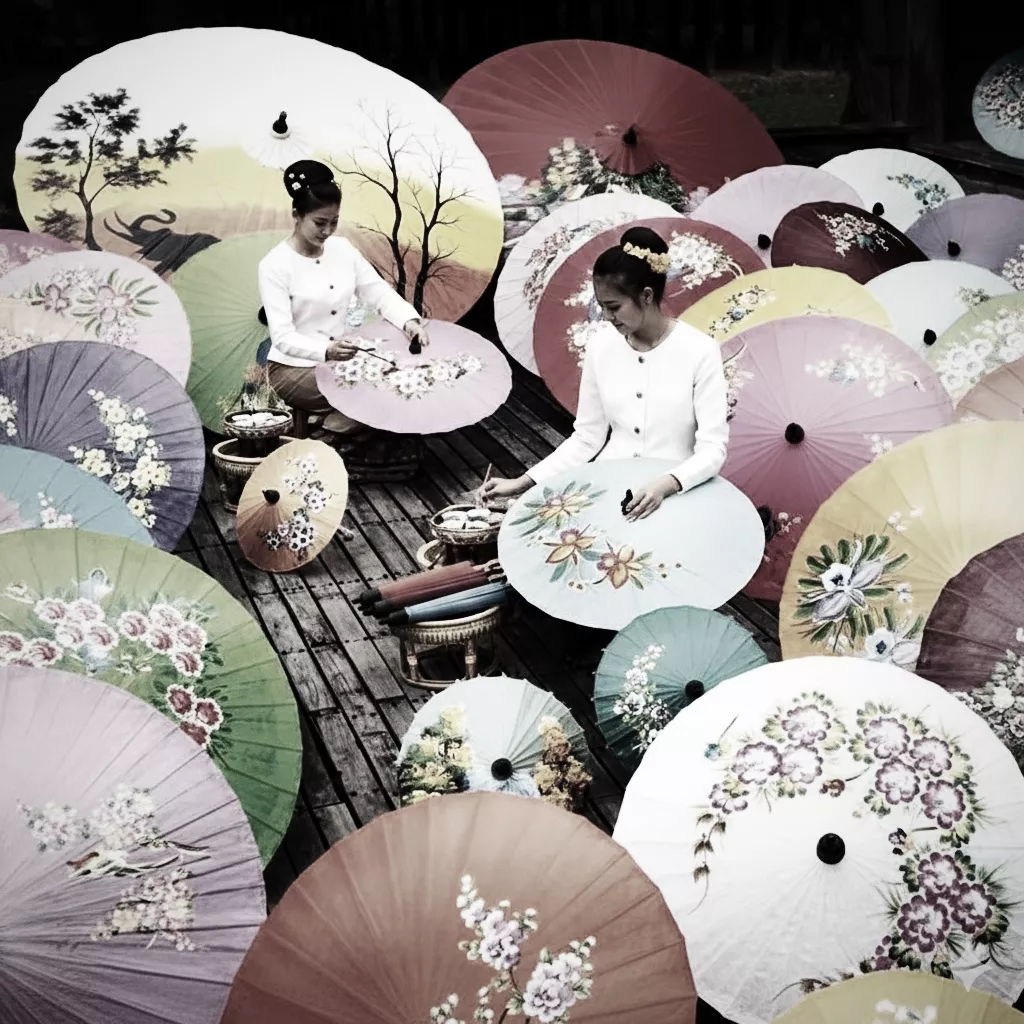
If Thailand’s culture were a tapestry, our handicraft villages would be the golden threads—delicate, intricate, and woven with generations of skill. Places like Bo Sang (the “Umbrella Village”) near Chiang Mai aren’t tourist traps; they’re living museums where artisans still practice crafts passed down from grandparents, great-grandparents, and beyond. We’re talking hand-painted umbrellas, silk weaving, silverwork, and pottery made with techniques that predate Instagram by, oh, a few centuries.
Bo Sang is the crown jewel. About 9 km east of Chiang Mai, this village has been crafting saa paper umbrellas since the late 1800s, when a monk brought the technique from Burma. Today, you’ll find workshops lining the main road, each one a family business where you can watch artisans paint bamboo-framed umbrellas with mythical creatures, floral patterns, or abstract designs that somehow feel both traditional and modern. The smell of lacquer, the rustle of oiled paper, the focused silence of painters at work—it’s meditative, honestly.
What Makes It Authentic:
Auntie Mali, a third-generation umbrella painter at Bor Sang Handicraft Center, explains while deftly outlining a peacock: “Every umbrella tells a story—niyai (legend), nature, or dreams. When you buy one, you’re taking home not just an object but our family’s chit jai (heartwork).” And she’s right. These aren’t mass-produced souvenirs; they’re art. Some umbrellas take days to complete, with layers of paint and lacquer applied, dried, and repeated until colors glow like stained glass.
The Experience:
Most workshops welcome visitors to try painting. They’ll hand you a brush, show you basic strokes, and let you loose on a small umbrella or fan. Spoiler: It’s harder than it looks. My first attempt looked like a toddler’s finger painting. But that’s the beauty—you gain instant respect for the artisans’ steady hands and creative vision. Plus, you leave with a one-of-a-kind piece you made (or, you know, tried to make).
Other Handicraft Villages Worth Visiting:
- Ban Thawai (15 km south of Chiang Mai) is known as Thailand’s “wood carving capital,” producing intricate wood carvings, teak furniture, and Buddhist sculptures. Visitors can explore open-air studios and galleries, which support local OTOP initiatives for sustainable crafts.
You might be interested in seeing the incredible detail of the woodwork! Baan Tawai: Inside Chiang Mai, Thailand’s Wood Carving Village – YouTube shows the craftsmanship and the village life at Ban Thawai,
- Dan Kwian (Nakhon Ratchasima, Isaan): Famous for rust-colored pottery made from local clay rich in iron oxide. The pottery has this earthy, reddish-brown hue that’s distinctly Isaan—rustic yet elegant. Watch potters throw clay on wheels powered by foot pedals (no electricity needed), shaping vases, bowls, and sculptures with techniques unchanged for centuries.
- Sankampaeng (Chiang Mai): The silk and cotton weaving capital. You’ll see looms clacking rhythmically as weavers create intricate patterns—some so complex they take weeks to complete a single piece. The workshops here also do batik (wax-resist dyeing) and lacquerware.
Cultural Deep Dive:
Thai handicrafts aren’t just about aesthetics—they’re identity markers. Northern Lanna crafts (umbrellas, silverwork, wood carving) reflect influences from Burma and ancient Lanna Kingdom. Isaan textiles (mudmee silk, indigo) showcase the region’s connection to Laos and Khmer culture. Southern basketry uses pandan leaves and rattan, materials abundant in tropical forests. Each craft tells you where you are in Thailand and who made it.
And here’s something beautiful: Many villages have community cooperatives where profits are shared, ensuring artisans—especially women, who dominate textile crafts—earn fair wages and preserve traditions. When you buy directly from these villages, you’re supporting sustainable livelihoods, not just collecting souvenirs.
Local Insider Tips:
- Visit workshops, not just showrooms—Showrooms are fine for browsing, but workshops let you see the process. That’s where the magic lives.
- Ask artisans about their craft—They love sharing! Questions like “How long did this take?” or “Who taught you?” open floodgates of stories. Many speak limited English, but enthusiasm transcends language (and younger family members often translate).
- Buy directly from makers—Prices are fair, quality is guaranteed, and you’re cutting out middlemen. Plus, artisans will often personalize pieces or teach you basic techniques.
- Time your visit—Mornings (8-11 AM) are best. Artisans work when light is good, and afternoons can be slow (we Thais nap during peak heat—sanuk includes rest, khrap).
- Respect the process—Don’t touch unfinished work or interrupt crucial steps (like when potters are centering clay). Watch, ask during breaks, and tip or buy if you appreciate what you see.
- Shipping is possible—Large umbrellas or ceramics? Most villages can ship internationally. It’s not cheap, but better than cramming a 2-meter umbrella into your carry-on and having airport security judge you (personal experience—don’t ask).
When to Go: Year-round, but cooler months (November-February) are comfortable for village walks
Cost: Free to visit; crafts range from $5 (fans) to $500+ (large lacquer pieces or intricate silk)
How to Get There: Rent a scooter or hire a songthaew (red truck taxi) in Chiang Mai; Bo Sang is 20 minutes away
One afternoon in Bo Sang, I watched Auntie Mali paint a dragon onto an umbrella—each scale perfectly placed, each whisker a single brushstroke. She paused, looked at me, and said, “This dragon? My grandmother painted the same one 60 years ago. Same strokes. Same spirit. When I paint, she’s here with me.” And that’s why these villages matter. They’re not museums frozen in time—they’re living traditions where past and present shake hands, paint umbrellas, and weave silk together.
You can’t get that at a mall. Trust me. 🎨
The essence of Songkran is deeply embedded in Thai culture, where water symbolizes purification and the washing away of misfortunes.
7. Songkran Water Festival
If you thought New Year’s Eve was the ultimate global party, Songkran would like a word—preferably while dousing you with ice water from a Super Soaker. Welcome to Thailand’s traditional New Year (April 13-15, but let’s be real—some places stretch it to a week), where the entire nation engages in the world’s largest, most joyous water fight, all in the name of cleansing, renewal, and sanuk cranked to 11.
But here’s the thing Western media misses: Songkran isn’t just a water fight. It’s a spiritual renewal ceremony with Buddhist roots, wrapped in a package of generational respect, family reunions, and yes, okay, also drenching strangers with buckets of water while screaming “Sawatdee Pee Mai!” (Happy New Year!). It’s layers, people. Layers.
The Sacred Side:
Traditional Songkran begins with merit-making at temples—we Thais head to wats early on April 13th to offer food to monks, pour scented water over Buddha statues (gently—this is the original water ritual), and listen to dharma talks about letting go of the past year’s negativity. Then comes Rod Nam Dum Hua—the “water pouring” ceremony where younger generations pour jasmine-scented water over elders’ hands, asking for blessings. Elders respond with wishes for health, success, and happiness. It’s tender, reverent, and honestly gets me a bit emotional every year (my grandmother’s blessings always end with “and eat more—you’re too skinny,” which is peak Thai grandma energy).
This ritual embodies kreng jai (considerate respect) and bunkhun (gratitude to those who’ve cared for you). Water symbolizes purification—washing away bad luck, mistakes, grudges. The gentle pour is intentional, connecting generations through this simple, profound act.
Then? Chaos.
The Water Fight Side:
Once temple duties are done, game on. Streets become war zones. Pickup trucks loaded with barrels of water and sound systems cruise neighborhoods, passengers armed with water guns, buckets, and hoses. Strangers become allies or targets (mostly targets). No one is safe—tourists, locals, monks (okay, we don’t drench monks, but everyone else is fair game), even police officers join in. It’s democracy in action, except instead of voting, you’re voting someone’s shirt see-through.
Best Places to Experience Songkran:
- Chiang Mai’s Old City Moat: The epicenter. The moat becomes a water source, and the square km of old city is pure mayhem. DJ stages, foam parties, and locals wielding industrial-grade hoses. It’s exhilarating and exhausting.
- Bangkok’s Silom & Khao San Roads: Urban Songkran. Silom attracts Bangkok’s LGBTQ+ community for fabulous, inclusive celebrations. Khao San is backpacker central—chaotic, sticky, unforgettable.
- Ayutthaya: If you want beauty with your water fight, ancient temples provide stunning backdrops. Plus, locals do traditional processions with Buddha images—it’s cultural and wet.
- Isaan (Khon Kaen, Udon Thani): More traditional, less touristy. Families celebrate in villages, and there’s mor lam music (Isaan folk songs) alongside water splashing.
Local Insider Tips:
- Protect your electronics—Waterproof bags are essential. Phones, wallets, passports—seal them. I’ve seen tourists lose phones to rogue bucket splashes. Don’t be that person.
- Wear quick-dry clothes—You will be soaked within minutes. Lightweight cotton or athletic wear. And please, please wear a bra/proper undergarments (white shirts + water = see-through. You’ve been warned).
- Respect the elders’ pour—If you see families doing Rod Nam Dum Hua on sidewalks, don’t splash them. That’s sacred time. Wait until they finish, then resume water warfare.
- Ice water is debatable—Traditionally, water should be cool, not freezing. Some locals now use ice to shock people, but it’s considered a bit aggressive. Room-temp or slightly cool is the sabai way.
- Sunscreen & reapply—April is scorching (peak hot season, 40°C+). Waterproof sunscreen, reapply constantly, or you’ll fry.
- Stay hydrated (with actual water)—Between the heat, the exertion, and probably some celebratory Chang beer, dehydration is real. Drink water. Lots.
- Avoid sensitive areas—Eyes and face are generally off-limits for direct blasts (though accidents happen). If someone gestures “no,” respect it—they might be done playing.
Safety & Etiquette:
- No driving if you can avoid it—Songkran has Thailand’s highest accident rates (drunk driving + water-slicked roads = disaster). Walk, use rideshares, or stay put.
- Consent matters—If someone clearly signals they don’t want water (holding up hands, moving away), don’t chase them. Maybe they’re heading to an interview or have a medical reason. Jai yen (cool heart).
- No water guns in temples—Once you’re in temple grounds, weapons down. It’s sacred space.
What to Bring:
- Waterproof phone case
- Small waterproof bag for essentials
- Change of clothes (stashed somewhere dry)
- Water gun or bucket (rent/buy locally—tons of vendors)
- Sunglasses (protect your eyes from splashes)
- Sense of humor and zero ego (you WILL get wrecked by a 70-year-old grandma with a garden hose, and it WILL be hilarious)
When to Go: April 13-15, 2025 (some regions start earlier or extend longer—check local dates)
Cost: Free (water guns/gear: $5-20)
Where: Nationwide, but Chiang Mai, Bangkok, Ayutthaya are top picks
My favorite Songkran memory? Getting absolutely demolished by a group of teenagers in Chiang Mai’s moat area, then joining my friend truck crew for the afternoon. We drove around blasting luk thung music at volumes that definitely violated noise ordinances, splashing everyone, laughing until our sides hurt and our voices went hoarse. The next day came Rod Nam Dum Hua—the quieter, sacred side of Songkran. I poured jasmine-scented water over my grandmother’s hands, and she blessed me in rapid Northern dialect Thai I only half-understood. But the warmth in her eyes? That was a language everyone speaks.
That’s Songkran. It’s sacred and silly, traditional and chaotic, reverent and raucous—all at once. Just like Thailand itself, really. Come prepared to get soaked, blessed, and reminded that joy is a practice worth celebrating. 💦🎉
8. Traditional Thai Massage and Wellness
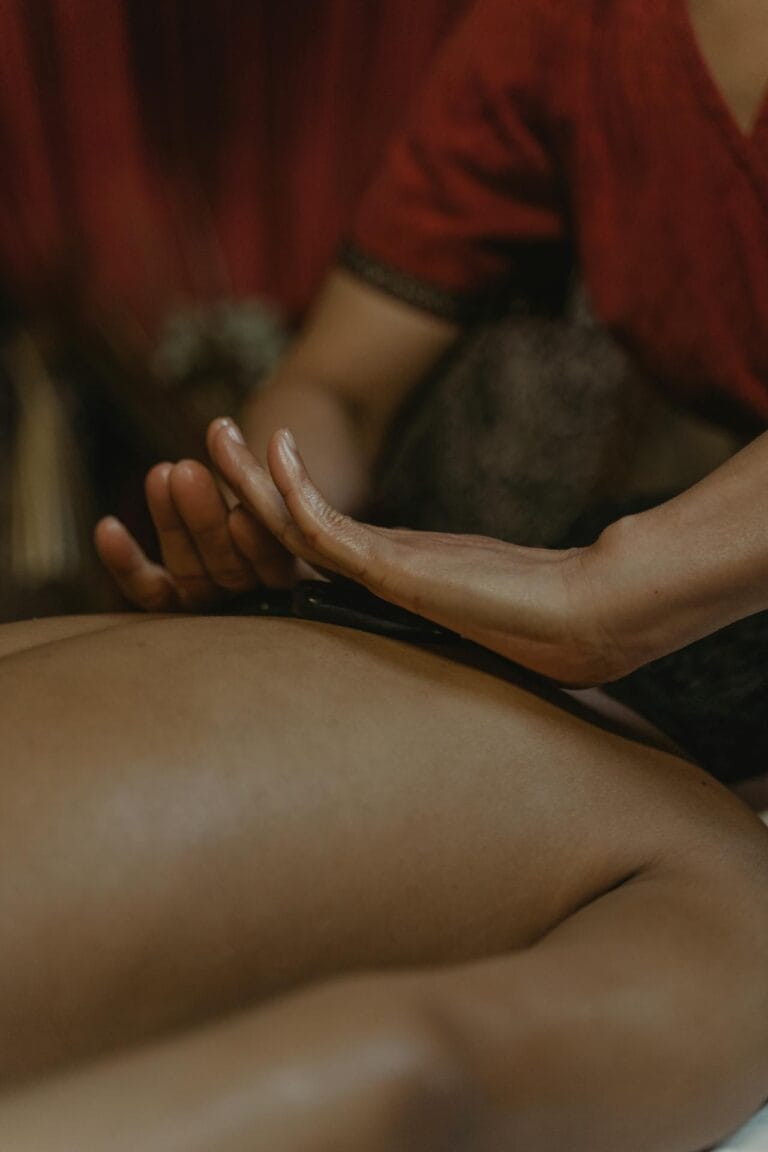
Let’s clear something up right away: Traditional Thai massage (or nuad phaen boran—”ancient-style massage”) is not a spa day with cucumber slices and whale sounds. It’s a 2,500-year-old healing art rooted in Ayurvedic medicine, Buddhist compassion, and the kind of deep-tissue work that’ll make you question every life choice that led to your shoulders being concrete blocks. It’s therapeutic, occasionally intense, and afterwards? You’ll feel like you’ve been disassembled and reassembled by a compassionate, highly skilled mechanic for the human body.
Think of it as yoga for lazy people—except you’re not doing the work; the therapist is stretching, pressing, and manipulating you into positions you didn’t know you could achieve. It’s done fully clothed on a mat on the floor, using palms, thumbs, elbows, knees, and feet to apply pressure along sen lines (energy pathways similar to Chinese meridians). The goal? Unblock energy, improve circulation, release tension, and restore balance—body, mind, spirit. It’s holistic, baby.
Where to Experience Authentic Thai Massage:
- Wat Pho Thai Traditional Medical and Massage School (Bangkok): The mothership. Wat Pho is home to the Reclining Buddha and Thailand’s most prestigious massage school, founded in 1955. Getting a massage here is like being worked on by PhDs of pressure points—they’re trained for 150+ hours before touching clients. The setting is temple-adjacent, therapists wear traditional uniforms, and the energy is meditative. Cost? Around $15-20 USD for 60-90 minutes. Bargain of the century.
- Old Medicine Hospital (Chiang Mai): Offers traditional Northern-style massage (more herbal compresses, less acrobatic stretching) plus courses if you want to learn the art yourself. The vibe is clinical but warm—think health clinic meets cultural center.
- Baan Hom Samunphrai (Bangkok): A wellness center focusing on herbal medicine and massage. They use poultices filled with lemongrass, turmeric, and Thai herbs, steamed and pressed onto sore muscles. It smells like heaven and feels like spiritual armor for your body (yes, I’m borrowing my own metaphor—it’s that good).
What Happens During a Session:
You’ll change into loose cotton pants and shirt (provided—no nudity, folks; this isn’t Swedish massage). The therapist begins with a wai and sometimes a brief Buddhist prayer (asking for healing energy to flow). Then they start with your feet (we believe feet are the foundation—fix the base, the rest follows) and work upward, using:
- Thumb presses along sen lines—sometimes gentle, sometimes “oh sweet Buddha, that’s my kidney!” intense
- Palm presses for broader areas
- Stretches—you’ll be twisted into pretzel shapes, legs over your head, spinal twists that crack things you didn’t know could crack
- Rocking motions—rhythmic, almost dance-like, which lulls you into this meditative state
- Herbal compresses (optional)—hot bundles of herbs pressed onto muscles, releasing tension and aroma
It’s Not Always Relaxing (And That’s Okay):
Here’s the truth: Thai massage can hurt. When therapists hit a knot, they work it—deeply. You might wince, breathe sharply, maybe let out an involuntary grunt. That’s normal. Thais call it “jep sabai“—”pain that feels good” or “healing hurt.” If it’s too much, say “bao bao” (gentle, gentle). Good therapists adjust pressure. But some discomfort means they’re reaching blocked energy. Afterwards, though? You float. I’m talking clouds, lightness, sabai to your bones.
Cultural & Spiritual Roots:
Thai massage was developed by Jivaka Kumar Bhaccha, a physician to the Buddha, blending Indian Ayurveda, Chinese medicine, and Thai healing wisdom. It’s considered a meditation practice for therapists—they’re trained to maintain metta (loving-kindness) while working, channeling compassion through their hands. That’s why traditional settings begin with prayer and why therapists move meditatively. You’re not just getting a massage; you’re receiving a healing ritual.
Monks historically practiced massage as a form of medical care for communities (and still do at some temples). The connection to Buddhism—service, compassion, healing—permeates every session. It’s why even in modern spas, you’ll sense a reverence that’s distinctly Thai.
Local Insider Tips:
- Choose certified schools or temples—Avoid random tourist-strip parlors advertising “massage” with neon signs and sketchy vibes. Those aren’t traditional. Legit places display certificates from Wat Pho or the Ministry of Health.
- Communicate—Tell your therapist about injuries, sensitive areas, or if you’re pregnant. They’ll modify techniques.
- Combine with herbal sauna—Many places offer traditional saunas infused with Thai herbs. Post-massage sauna = peak sabai. Your skin will glow, and toxins will flee.
- Tip appropriately—50-100 baht ($2-3 USD) is standard for temple settings; 100-200 baht for private wellness centers. It’s not required but appreciated.
- Try a course—If you’re in Thailand for a while, take a basic Thai massage course (5-10 days). You’ll learn techniques, philosophy, and leave with a skill to share. Plus, it’s incredible for your own body awareness.
- Respect the practice—This isn’t sensual or sexual. It’s therapeutic. Inappropriate behavior gets you kicked out (and you’ll deserve it).
Health Benefits (Science Backs This):
- Reduces chronic pain (back, neck, joints)
- Improves flexibility and range of motion
- Boosts circulation and lymphatic drainage
- Lowers stress and anxiety (hello, parasympathetic nervous system activation)
- Enhances sleep quality
- Can alleviate headaches and migraines
When to Go: Year-round (post-flight massage = jet lag cure)
Cost: $10-30 USD for traditional settings, $40-100 for high-end spas
Book Through: Walk-ins usually available, but Wat Pho can have waits during peak tourist season—go early (8 AM) or book ahead
One last thing: After my first Wat Pho massage, I tried to stand and nearly collapsed—my legs were jelly, my mind was floating somewhere over the Chao Phraya River, and I felt lighter. The therapist smiled and said, “You were holding much. Now you let go. Sabai mai?” (Comfortable, yes?) And I was. So, so sabai.
That’s the magic of traditional Thai massage. It’s not indulgence—it’s medicine. And in a world that’s constantly tense, maybe we all need a little nuad phaen boran to remind us that letting go is an art form Thailand has perfected.
Book your session. Thank me later.
9. Floating Markets and Canal Life
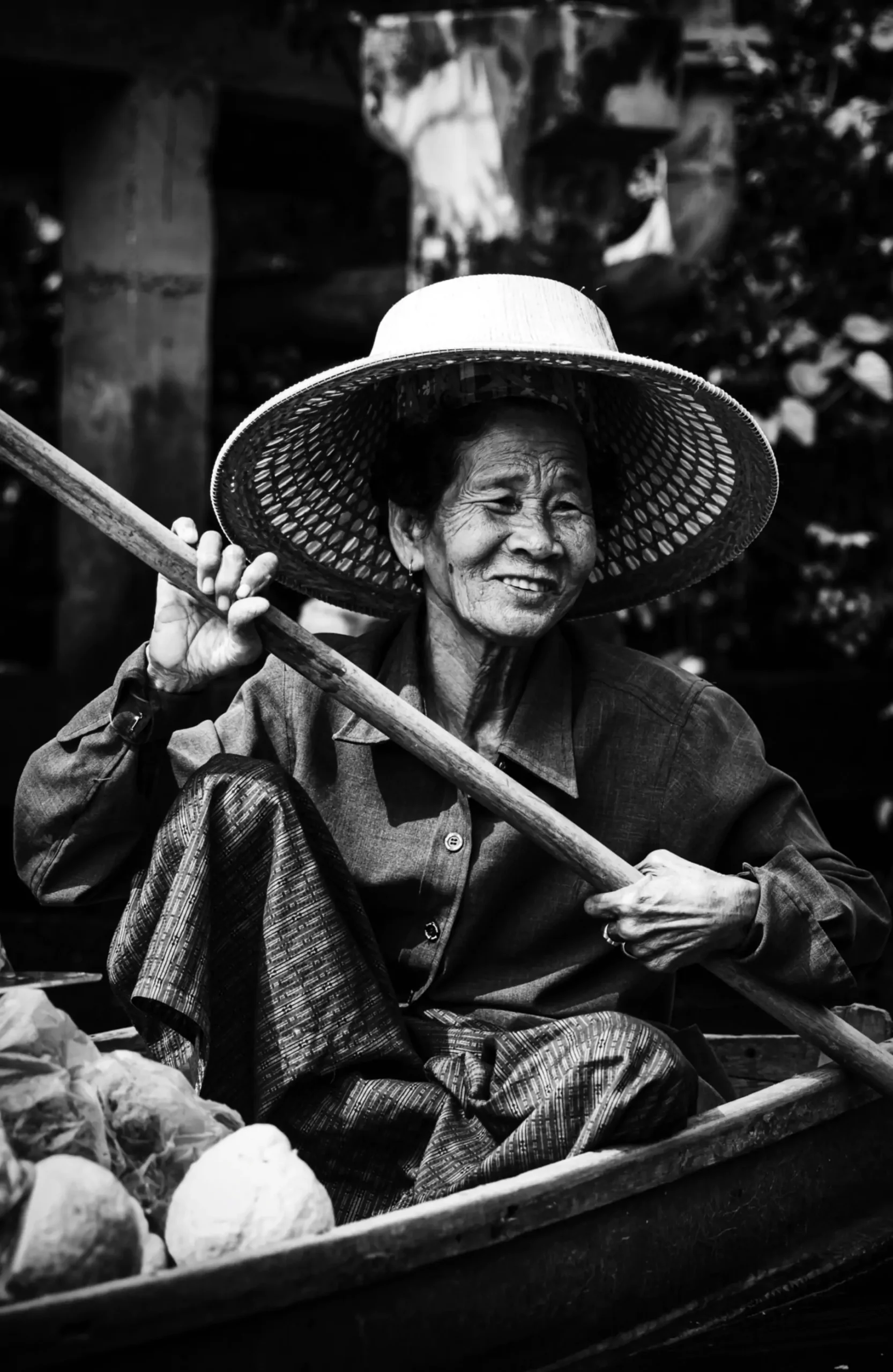
Picture this: You’re gliding down a narrow canal (khlong) in a wooden long-tail boat at dawn, the water reflecting pastel skies, wooden houses on stilts lining the banks, and ahead—a floating marketplace where vendors in wide-brimmed ngophats paddle boats loaded with mangoes, pad thai, coconut ice cream, and fresh flowers. The air smells like charcoal grills and jasmine. Someone’s grandmother calls out prices in sing-song Thai. A monk in an orange robe accepts alms from a boat. This isn’t a theme park. This is how Central Thailand lived for centuries—and in pockets, still does.
Floating markets (talat nam) aren’t just tourist attractions (though yeah, some have gone that route—we’ll get to that). They’re remnants of Thailand’s aquatic culture, back when rivers and canals were our highways and commerce floated instead of sitting in traffic. Before cars and concrete, Thais built homes, temples, and markets along waterways—the Chao Phraya River and its tributaries were the lifeblood of Central Thailand. Floating markets emerged as practical solutions: farmers brought produce by boat, vendors sold from boats, customers shopped from boats. It was efficient, social, and distinctly Thai.
Best Floating Markets (Authentic vs. Tourist):
Amphawa Floating Market (Samut Songkhram, 90 min from Bangkok):
The goldilocks of floating markets—not too touristy, not too local, just right. Amphawa operates Friday-Sunday afternoons into evenings, and it’s where Bangkok locals go for weekend getaways. Yes, there are tourists, but the ratio feels balanced. You’ll find:
- Boats grilling fresh seafood—river prawns, squid, mussels—over charcoal braziers. The smoky aroma is intoxicating.
- Traditional Thai desserts like khanom krok (coconut pancakes) and bua loi (rice balls in sweet coconut milk).
- Firefly boat tours at dusk—you cruise into darker canals where trees light up with fireflies. It’s magical, like nature’s own Christmas lights (but better, because no one’s playing Mariah Carey on repeat).
Local tip from vendor Auntie Pim: “Come around 4 PM. You’ll catch vendors setting up (less crowds), eat dinner as the sun sets, then do fireflies. Perfect sabai evening.” She’s not wrong. I’ve done this route multiple times, and it never gets old.
Damnoen Saduak (Ratchaburi, 2 hours from Bangkok):
The famous one. If you’ve seen floating market photos, probably Damnoen Saduak. It’s stunning visually—vibrant boats, photogenic vendors, that classic postcard look. But real talk? It’s touristy. By 9 AM, it’s packed with tour buses, vendors aggressively pushing sales, and prices are inflated. That said, if you go early (6-7 AM before tours arrive), you’ll catch local vendors actually shopping and trading, which is authentic. Just manage expectations—it’s more spectacle than everyday life now.
Taling Chan Floating Market (Bangkok):
The local secret. Open weekends, Taling Chan is where Bangkok families go—not tourists. It’s smaller, vendors speak limited English (perfect—you’ll practice your Thai!), and prices are fair. You’ll see:
- Karaoke stages where locals belt out luk thung songs while eating som tam.
- Fruit boats selling seasonal produce—rambutan, mangosteen, longan, whatever’s ripe.
- Traditional Thai massages offered in riverside pavilions. Yes, you can get a foot massage while watching boats float by. Peak sabai.
Khlong Lat Mayom (Bangkok):
Another local gem, Saturdays-Sundays. Khlong Lat Mayom feels like a neighborhood gathering—families eating together, kids running around, grandmas selling homemade curries. It’s unpretentious and delicious. The boat noodleshere (rich, herby broth served in tiny bowls—you eat 5-10 bowls in a sitting, we don’t mess around) are some of Bangkok’s best. Plus, there’s a vintage market section with old Thai collectibles and antiques.
What to Eat:
- Boat noodles (kuai tiao rua)—Bangkok’s iconic small-bowl noodle soup, originally sold from boats.
- Grilled seafood—Prawns, squid, fish, all cooked fresh on boat grills.
- Pad Thai from a boat—Watching vendors stir-fry in a wok on a rocking boat is mesmerizing (and slightly terrifying—one wrong move and that’s pad thai in the canal).
- Coconut ice cream—Served in coconut shells, topped with peanuts and sticky rice. Refreshing and Instagram-bait (but genuinely tasty).
- Fresh fruit—Mangoes, pineapple, pomelo, cut and ready. Thai fruit is unmatched, and canal air somehow makes it taste better.
Cultural Insight:
Canal life (chiwit khlong) represents Thailand’s adaptability. When floods came (and they do—monsoon season is real), houses on stilts stayed dry. When roads were impractical, boats sufficed. Even today, some Bangkok neighborhoods—like Thonburi’s older districts—rely on canals for daily transport. Long-tail boat taxis zip through narrow waterways, avoiding Bangkok’s infamous traffic. It’s a parallel world where life moves slower, greener, and more connected to water’s rhythm.
Floating markets are Thailand’s communal DNA. We gather, we trade, we eat, we gossip—all on water. It’s social infrastructure disguised as commerce.” Markets aren’t just about buying; they’re about being together. That’s why locals linger, chatting with vendors they’ve known for years, swapping recipes and rumors.
Local Insider Tips:
- Go early or late—Mornings (6-8 AM) for authenticity, evenings (4-7 PM at Amphawa) for atmosphere. Midday is tourist hell.
- Negotiate gently—Prices at floating markets are negotiable, but don’t be aggressive. A smile and “lod dai mai?” (can you lower it?) works better than hardball tactics. We Thais value jai dee (good-heartedness) in transactions.
- Hire a long-tail boat—Most markets offer canal tours ($5-10 USD per person, 30-60 min). You’ll see stilt houses, temples, daily life along canals. Worth it for perspective.
- Bring cash—Boats don’t take cards. Small bills (20, 50, 100 baht notes) make transactions smooth.
- Watch for photo fees—Some vendors charge 20-40 baht to photograph them in traditional attire. It’s fair—they’re part of the attraction. Ask first, pay if requested, wai to thank.
- Try everything—Portion sizes are small. Sample widely. That’s the sanuk of markets—variety!
Avoid These Traps:
- Package tours from Bangkok—They rush you, hit Damnoen Saduak at peak crowds, and include stops at overpriced souvenir shops. Book independent transport (van, taxi, or even rent a car) and explore at your own pace.
- Overpriced boat rides—Tour operators quote $30-50 USD for what locals pay $5. Book through markets directly, not hotel concierges.
- Fake “floating” vendors—Some markets now have vendors in stationary boats for photo ops. If boats aren’t moving or selling real goods, it’s staged.
Sustainability Note:
Canal pollution is a real issue. Bangkok’s canals, while improving, still struggle with trash and wastewater. Some markets (like Taling Chan) have cleanup initiatives, but it’s imperfect. As visitors, avoid tossing trash in water, support vendors using eco-packaging, and maybe join a canal cleanup volunteer program if you’re in Bangkok long-term. We’re trying to preserve canal culture, and that means protecting the waterways themselves.
When to Go: Year-round; Amphawa (Fri-Sun), Taling Chan & Khlong Lat Mayom (Sat-Sun), Damnoen Saduak (daily)
Cost: Free entry; food/shopping $5-20 USD, boat tours $5-10
How to Get There: Vans from Bangkok’s Southern Bus Terminal, or book private transport
My favorite floating market moment? Amphawa at dusk, sitting on the canal edge with a plate of grilled prawns, watching boats glide past while fireflies start their light show. An elderly vendor paddled by, selling jasmine garlands. I bought one, and she looped it around my wrist, saying “chok dee nah” (good luck). The jasmine’s scent mixed with river breeze, and for a moment, Bangkok’s chaos felt a thousand miles away.
That’s the gift of floating markets—they slow you down, pull you into Thailand’s watery past, and remind you that sometimes the best experiences aren’t on land. They’re floating, fragrant, and fleeting—just like the perfect day in Thailand.
10. Visiting Isaan Villages
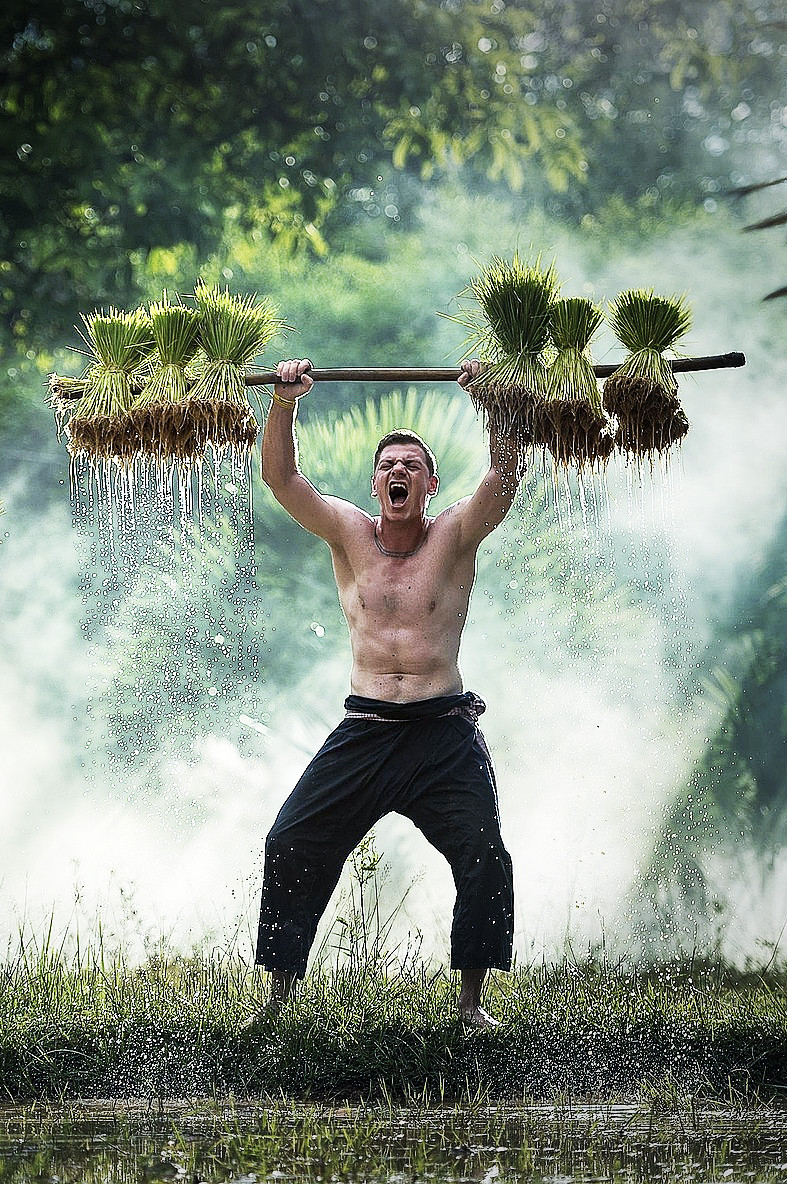
Alright, let’s talk about Isaan—Thailand’s northeastern region that’s basically the country’s beating heart, even if it doesn’t get the beach resort hype. Isaan is earthy, unpretentious, fiercely proud, and home to one-third of Thailand’s population. It’s where rice fields stretch to horizons, where som tam (papaya salad) was born and perfected, where mor lam music (think Thai country blues) tells stories of hardship and resilience, and where visiting a real community will teach you more about authentic Thai life than a month in Bangkok ever could.
We’re talking about places where rice fields stretch to horizons, where grandmothers still weave silk using centuries-old techniques, where village festivals involve homemade rockets and ghost masks, and where the food is so authentically spicy you’ll finally understand why we Thais are obsessed with chili. This is Thailand without the tourist polish—raw, real, and absolutely worth the journey.
Why Isaan Communities Hit Different:
Isaan families practice hospitality as religion. Even though many are rice farmers living simply (Isaan is Thailand’s poorest region economically, but richest in spirit—fight me), they’ll share their best food, give you their comfiest mat, and treat you like long-lost family. Isaan people have jai suu—fighting spirit—but also nam jai—generosity. They don’t have much, but what they have, they share. That’s the Isaan way.
The beauty? You don’t need to book fancy tours. Just show up, be respectful, ask questions, and watch our elders light up when someone actually cares about our culture.
Rice Farming Culture: The Backbone of Everything
If you visit during planting season (June-July) or harvest time (November-December), you’ll see our communities come alive. Fields fill with neighbors helping neighbors, singing work songs, sharing lao khao (rice whiskey) during breaks. The communal vibe is pure Isaan soul.
Stop by any rice farming community and watch the process. Most farmers are happy to explain (especially if you show genuine interest, not just “Instagram and leave” energy). You’ll understand why every grain matters, why khao niaw (sticky rice) is sacred to us, and why farming life, despite being backbreaking, creates bonds that cities can’t replicate.
Silk Weaving Villages: Where Patience Becomes Art
Isaan is famous for mudmee silk—those gorgeous tie-dye patterns you see in Bangkok boutiques for crazy prices. Visit the source communities and you’ll see our mothers and grandmothers at traditional looms, pedaling rhythmically while threads interlock into intricate patterns that take weeks to complete.
The colors come from natural dyes—indigo for blues, tamarind for browns, turmeric for golds. Watching an Isaan weaver work is like watching meditation in motion—precise, patient, passed down through generations. Many communities welcome visitors to observe and even try (expect tangles, laughter, and newfound respect for every silk scarf in existence).
Food Wisdom: Why Isaan Cuisine Doesn’t Apologize
You haven’t experienced Thai food until you’ve eaten in Isaan. Forget those toned-down Bangkok restaurant versions—our food is zap (spicy), fermented, intense, and unapologetic.
Watch our aunties make som tam with pla ra (fermented fish sauce—funky, fiery, addictive). See how laap (minced meat salad) gets its complex flavor from toasted rice powder and lime. Learn why sai krok Isaan (fermented sausage) is sour, garlicky perfection.
As my friend – Aew from Khon Kaen says: “Isaan food is zap because life here is hard. Spice makes us forget hardship. Plus, it’s zap hlai (damn delicious)!” She’s not wrong. Many communities offer casual cooking demonstrations or market tours—just ask around.
Village Festivals: When Isaan Goes Wild
Time your visit right and you’ll catch festivals that’ll blow your mind:
- Bun Bang Fai (Rocket Festival, May): Villages launch homemade rockets skyward to ask for rain. It’s chaotic, competitive, involves copious lao khao and dancing. Think county fair meets ancient rain ritual.
- Phi Ta Khon (Ghost Festival, varies): In Dan Sai (Loei Province), locals dress in elaborate ghost masks and costumes, parading through streets. Part Buddhist, part animist, 100% surreal.
- Candle Festival (Ubon Ratchathani, July): Massive, intricately carved wax sculptures parade to temples for Buddhist Lent. The artistry is staggering.
These aren’t tourist shows—they’re our real celebrations. You’ll be welcomed if you show respect and genuine curiosity.
Four Hidden Gem Communities (Locals’ Picks)
1. Ban Chiang (Udon Thani) – Where Civilization Started
This UNESCO World Heritage Site showcases 5,000-year-old painted pottery and archaeological excavation pits. But what makes it special? The Tai Phuan ethnic community that lives here now.
What to experience:
- Ban Chiang National Museum (seriously world-class archaeology)
- Watch Tai Phuan cultural performances (folk dances passed down for generations)
- Visit pottery workshops where artisans still use ancient techniques
- Walk the Cultural Road and chat with locals about their heritage
- Try Pha Laeng traditional dinner if you’re invited (communal low-table feast, the way our ancestors ate)
Local wisdom: The Tai Phuan people are incredibly proud of their heritage but often overlooked. Ask about their migration history from Laos centuries ago—you’ll get fascinating stories.
2. Khemmarat (Ubon Ratchathani) – Mekong River Soul
Ancient community along the Mekong with vintage architecture and deep river culture. The vibe here is distinctly different—more Lao-influenced, slower-paced, utterly charming.
What to experience:
- Khemmarat Thani Walking Street (Saturdays—locals actually shop here, not just tourists)
- Wat Pho Temple to see Phra Chao Ong Saen (revered Buddha image)
- Watch traditional hand-woven cotton fabric production
- Learn about natural-dyed tie-dye techniques
- Visit Khun Phuree Prasat House Museum (beautiful old Thai-Lao architecture)
- Had Sai Sung beach (yes, a massive sand beach along the Mekong River)
Insider tip: The soap made from Mhak Wa Nam (local riverside plant) is our grandmas’ original sustainable beauty product. Many families still make it—ask to see the process.
3. Ban Sanuan Nok & Nai (Buriram) – Khmer Soul in Isaan
We still speak Khmer as our first language here, and our silk—Pha Mai Hang Krarok (Squirrel Tail Silk)—is legendary. The patterns are so intricate they take months to complete.
What to experience:
- Complete silk production journey: mulberry cultivation, silkworm raising, silk reeling, spinning, weaving
- Ruam Troht blessing dance performances (ancient Khmer tradition, especially during Songkran)
- Ancient rice barns (architectural marvels that’ve survived centuries)
- Traditional Khmer attire demonstrations
- Coconut shell bell-making workshops
Cultural note: The Khmer influence here is strong but distinctly southern Isaan—different from Cambodian Khmer. Ask elders about the differences; they love explaining our unique hybrid culture.
4. Dan Kwian (Nakhon Ratchasima) – Pottery Paradise
Over a hundred years of pottery wisdom concentrated in one village. The clay here is unique—produces that distinctive reddish-brown color you can’t get anywhere else.
What to experience:
- Watch the entire pottery process: clay preparation, molding, pattern decorating, firing
- Lan Dan Kwian Handicraft Center (70+ family shops—way better than Bangkok mall prices)
- See how artisans create everything from daily-use items to elaborate garden sculptures
- Try your hand at molding (most workshops welcome visitors)
Pro move: Buy directly from producers. Same quality as Bangkok boutiques, fraction of the price. Plus, you’re supporting families directly, not middlemen.
Real Talk: Why Visit Now
Isaan is changing fast. Our young people are migrating to Bangkok for work (understandable—farming pays poorly despite being essential). Traditional crafts risk dying out as kids pursue city careers. Villages age as the next generation leaves.
Community-Based Tourism programs—supported by TAT and local NGOs—offer hope. They provide alternative income, giving our younger generation reasons to stay, preserve silk weaving, keep grandmothers’ recipes alive, ensure mor lam music doesn’t fade.
When you visit Isaan communities, you’re not just sightseeing. You’re casting a vote. You’re saying: “This culture matters. These skills matter. These people matter.” Your presence and your spending support cultural preservation in ways that matter deeply.
How to Visit Like a Thai (Not a Tourist)
1. Attitude matters more than itinerary:
- Show genuine curiosity, not “check the box” tourism
- Ask questions—our elders love when people care about our stories
- Learn basic Isaan phrases (“sabaai dee bor?” = How are you?)
- Be patient—things move slower here; that’s the beauty of it
2. Practical respect:
- Always wai elders first, especially grandparents
- Dress modestly (covered shoulders, long pants/skirts)
- Remove shoes before entering homes or workshops
- If offered food or drink, accept graciously (declining repeatedly is rude)
- Ask before photographing people, especially during ceremonies
3. Support smartly:
- Buy directly from artisans, not middlemen
- Pay fair prices—bargaining too hard hurts families
- Bring small gifts if visiting workshops (fruit, snacks, drinks)
- Tip generously if someone gives you their time
4. Logistics:
- November-February is ideal (cool season, post-harvest festivals)
- June-July offers planting season experiences (hotter but authentic)
- Rent a car or hire local drivers (public transport is limited)
- Stay 2-3 days minimum in each area—one day is rushed
- Download offline maps (cell service can be spotty)
Cultural note:
When you visit Isaan communities, you’re witnessing jai suu—fighting spirit—in action. You’re learning from people who’ve farmed the same land for generations, survived droughts and floods, sent children to cities while keeping villages alive. You’re seeing resilience that built modern Thailand.
Cultural Experiences Comparison Table
Mix and match these experiences like a Thai buffet—take what excites you, leave what doesn’t, and remember: there’s no wrong way to explore (except disrespecting monks or riding elephants… those are wrong). Here’s your decision-making cheat sheet:
| Experience | Region | Best Time | Cost (USD) | Immersion Level | Physical Demand | Best For |
|---|---|---|---|---|---|---|
| Cooking Class | North (Chiang Mai) | Year-round | $30-50 | High | Low | Foodies, hands-on learners, anyone who eats |
| Loy Krathong Festival | Nationwide (best: Chiang Mai, Sukhothai) | November 16, 2025 | $10-20 | Medium-High | Low | Photographers, spirituality seekers, romantics |
| Elephant Sanctuary | North/Central (Chiang Mai, Kanchanaburi) | Year-round (avoid April heat) | $50-80 | High | Medium | Animal lovers, ethical tourists, families |
| Monk Chat | North (Chiang Mai), Central (Bangkok) | Year-round | Free (donations welcome) | Medium | Low | Spiritual seekers, philosophy nerds, curious minds |
| Muay Thai Training | Central (Bangkok), South (Phuket) | Year-round (mornings/evenings) | $20-40/session | Medium-High | High | Fitness enthusiasts, martial artists, challenge-seekers |
| Handicraft Villages | North (Bo Sang, Sankampaeng) | Year-round (cool season best) | $5-500 (shopping varies) | Medium | Low | Art lovers, shoppers, culture vultures |
| Songkran Festival | Nationwide (best: Chiang Mai, Bangkok) | April 13-15, 2025 | Free (gear: $5-20) | High | Medium (heat + crowds) | Party people, families, anyone who loves chaos |
| Thai Massage | Central (Bangkok—Wat Pho), North (Chiang Mai) | Year-round | $10-30 (traditional); $40-100 (spas) | Medium | Low (but sometimes intense!) | Wellness seekers, sore travelers, everyone honestly |
| Floating Markets | Central (Amphawa, Taling Chan—near Bangkok) | Year-round (weekends for some) | $5-20 (food/shopping) | Medium | Low | Photographers, foodies, early risers |
| Isaan Homestay | Northeast (Khon Kaen, Udon Thani, Loei) | Nov-Feb (cool); Jun-Jul (planting season) | $15-30/night | Very High | Medium-High (farm work) | Adventurers, culture deep-divers, off-the-beaten-path lovers |
How to Choose:
- Short on time? Cooking class + Wat Pho massage + floating market = 3 days, maximum culture.
- Seeking spiritual depth? Monk chat + temple stay + Loy Krathong = transformative.
- Adrenaline junkie? Muay Thai + Songkran + Isaan homestay harvest work = intense.
- Family with kids? Elephant sanctuary + cooking class + Songkran (older kids) = engaging for all ages.
- Budget traveler? Monk chat + floating markets + Isaan homestay = authentic and affordable.
- Luxury seeker? High-end spa massage + private cooking class + Loy Krathong in Sukhothai = elevated tradition.
Plan Your 2025 Thai Cultural Adventure
So here we are, friend. You’ve survived cooking classes that’ll spoil every restaurant pad thai for life, floated lanterns beneath November moons, bathed elephants who’ll remember you longer than most friends, and—fingers crossed—made it through Songkran with your phone still breathing (we did warn you).
Thailand isn’t just beaches and temples. It’s layers—spicy, sweet, sour, salty layers you can taste in a week and spend a lifetime savoring.
These aren’t bucket-list checkboxes; they’re open doors into our real lives, traditions, and soul. Whether you’re learning Muay Thai from a village master, crowding a grandmother’s kitchen for the perfect som tam, or wandering Isaan silk-weaving communities, you’re not just visiting—you’re becoming part of the story.
Ditch the conveyor-belt tours. Choose the ones that plug you straight into Thai lives, put money in local pockets, and leave you understanding why we’re so damn proud.
Start planning now. Thailand’s heart is calling.
Frequently Asked Questions.
Authentic Thai cultural experiences are immersive activities that connect you with Thailand’s living traditions, led by locals and rooted in genuine practice—not performances for tourists. Think: learning to cook khao soi from a Chiang Mai grandmother in her kitchen, floating a krathong alongside Thai families during Loy Krathong while whispering wishes to the moon, bathing elephants at ethical sanctuaries where rescued animals roam freely, or sitting cross-legged with monks discussing dharma and the art of letting go.
These experiences prioritize participation over observation, cultural context over Instagram moments, and mutual respect over transactions. You’re not just seeing Thailand—you’re living it, even if just for an afternoon. And honestly? That’s the difference between a trip you forget in six months and one that changes how you see the world.
Mark your calendars, because Thai festivals run on a mix of lunar calendars, solar dates, and what I call “whenever we feel like celebrating” (we find any excuse for sanuk):
- Songkran (Thai New Year): April 13-15, 2025—the epic water fight/spiritual renewal. Go to Chiang Mai for maximum chaos, Ayutthaya for historic beauty.
- Loy Krathong & Yi Peng: November 16, 2025 (full moon of the 12th lunar month)—floating lanterns and water krathongs. Chiang Mai’s Yi Peng is the bucket list moment.
- Bun Bang Fai (Rocket Festival): May 2025 (dates vary by village)—homemade rockets launched to ask for rain. Yasothon Province goes hardest.
- Phi Ta Khon (Ghost Festival): June-July 2025 (lunar-dependent)—Dan Sai, Loei Province. Surreal ghost masks, dancing, and spirit appeasement.
- Vegetarian Festival (Phuket): October 2025—nine days of plant-based eating, street processions, and (warning) graphic body-piercing rituals by devotees. Not for the faint-hearted but culturally fascinating.
Insider tip: Check TAT’s official calendar closer to dates—lunar festivals shift yearly, and some village festivals aren’t advertised widely. Ask locals or guesthouse owners for hyperlocal celebrations. Those are often the most authentic (and least crowded).
First, thank you for asking this. It matters. Here’s your ethical elephant checklist:
Green Flags (Book These):
- No riding, no tricks, no performances. Elephants roam, forage, and interact voluntarily.
- Rescue stories are transparent. Legitimate sanctuaries share where elephants came from (logging, tourism, circuses) and their rehabilitation.
- Small visitor groups. Max 10-20 people per day to minimize stress.
- Mahout welfare is prioritized. Ethical sanctuaries employ former mahouts at fair wages, retraining them in elephant care vs. exploitation.
- Educational focus. You learn about elephant sentience, history, conservation—not just take selfies.
Verified Sanctuaries:
- Elephant Nature Park (Chiang Mai): The gold standard. Founded by Lek Chailert, a legendary Thai conservationist.
- Boon Lott’s Elephant Sanctuary / BLES (Sukhothai): Small, intimate, overnight stays available.
- Wildlife Friends Foundation Thailand / WFFT (Petchaburi, near Hua Hin): Rescues elephants and other wildlife.
- Elephant Hills (Khao Sok): Focuses on rainforest conservation + ethical elephant interactions.
Book Direct: Go to sanctuary websites, not third-party tour operators who might greenwash. Read recent reviews on TripAdvisor or Google—travelers call out fake “sanctuaries” quickly.
Red Flags (Avoid LikePad Thai Made with Ketchup):
- Riding offered
- Elephants painting or playing instruments
- Chains or bullhooks visible
- “Sanctuary” but also offers shows
- Located on busy tourist streets (real sanctuaries need SPACE)
Cost Transparency: Ethical experiences cost more ($50-80 vs. $20 for exploitative rides) because you’re funding rescue operations, veterinary care, and land. It’s worth every baht. Your money literally saves lives.
Absolutely! We Thais are obsessed with families—multi-generational gatherings are our default mode. Most cultural experiences welcome kids, and honestly, Thai locals will spoil your children rotten (expect random grandmothers offering snacks and cheek-pinching).
Best for Families:
- Cooking classes: Kids love pounding curry paste and taste-testing. Most schools adapt spice levels for young palates.
- Elephant sanctuaries: Educational, ethical, and kids connect with elephants beautifully. Just supervise around water (elephants splash hard).
- Floating markets: Sensory overload in the best way—boats, food, colors. Keep an eye on toddlers near water edges.
- Songkran: Older kids (8+) will have a BLAST. Toddlers might get overwhelmed by crowds/noise.
- Handicraft villages: Kids can try painting umbrellas or shaping clay—low-key and creative.
Moderate for Families:
- Loy Krathong: Beautiful but crowded. Keep kids close during lantern releases (fire hazard).
- Monk chats: Older kids/teens appreciate the philosophy; younger kids might get antsy.
Skip with Young Kids:
- Muay Thai training: Intense and not toddler-appropriate (though watching stadium fights is fine for older kids).
- Temple stays: Silent meditation and 4 AM wake-ups don’t mix with energetic seven-year-olds.
- Isaan homestays: Depends on your kids—rustic conditions (squat toilets, basic facilities) and farm work might challenge some families. But adventurous kids (10+) often love it.
Thai Parent Tip: Thais are incredibly accommodating with children. Don’t stress about crying babies in restaurants or temples—we’re used to it and generally help rather than judge. Just teach kids basic respect (wai, remove shoes, gentle voices in temples), and you’re golden.
Ditch the Crowds, Embrace the Culture
Subscribe to Thaitop’s newsletter to unlocks hidden gems, and cultural experiences that will make your trip unforgettable.