
Experience
the True
Thailand.
While tourists are watching staged elephant shows and "authentic" cultural performances in air-conditioned theaters, real Thai culture is happening three streets over — and nobody thought to invite you.
That morning alms-giving you saw from your hotel balcony? You missed the part where the grandmother whispered prayers while placing sticky rice in the monk's bowl, her granddaughter learning the ritual through silent observation. That temple you checked off your list? You walked right past the locals making merit, the subtle hand gestures that carry generations of meaning, and the community gathering that happens every full moon where the real stories get told.
The most profound moments aren't labeled, staged, or optimized for Instagram. They're woven into daily life — the 6am market where vendors trade blessings along with mangoes, the neighborhood spirit house receiving fresh jasmine daily, the impromptu street festival celebrating a local saint you've never heard of but the entire soi knows intimately.
You came to Thailand for temples and beaches. We're inviting you to something deeper — the rituals, rhythms, and unspoken wisdom that make us… us. Ready to see what you've been missing?
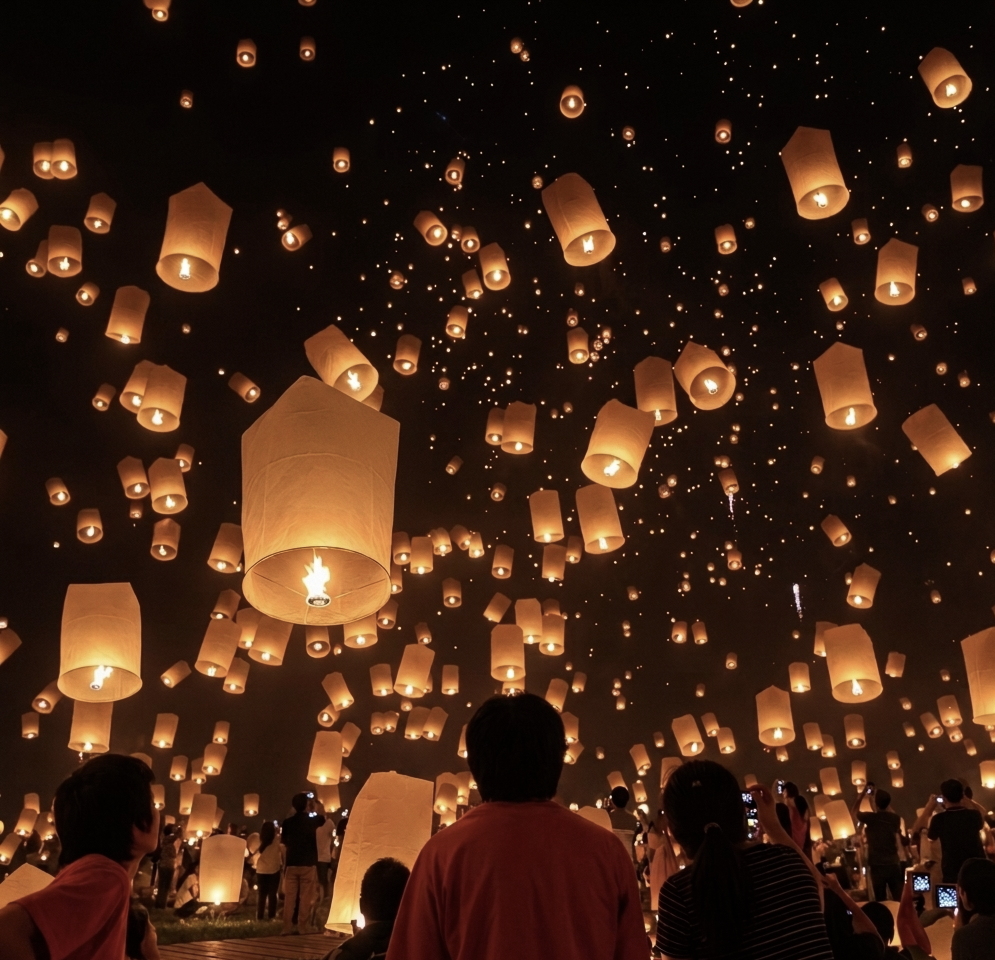 Yi Peng · ยี่เป็ง
"In the glow of Yi Peng, you realize that even the smallest flame can illuminate the vastness of the darkness."
At a Glance
North, Central, Isan, South — ten experiences spread across the full breadth of Thailand's cultural geography.
Cool season is golden for most experiences. Festival calendar peaks November through April. Isan rice harvest: November.
These aren't tourist shows. Every experience on this list is lived Thai culture — participation over observation.
Monk chats are free. Cooking classes run $30–50. Elephant sanctuaries top out around $80. Your money goes far.
The Experiences That Change You
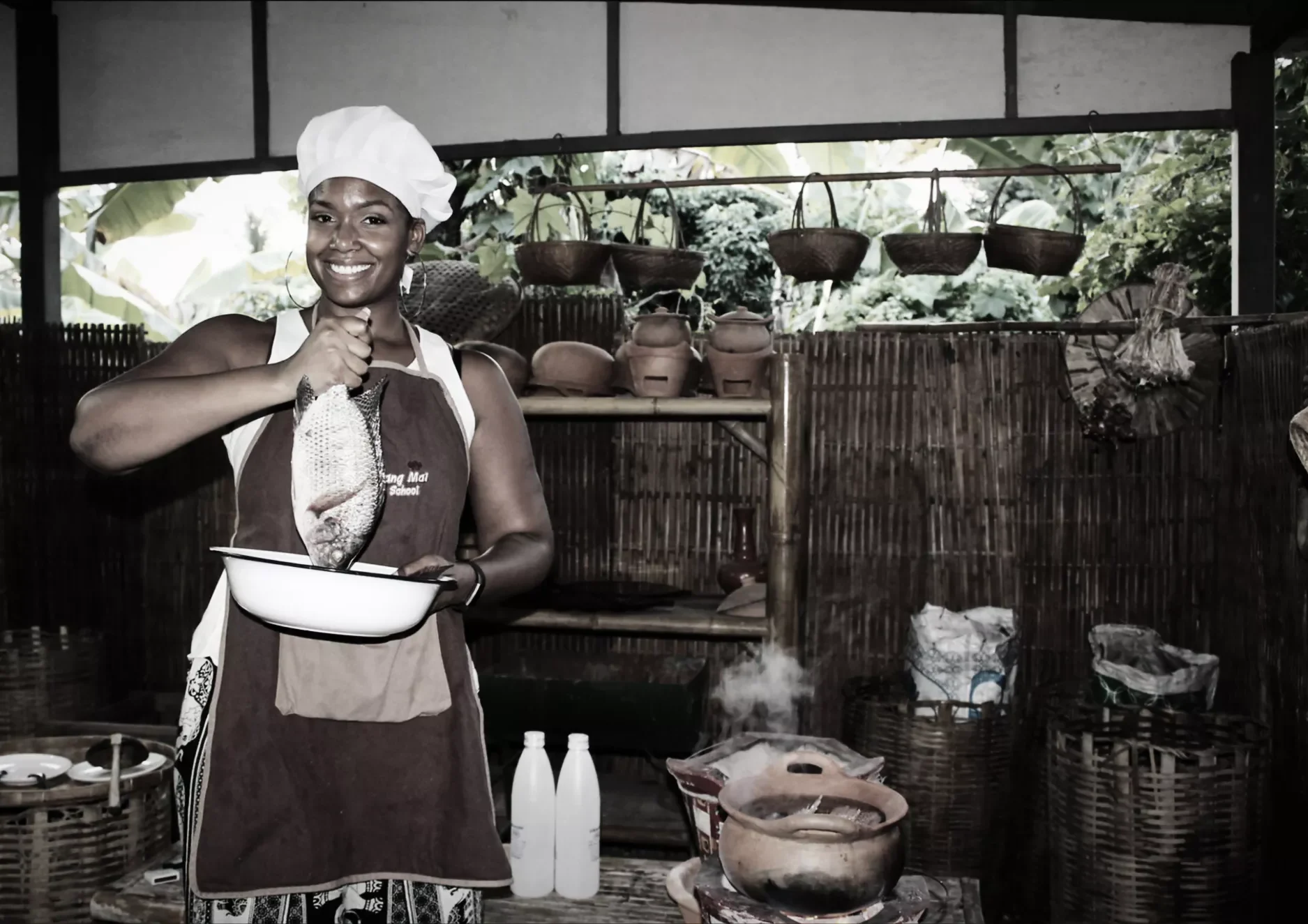
Picture this: You're standing in Chiang Mai's morning market at dawn, mist still clinging to the mountains, watching Khun Lyn — a chef with hands that have chopped more lemongrass than you've had hot dinners — select the perfect kaffir lime leaves. She crushes one under your nose and says, "Smell that? That's Northern Thailand waking up."
Northern Thai cuisine is like a symphony where every ingredient plays its part. Khao soi — that creamy, coconutty curry noodle soup that's basically a warm hug in a bowl. Sai oua, the herbaceous Northern sausage packed with lemongrass, galangal, and enough spice to make you reach for that second beer.
Here's what makes these classes legit: You actually cook. No demonstrations while you watch. You're pounding curry paste in a granite mortar (arm workout included), balancing palm sugar with tamarind until your pad thai hits that sweet-sour-savory jackpot, and learning why we always taste as we go.
Visit the market first (7–8am) — non-negotiable. Ask about Lanna influences. Request family recipes. Avoid tourist factory classes — if there are 20+ students, run. Authentic classes cap at 10 people max.
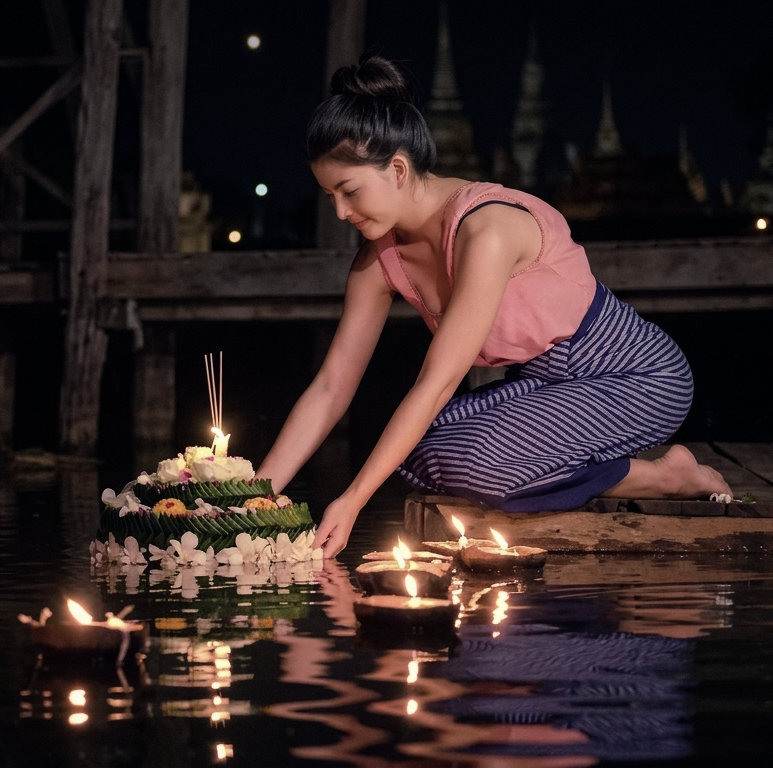
If Thailand had a moment that perfectly captures our soul — the blend of beauty, spirituality, and communal joy — it's Loy Krathong. November's full moon hangs like a lantern over rivers and lakes. You're holding a krathong — a small boat woven from banana leaves, topped with flowers, incense, and a flickering candle. You close your eyes, whisper your worries and grudges to the water, and release it into the current.
It's like our national therapy session, but make it gorgeous.
For real Loy Krathong magic, skip the tourist areas and head to local temples in residential neighborhoods. You'll float krathongs with Thai families, share khanom (sweets), and maybe get invited to someone's home for post-festival moo ping (grilled pork). That's the sanuk tourists miss.
Arrive 7–8pm. Respect the ritual — this isn't just pretty. Stay for community vibes after: luk thung music, street food, laughter.
Loy Krathong honors Phra Mae Khongkha (the water goddess) and apologizes for polluting rivers throughout the year. The krathong's design matters: the banana leaf base represents sustainability (we've been eco before it was cool), flowers symbolize beauty and impermanence, incense is for prayer, and candles light the path for spirits.
In Chiang Mai, it merges with Yi Peng, where thousands of khom loi (sky lanterns) rise simultaneously. Sukhothai's Historical Park hosts elaborate processions against ancient temple ruins. Tak Province floats connected banana-trunk "trains" that stretch across rivers. Same festival, entirely different Thailand.
"It's impossible to float a krathong, watch it drift into darkness, and not feel something shift inside you. That's the real magic."Thaitop · On Loy Krathong
Where Culture Lives
Not all elephant experiences in Thailand are created equal, and we Thais are finally, finally moving away from the exploitative stuff. Ethical elephant sanctuaries are where you'll find genuine connections with these gentle giants — no rides, no circus tricks, just bathing, feeding, and learning why elephants are woven into our cultural DNA like threads in Thai silk.
Elephants aren't just animals to us — they're spiritual symbols. Erawan, the three-headed elephant, carries the Hindu god Indra. White elephants are considered sacred, gifts to Thai royalty. Today, sanctuaries are rescuing elephants from tourism and logging industries, giving them retirement homes with dignity.
Spending a day with elephants at a sanctuary isn't just an experience — it's a lesson in compassion, a glimpse into Thai reverence for nature, and honestly? It might just change how you see the world.
No riding, period. No performances. Small groups max 10–20/day. Rescued elephants with transparent histories. Natural behavior encouraged — elephants roam freely. Book direct via sanctuary websites, not third-party tour operators.

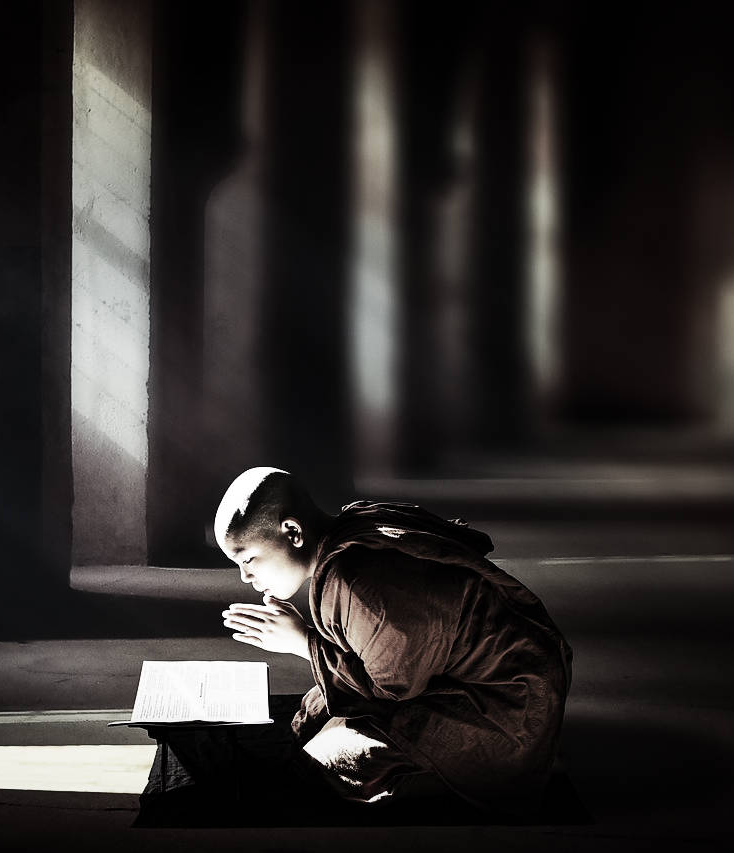
Ever wanted to ask a Buddhist monk about the meaning of life over iced tea? In Thailand, you can — and we call it a monk chat. No appointment, no formality (well, some formality — we're still Thai), just genuine conversations about dharma, meditation, impermanence, or why we're all stressing about things we can't control.
Phra Boonchai at Wat Suan Dok puts it beautifully: "Western minds seek answers. Buddhist minds seek understanding. Answers are fixed; understanding flows like the Mekong River. We're here to help you flow."
For deeper immersion, temple stays at Wat Pa Tam Wua in Mae Hong Son or Wat Suan Mokkh near Surat Thani offer multi-day retreats where you live as a temporary monk or nun. We're talking: 4am chanting, hours of meditation, simple vegetarian meals, and noble silence. Intense, humbling, life-altering.
Dress modestly. Women: maintain distance from monks — place offerings on a cloth, not directly. Bring questions on dharma, not dogma. Practice the wai properly — thumbs between eyebrows for monks. Donate if you can (50–100 baht). And please: don't flirt. Yes, this has happened.
Think Muay Thai is just punching and kicking? Oh, you sweet summer child. This ancient martial art — our "Art of Eight Limbs" (fists, elbows, knees, shins — we fight with everything) — is as much about discipline, respect, and spiritual fortitude as it is about devastating roundhouse kicks.
Authentic Muay Thai gyms aren't flashy. They're open-air, sweat-stained, and smell like Tiger Balm and dedication. You'll train alongside Thai fighters prepping for stadium bouts, not just tourists looking for a workout. And they'll push you. Hard.
P'Jai, a trainer with 100+ fights under his belt: "In Thailand, Muay Thai teaches ott toun and sabai jai — Resilience and peaceful heart. You learn to stay calm when someone's trying to kick your head off. That lesson? It translates to life."
Start with basics — don't jump into sparring day one. Respect the wai: bow entering and exiting the ring, never step over the ropes (duck under). Hydrate aggressively. Train for at least a week — one session is fun, a week lets you grasp the philosophy. Watch fights at Lumpinee or Rajadamnern stadiums in Bangkok.
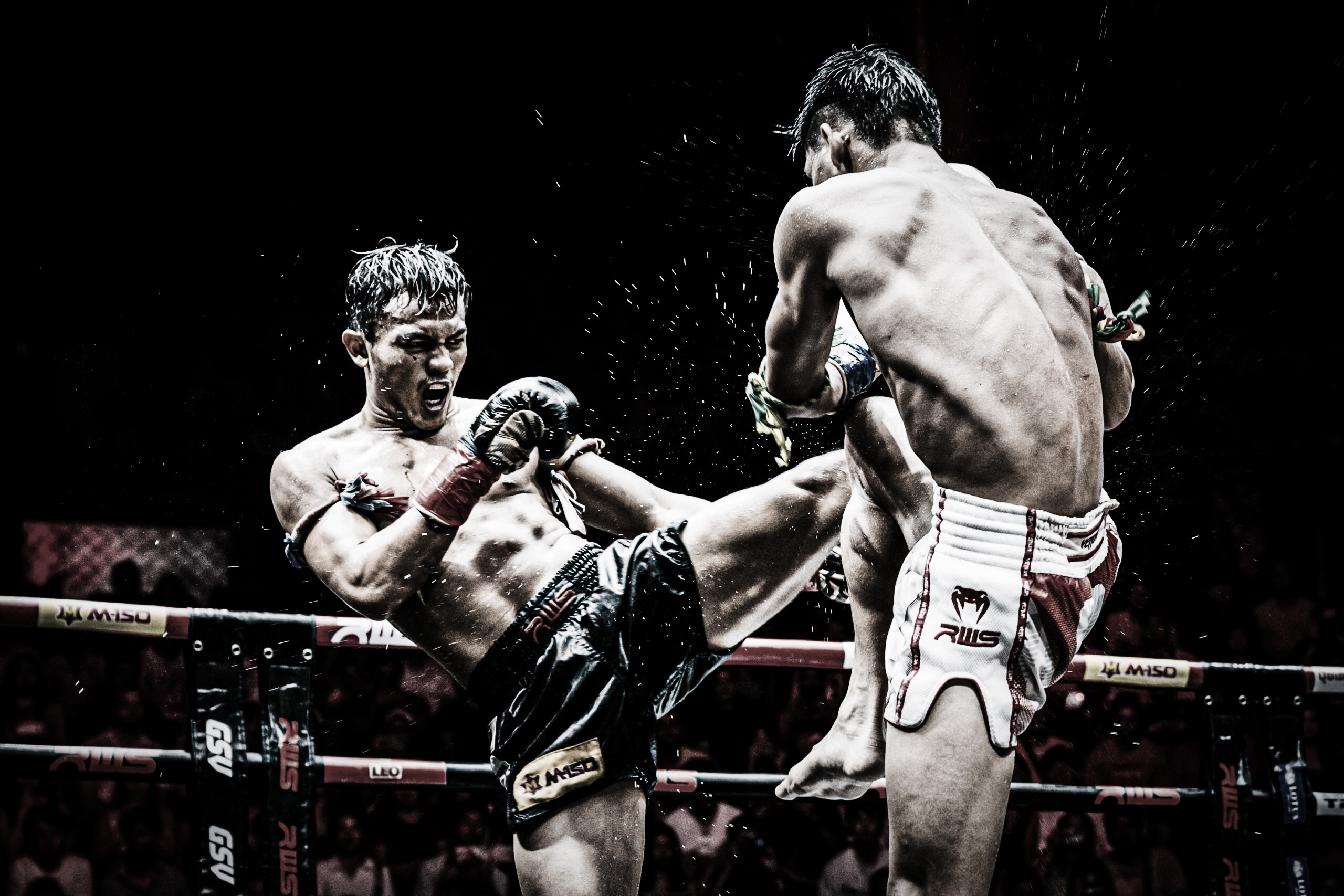
Before fights, Thai boxers perform the Wai Kru Ram Muay — a ritualized dance honoring teachers, parents, and the gym. Each gym has its own style, passed down through generations. It's spiritual armor before battle, and watching it gives chills every time.
Fighters also wear mongkol (sacred headbands blessed by monks) and pra jiad (armbands), believing these protect them in the ring. Muay Thai isn't just physical — it's metaphysical.
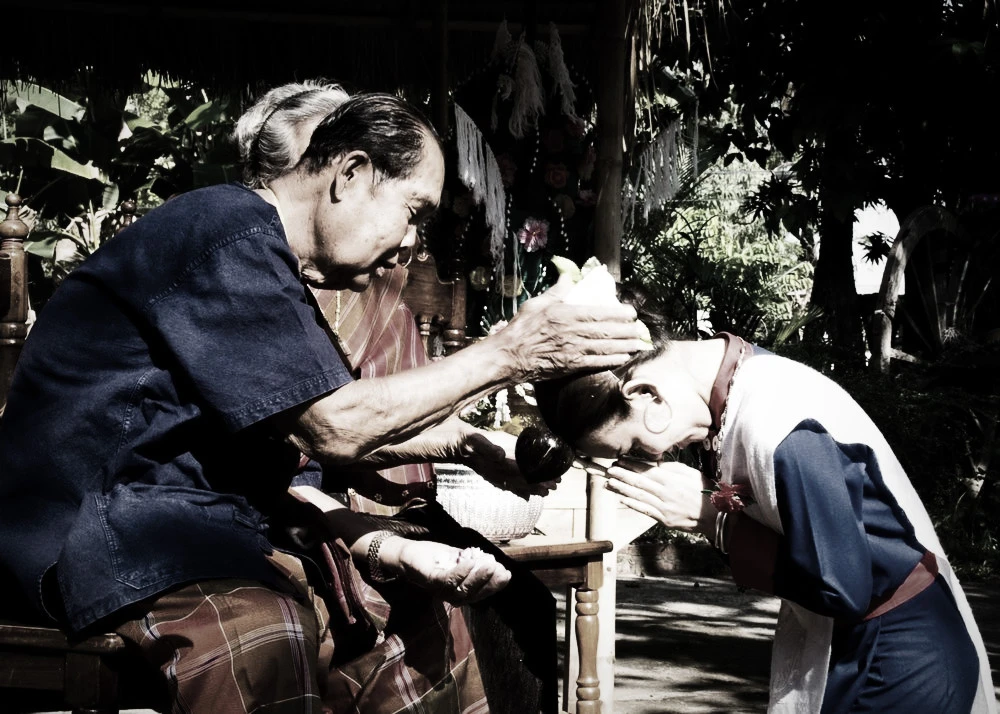 Chiang Mai · Song Kran Fesitval
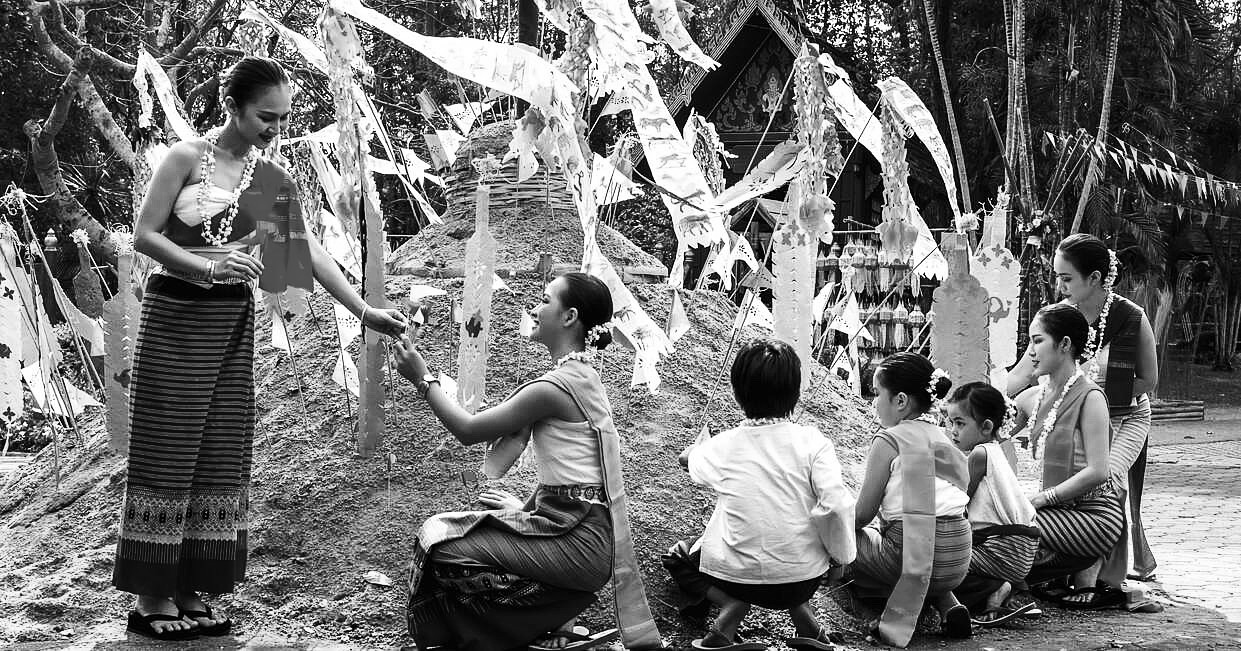 returning sand to the temple
The Art of Living Thai
Places like Bo Sang (the "Umbrella Village") near Chiang Mai aren't tourist traps — they're living museums where artisans still practice crafts passed down from grandparents, great-grandparents, and beyond. Hand-painted umbrellas, silk weaving, silverwork, and pottery made with techniques that predate Instagram by, oh, a few centuries.
Auntie Mali, a third-generation umbrella painter: "Every umbrella tells a story — niyai (legend), nature, or dreams. When you buy one, you're taking home not just an object but our family's chit jai (heartwork)."
Also worth your time: Ban Thawai (wood carving capital, 15km south of Chiang Mai), Dan Kwian (Nakhon Ratchasima — rust-colored pottery with unchanged centuries-old techniques), and Sankampaeng (silk, cotton, batik weaving).
Visit workshops, not just showrooms. Ask artisans about their craft — they love sharing. Buy directly from makers. Morning visits (8–11am) are best. Large pieces can be shipped internationally — better than cramming a 2-metre umbrella into your carry-on. (Personal experience. Don't ask.)
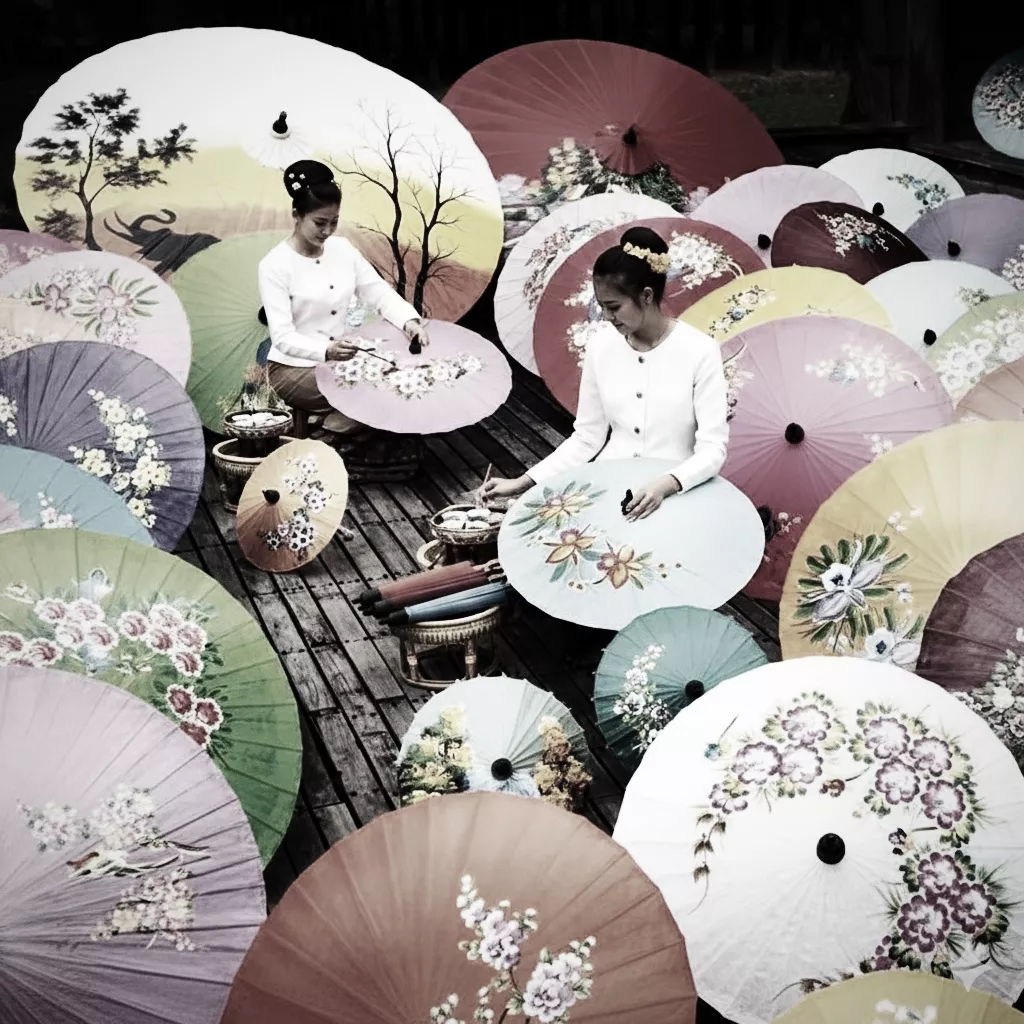
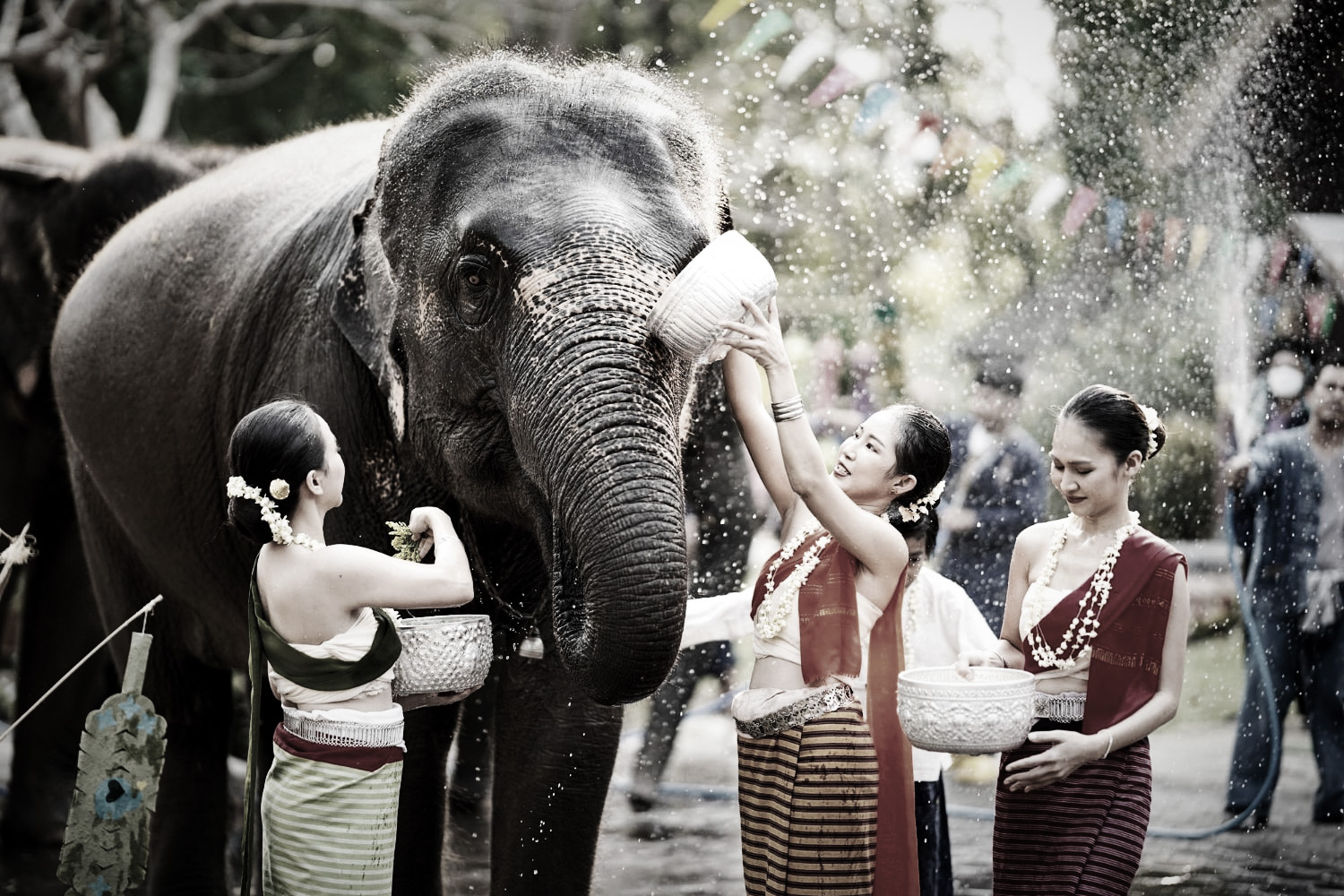
If you thought New Year's Eve was the ultimate global party, Songkran would like a word — preferably while dousing you with ice water from a Super Soaker. Thailand's traditional New Year (April 13–15), where the entire nation engages in the world's largest, most joyous water fight — all in the name of cleansing, renewal, and sanuk cranked to 11.
But here's the thing Western media misses: Songkran isn't just a water fight. It begins with merit-making at temples — pouring scented water over Buddha statues. Then comes Rod Nam Dum Hua — the "water pouring" ceremony where younger generations pour jasmine-scented water over elders' hands, asking for blessings. Then? Game on.
Waterproof phone case — non-negotiable. Quick-dry clothes. Respect the elders' pour — don't splash families doing Rod Nam Dum Hua. Waterproof sunscreen reapplied constantly (40°C+ in April). Don't drive if avoidable — Songkran has Thailand's highest accident rates. Jai yen (cool heart) at all times.
Traditional Thai massage (nuad phaen boran — "ancient-style massage") is not a spa day with cucumber slices and whale sounds. It's a 2,500-year-old healing art rooted in Ayurvedic medicine, Buddhist compassion, and the kind of deep-tissue work that'll make you question every life choice that led to your shoulders being concrete blocks.
Think of it as yoga for lazy people — except you're not doing the work; the therapist is stretching, pressing, and manipulating you into positions you didn't know you could achieve. Sen lines (energy pathways) get unblocked. Tension releases. Afterwards? You float.
Thai massage was developed by Jivaka Kumar Bhaccha, a physician to the Buddha. Monks historically practiced massage as medical care for communities — the connection to Buddhism, service, and compassion permeates every session. You're not just getting a massage; you're receiving a healing ritual.
Avoid tourist-strip parlors with neon signs. Legit places display certificates from Wat Pho or the Ministry of Health. If it hurts, say bao bao (gentle, gentle). Tip 50–100 baht at temple settings. This isn't sensual or sexual — it's therapeutic. Inappropriate behavior gets you kicked out (and you'll deserve it).
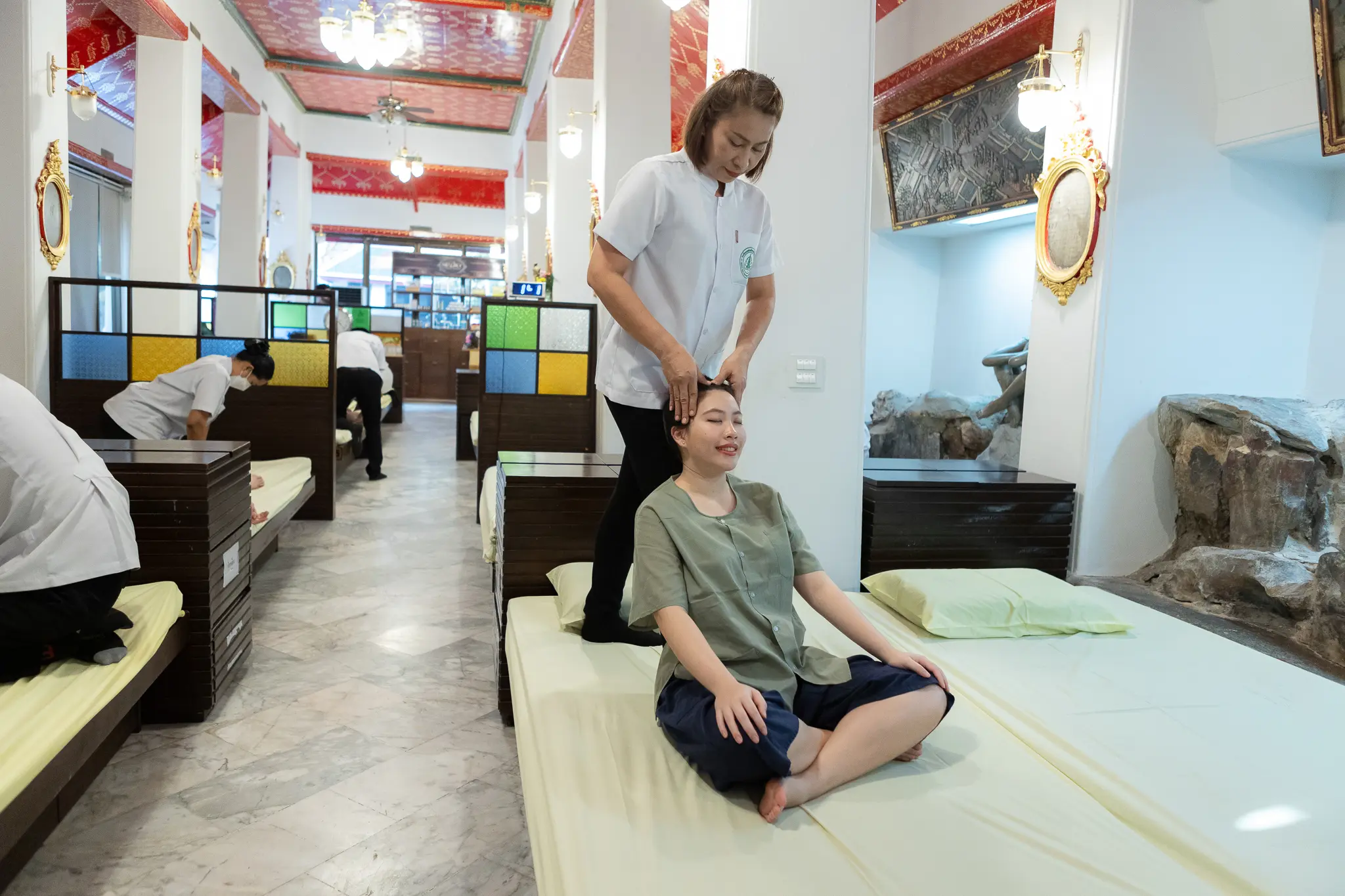
"After my first Wat Pho massage, I tried to stand and nearly collapsed — my legs were jelly, my mind was floating somewhere over the Chao Phraya River, and I felt lighter. The therapist smiled and said, Sabai mai? And I was. So, so sabai."Thaitop · On Traditional Thai Massage
Where Real Life Floats
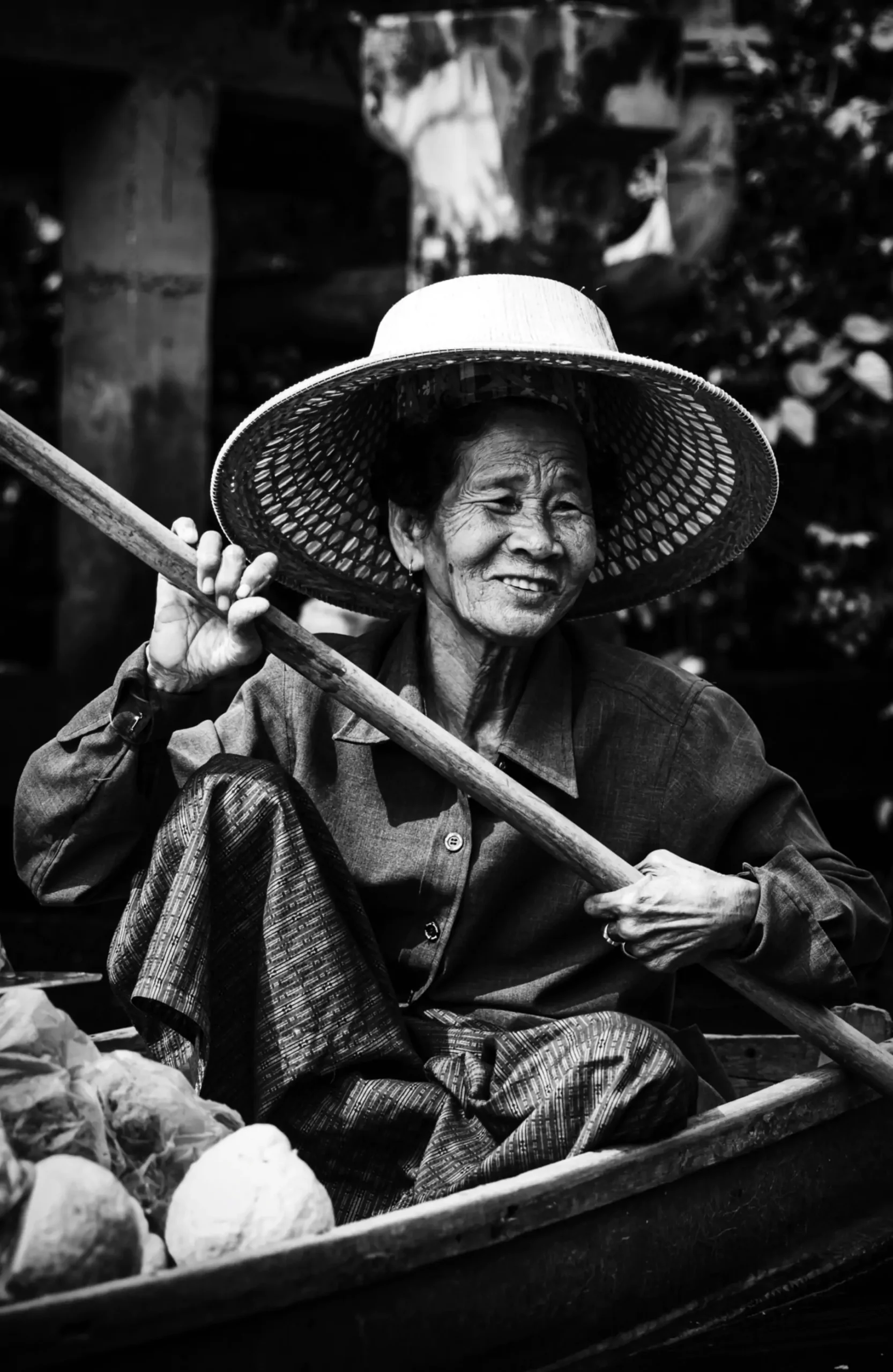
Picture this: gliding down a narrow canal (khlong) in a wooden long-tail boat at dawn, the water reflecting pastel skies, wooden houses on stilts lining the banks. Ahead — a floating marketplace where vendors in wide-brimmed ngop hats paddle boats loaded with mangoes, pad thai, coconut ice cream, and fresh flowers. The air smells like charcoal grills and jasmine.
This isn't a theme park. This is how Central Thailand lived for centuries — and in pockets, still does.
The Local Secret: Skip Damnoen Saduak (go early if you must — 6–7am before tour buses arrive). Instead, try Amphawa (Fri–Sun evenings, Bangkok locals' weekend choice) or Taling Chan (where Bangkok families go — karaoke stages, fruit boats, riverside foot massages, limited English from vendors, which is perfect).
Amphawa: arrive 4pm, catch vendors setting up (fewer crowds), eat dinner as the sun sets, then take the firefly boat tour. You'll cruise into darker canals where trees light up with fireflies. It's magical, like nature's own Christmas lights — but better, because no one's playing Mariah Carey on repeat.
Isan is Thailand's northeastern region — the country's beating heart, even if it doesn't get the beach resort hype. Earthy, unpretentious, fiercely proud, and home to one-third of Thailand's population. Rice fields stretching to the horizon. Grandmothers still weaving silk on centuries-old looms. Village festivals involving homemade rockets and ghost masks. Food so authentically spicy you'll finally understand why we Thais are obsessed with chili.
Isan families practice hospitality as religion. Even though many are rice farmers living simply — Isan is Thailand's poorest region economically, but richest in spirit (fight me) — they'll share their best food, give you their comfiest mat, and treat you like long-lost family. That's the Isan way.
Attitude matters more than itinerary. Show genuine curiosity. Learn basic Isan phrases (sabaai dee bor? = How are you?). Always wai elders first. Remove shoes before entering homes. Accept offered food graciously. Buy directly from artisans. Stay 2–3 days minimum — one day is rushed and slightly insulting.
Ban Chiang — Where Civilisation Started
5,000-year-old painted pottery, UNESCO World Heritage Site, and the living Tai Phuan ethnic community. Watch folk dances passed down for generations. Visit pottery workshops using ancient techniques. Ask elders about their migration from Laos centuries ago — the floodgates of stories will open.
Khemmarat — Mekong River Soul
Ancient community with vintage Lao-influenced architecture and deep river culture. Vintage walking street, hand-woven cotton, natural-dyed tie-dye, and a massive sand beach along the Mekong River. The soap made from local riverside plants is grandma's original sustainable beauty product.
Ban Sanuan — Khmer Soul in Isan
Still speak Khmer as a first language. Their silk — Pha Mai Hang Krarok (Squirrel Tail Silk) — is legendary, patterns taking months to complete. Ancient rice barns that have survived centuries. Ruam Troht blessing dance performances during Songkran.
Dan Kwian — Pottery Paradise
Over a hundred years of pottery wisdom. Clay unique to this village produces that distinctive reddish-brown colour that can't be replicated anywhere else. 70+ family shops at Lan Dan Kwian Handicraft Center — same quality as Bangkok boutiques, fraction of the price, money going directly to families.
Why Visit Isan Now
Isan is changing fast. Young people are migrating to Bangkok for work. Traditional crafts risk dying out. Villages age as the next generation leaves. Community-Based Tourism programs — supported by TAT and local NGOs — offer hope, providing income that gives younger generations reasons to stay and preserve what matters.
When you visit Isan communities, you're not just sightseeing. You're casting a vote. You're saying: this culture matters. These skills matter. These people matter.
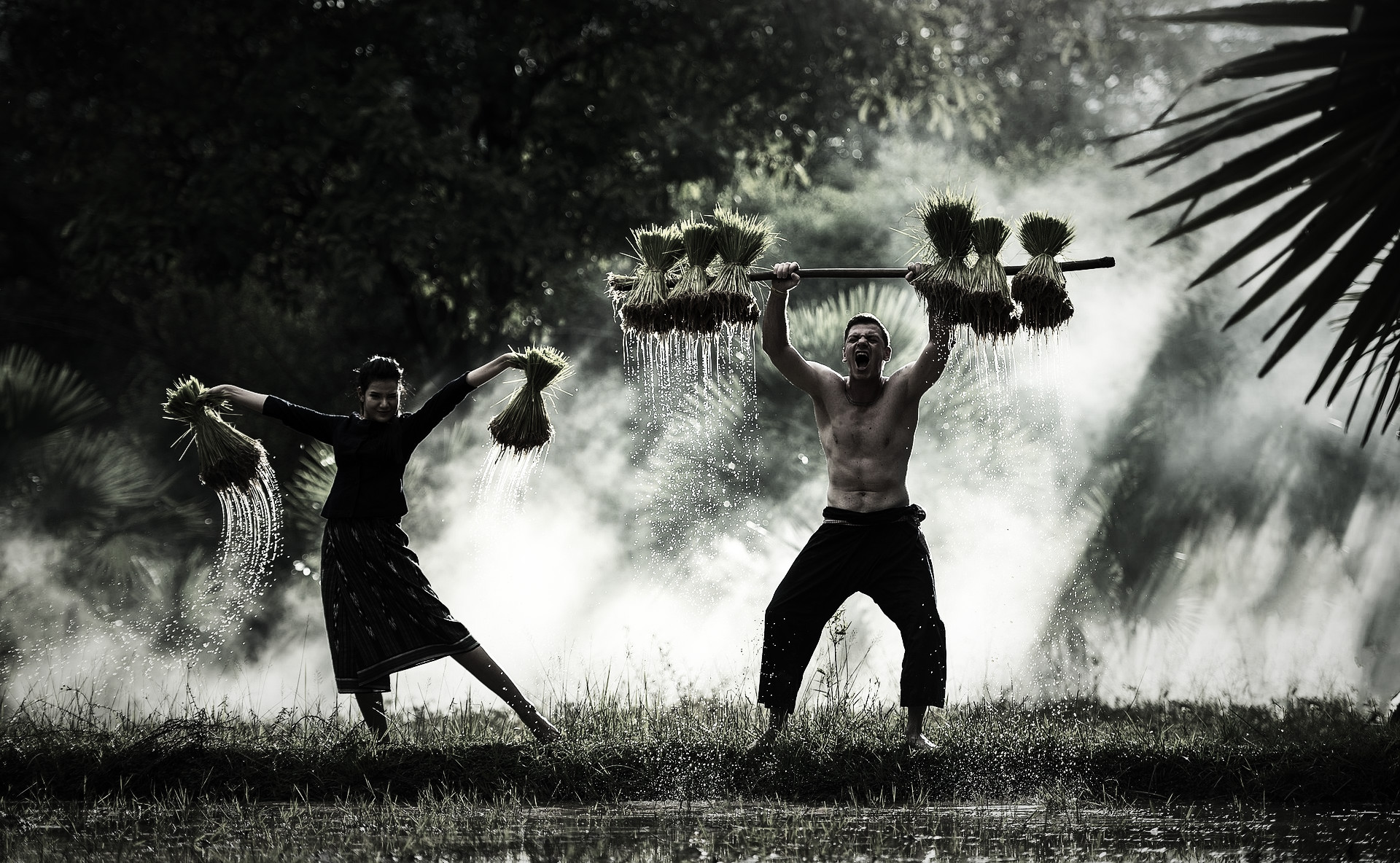
- Rice farming culture — visit during planting (June–July) or harvest (November–December) and watch communities come alive, singing work songs, sharing lao khao during breaks.
- Silk weaving — mudmee silk with natural indigo, tamarind, and turmeric dyes. Watch meditation in motion.
- Bun Bang Fai (Rocket Festival, May) — homemade rockets, competitive chaos, lao khao, dancing, ancient rain ritual.
- Phi Ta Khon (Ghost Festival) — Dan Sai, Loei Province. Elaborate ghost masks, part Buddhist, part animist, 100% surreal.
Cultural Experiences Compared
Mix and match like a Thai buffet — take what excites you, leave what doesn't, and remember: there's no wrong way to explore (except disrespecting monks or riding elephants — those are wrong).
| Experience | Region | Best Time | Cost (USD) | Immersion | Physical | Best For |
|---|---|---|---|---|---|---|
| Cooking Class | North — Chiang Mai | Year-round | $30–50 | High | Low | Foodies, hands-on learners, anyone who eats |
| Loy Krathong | Nationwide | November 24 | $10–20 | Medium–High | Low | Photographers, spirituality seekers, romantics |
| Elephant Sanctuary | North / Central | Year-round | $50–80 | High | Medium | Animal lovers, ethical tourists, families |
| Monk Chat | North / Central | Year-round | Free | Medium | Low | Spiritual seekers, philosophy nerds, curious minds |
| Muay Thai Training | Central / South | Year-round | $20–40/session | Medium–High | High | Fitness enthusiasts, martial artists, challenge-seekers |
| Handicraft Villages | North — Bo Sang | Cool season best | $5–500 | Medium | Low | Art lovers, shoppers, culture enthusiasts |
| Songkran Festival | Nationwide | April 13–15 | Free | High | Medium | Party people, families, anyone who loves joyful chaos |
| Thai Massage | Bangkok / Chiang Mai | Year-round | $10–100 | Medium | Low | Wellness seekers, sore travelers, honestly everyone |
| Floating Markets | Central — Bangkok | Year-round weekends | $5–20 | Medium | Low | Photographers, foodies, early risers |
| Isaan Homestay | Northeast Isan | Nov–Feb · Jun–Jul | $15–30/night | Very High | Medium–High | Adventurers, culture deep-divers, off-beaten-path lovers |
Short on time? Cooking class + Wat Pho massage + floating market = 3 days, maximum culture. You'll leave knowing something real.
Seeking spiritual depth? Monk chat + temple stay + Loy Krathong = transformative. Budget traveler? Add Isan homestay — authentic and affordable.
Adrenaline junkie? Muay Thai + Songkran + Isan homestay harvest work = intense. Family with kids? Elephant sanctuary + cooking class + Songkran (older kids) = everyone engaged.
Your Questions, Answered
Authentic Thai cultural experiences are immersive activities that connect you with Thailand's living traditions, led by locals and rooted in genuine practice — not performances for tourists. Think: learning to cook khao soi from a Chiang Mai grandmother in her kitchen. Floating a krathong alongside Thai families during Loy Krathong while whispering wishes to the moon. Bathing elephants at ethical sanctuaries where rescued animals roam freely.
These experiences prioritize participation over observation, cultural context over Instagram moments, and mutual respect over transactions. You're not just seeing Thailand — you're living it, even if just for an afternoon. That's the difference between a trip you forget in six months and one that changes how you see the world.
- Songkran (Thai New Year): April 13–15, 2026 — the epic water fight / spiritual renewal. Chiang Mai for maximum chaos, Ayutthaya for historic beauty, Isan for tradition.
- Loy Krathong & Yi Peng: November 16, 2026 (full moon of the 12th lunar month) — floating lanterns, water krathongs, Chiang Mai's Yi Peng is the bucket list moment.
- Bun Bang Fai (Rocket Festival): May 2026 — homemade rockets launched to ask for rain. Yasothon Province goes hardest.
- Phi Ta Khon (Ghost Festival): June–July 2026 — Dan Sai, Loei Province. Surreal ghost masks, dancing, spirit appeasement.
- Vegetarian Festival (Phuket): October 2026 — nine days of plant-based eating, street processions, and graphic body-piercing rituals by devotees. Not for the faint-hearted, but culturally fascinating.
Green Flags (Book These): No riding, no tricks, no performances. Rescue stories are transparent. Small visitor groups (max 10–20/day). Mahout welfare prioritized. Educational focus — you learn, not just selfie.
Ethical experiences cost more ($50–80 vs $20 for exploitative rides) because you're funding rescue operations, veterinary care, and land. It's worth every baht. Your money literally saves lives.
Verified Sanctuaries:
- Elephant Nature Park, Chiang Mai — the gold standard
- Boon Lott's Elephant Sanctuary (BLES), Sukhothai
- Wildlife Friends Foundation Thailand (WFFT), Petchaburi
- Elephant Hills, Khao Sok — rainforest conservation focus
Absolutely. We Thais are obsessed with families — multi-generational gatherings are our default mode. Most cultural experiences welcome kids, and Thai locals will spoil your children rotten (expect random grandmothers offering snacks and cheek-pinching).
Best for Families
- Cooking classes — kids love pounding curry paste
- Elephant sanctuaries — educational and kids connect beautifully
- Floating markets — sensory overload in the best way
- Songkran — older kids (8+) will have a blast
- Handicraft villages — try painting, shaping clay
Thai Parent Tip
Thais are incredibly accommodating with children. Don't stress about crying babies in restaurants or temples — we're used to it and generally help rather than judge. Just teach kids basic respect (wai, remove shoes, gentle voices in temples), and you're golden.
Ready For Your Next Move?
These aren't bucket-list checkboxes. They're open doors into our real lives, traditions, and soul. Whether you're learning Muay Thai from a village master, crowding a grandmother's kitchen for the perfect som tam, or wandering Isan silk-weaving communities — you're not just visiting. You're becoming part of the story.
Ditch the conveyor-belt tours. Choose the ones that plug you straight into Thai lives, put money in local pockets, and leave you understanding why we're so damn proud.